There is something quietly devastating about the image of Prince Harry and Meghan Markle, faces hidden behind apocalypse-costume latex, stealing one last ordinary night before the world claimed them. It is not the spectacle that lingers, but the restraint. In 2016, before the titles, before the court cases, before the global scrutiny that would reshape their every move, they understood exactly what they were losing. That Halloween party at Soho House Toronto was not a frivolous detour; it was a conscious farewell to anonymity, and the tenderness of that awareness is what makes the story linger. As The Calendar's Gravity May Quietly Steer the Royal Rift reminds us, time and its markers have a way of exposing what we are willing to protect. For Harry and Meghan, that night was the last moment they could choose invisibility, and they chose it with intention.
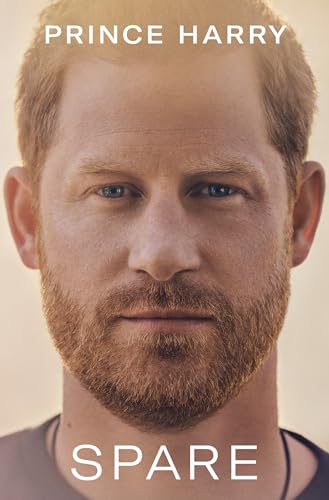
What strikes us most is not the romance of the disguise, but the emotional clarity it reveals. Prince Harry borrowed a Mad Max costume that covered his face completely, and Meghan walked through the crowd in her own post-apocalyptic getup, aware that people did double takes but never looked twice at her dystopian date. They were not hiding from each other; they were hiding from a future they could already feel closing in. There is a particular kind of strength in knowing a threshold is about to be crossed and deciding to stand still on this side of it for one more hour. The party was loud, dark, drunk, ideal, Harry wrote in *Spare*, and we believe him. That word, ideal, carries the weight of someone who understood that this was the last time a crowded room would feel safe. It is a feeling that echoes in Meghan Markle Reflects on the Meaning in Her Return to the UK, where meaning is found not in the scale of the moment, but in its quiet gravity.
For our readers, this story is not merely a footnote in royal biography. It is a lesson in how to hold a boundary before it is taken from you. The costumes were not just fun; they were a final act of self-possession. Meghan later recalled that the four of them, Harry, herself, Princess Eugenie, and Jack Brooksbank, snuck out to have one fun night on the town before it was out in the world that they were a couple. The phrasing matters: *before it was out in the world*. They did not control the timing of the disclosure, but they controlled that night. They pulled the pin on the fun grenade, as the palace communications secretary put it, only after they had already tasted the freedom they were about to lose. Compare that to the quiet composure of Sarah Ferguson Returns with Quiet Composure After Months Away, and you see a pattern among women in the royal orbit: the ones who survive the spotlight are the ones who know when to step out of it.
The specific detail to watch is not the costume or the party, but what Harry said next. *If that's the Apocalypse, I thought, bring on the end of the world.* He was not being dramatic. He was recognizing that the apocalypse he feared, the loss of private life, had already arrived in that dark room, and it looked exactly like a night of freedom. The question their story leaves us with is not whether fame is worth the cost, but whether we, in our own lives, are willing to take the one night we have left before everything changes. The answer, for them, was yes. The question for the rest of us is whether we would know it when we see it.