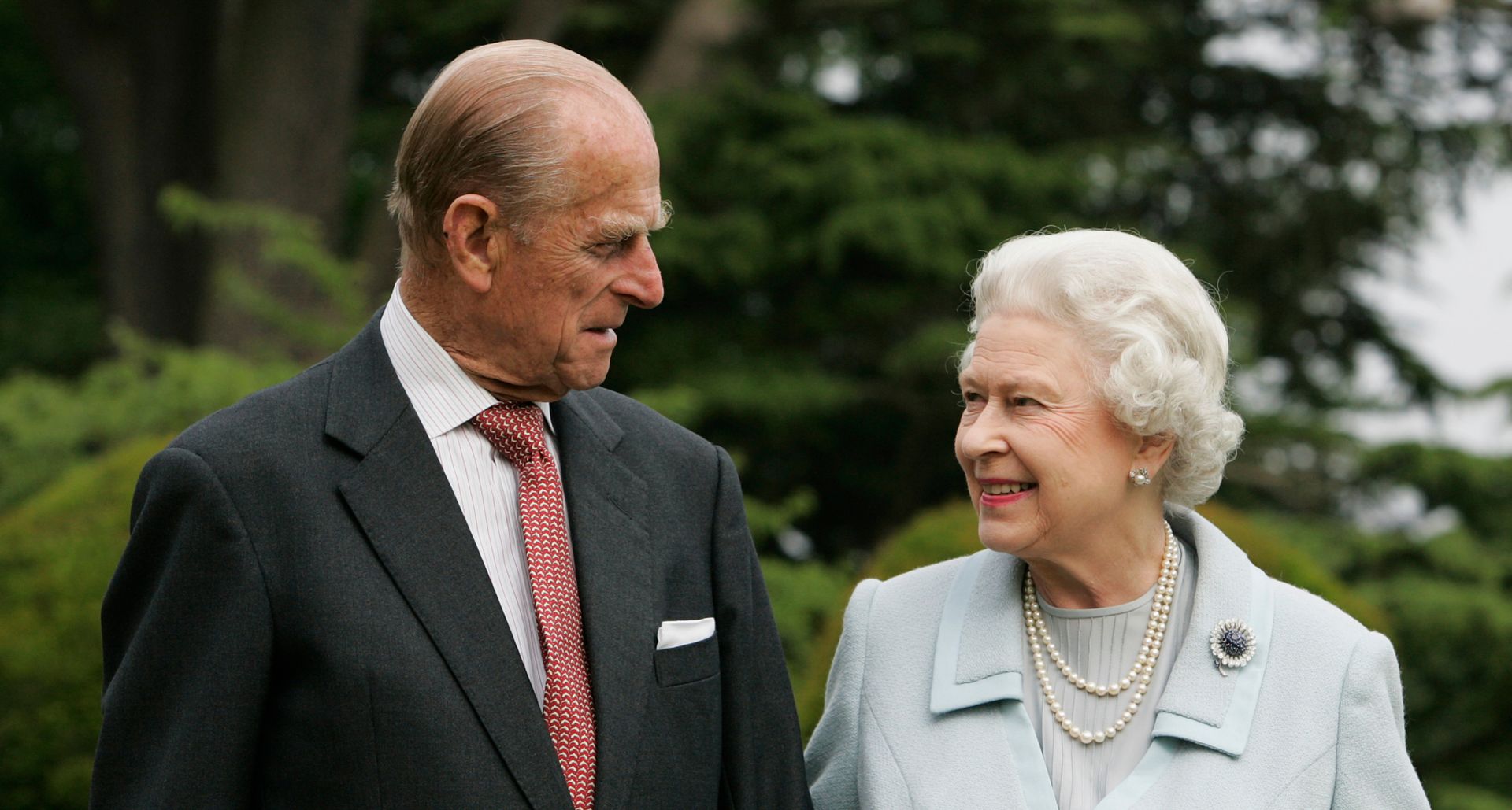
There is something quietly moving about seeing a father's influence ripple through a son's life, especially when that influence is rooted in a shared curiosity for the land. The revelation from former royal chef Darren McGrady that King Charles's deep engagement with food, foraging, and sustainable farming is a direct inheritance from Prince Philip reframes how we understand the King's public passions. It was never just a monarch's hobby; it was a private, generational conversation about respect for what the earth provides. This feels particularly resonant alongside the recent portrait of the royal in *Country Life*, which captured A Royal Portrait Rooted in Countryside Elegance and Quiet Grace, an image that ties the present sovereign back to a family moment steeped in that same rural sincerity. And when we consider the young future King, Prince George, already quietly mastering a skill inherited from his grandfather, as detailed in At 13, the Future King Quietly Masters a Skill Inherited from Philip, the pattern becomes clear: this is a family that passes down its ethos through action, not announcement.
What strikes us most in McGrady's account is the contrast between the late Queen and her husband. While Queen Elizabeth was content with her jam pennies and nursery foods, a charmingly unpretentious preference for the comforts of childhood, Prince Philip was the one who wanted to know what was ready in the garden, what venison had arrived, what squash could be used. He was the master of the kitchen, not in the sense of cooking, but in the sense of stewardship. He understood that food was not merely fuel or even pleasure, but a connection to the estate's rhythm. King Charles has taken that philosophy and elevated it into a public mission for organic farming and biodiversity. It is a beautiful example of how a quiet, hands-on interest can evolve into a purposeful legacy. Unlike the Queen, who was famously uninterested in culinary detail, Charles seems to carry his father's inquisitiveness into every meal and every policy.
For our readers, this story offers a practical lesson in inheritance. We often think of legacy in terms of titles, wealth, or public achievements. But the most enduring gifts are often the subtle ones: a way of looking at the world, a habit of asking the right questions, a reverence for the natural cycle. Prince Philip did not need to write a manifesto on sustainable living; he simply asked the chef what was in the garden. That simple act of presence and curiosity planted a seed that his son has now cultivated into a defining aspect of his reign. It is a reminder that the most powerful influence we can have on the next generation is not what we tell them, but how we choose to live each day. The specific takeaway here is clear: watch what the King chooses to prioritize in his private moments, because that is where his father's true inheritance lives, not in the formal ceremonies, but in the quiet, intentional attention to the land that feeds his table.