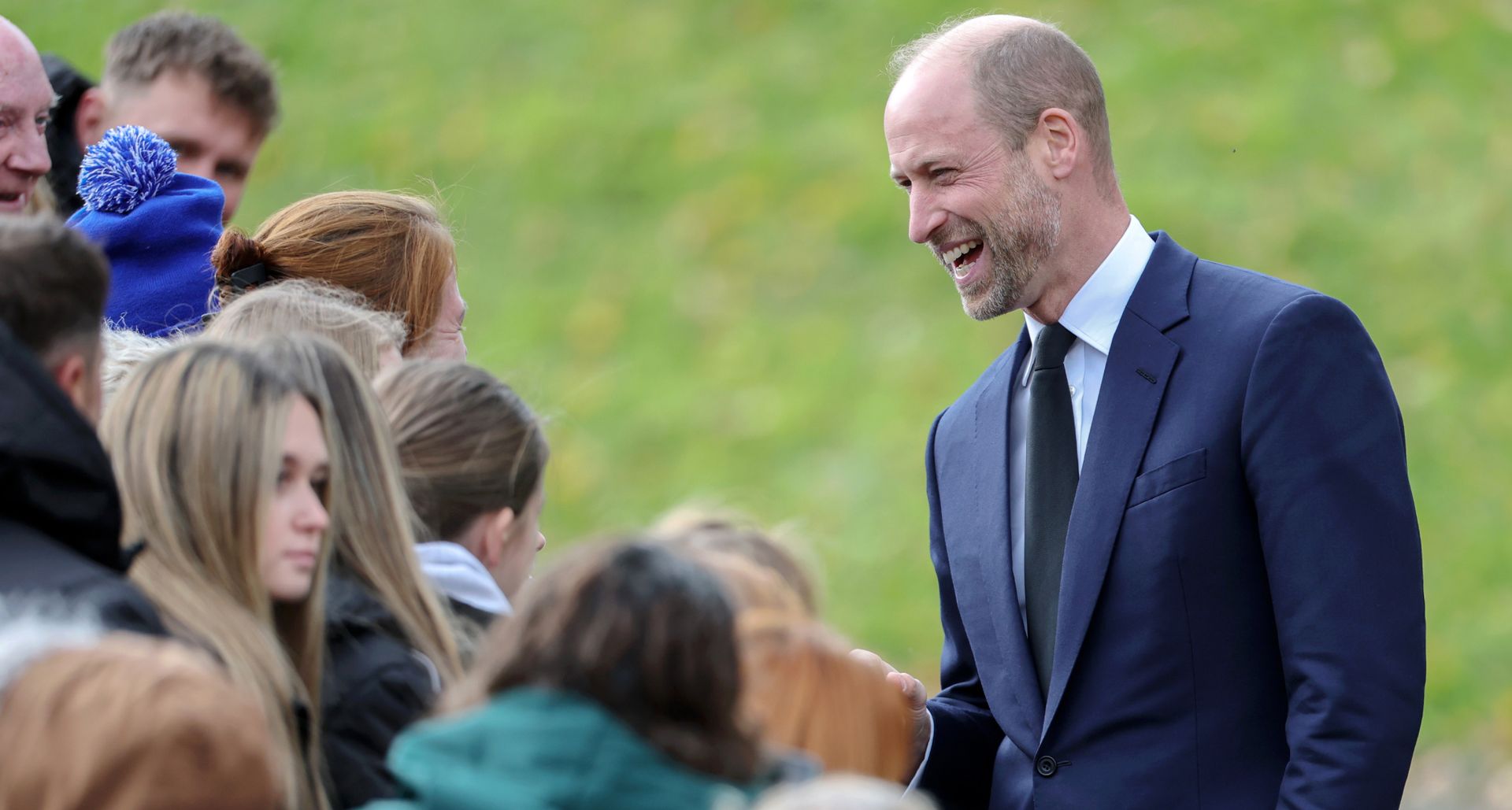
There is something quietly masterful about the way Prince William handled that moment in Aberfan, and it speaks to a kind of presence that cannot be taught. The video shows him laughing warmly, calling the woman's earmuffs the warmest in Wales, and gently steering toward an exit while never making her feel rushed. He said, "I feel my father's long gone," and still she kept talking. He did not stiffen or glance away. He stayed warm, gave her his full attention for as long as he could, and then moved on with a warmth that left her speaking of it for years. That is not mere politeness. That is a quiet command of the moment, the same quiet command we see in the way The Quiet Uniform: Europe's Most Refined Fall Wardrobes suggests a wardrobe built on restraint rather than noise, or in how As Ever Brings Joy to the Family Table frames a product not as a necessity but as a quiet extension of warmth. The throughline is intention.
What strikes me most is what this reveals about presence. Princess Catherine is often the one who lingers, teased by her family for her long conversations, and here Prince William was the one who had to gently step away without a partner to play the role of the timekeeper. He did not rush her. He did not make her feel like a nuisance. Instead, he matched her energy for as long as he could, then signaled the end with a warm handshake and a warm goodbye. That is not a performance of duty. That is the practice of being fully present even when your schedule is pulling you elsewhere. It is the difference between performing politeness and actually respecting the person in front of you. And it matters, because these moments are the ones people remember. They do not remember the formal speeches. They remember the woman who felt seen for three minutes on a cold Welsh morning.
There is a practical lesson here for anyone who moves through the world with any kind of public or professional presence. The way you exit a conversation is just as important as the way you enter it. The woman who kept talking was not rude; she was simply delighted, and the Prince understood that his role in that moment was not to correct her timing but to meet her joy with his own. He gave her the gift of a moment that was entirely hers, and then he moved on. That is the difference between someone who commands respect and someone who demands it. One creates a memory. The other creates a transaction. And if we look at Kate Middleton welcomes school break with George and his siblings at home, we see the same quiet rhythm at work: the rhythm of knowing when to be present and when to step away, even when the world is watching.
The question I keep returning to is not whether he handled it well, that is settled. The question is what this says about the kind of presence we are all trying to cultivate. We live in a culture that rewards interruption, that treats brevity as efficiency and warmth as a liability. What Prince William demonstrated, without a single dramatic gesture, is that the most commanding people are often the ones who do not need to rush. They trust their timing. They trust their warmth. And they know that a handshake and a genuine laugh can carry more weight than any perfectly rehearsed exit. That is something worth carrying into the next conversation you have, whether it lasts three minutes or twenty.