Put Away Your Tiny Summer Bag—These 5 Fall Trends Are Taking Its Place
Our take
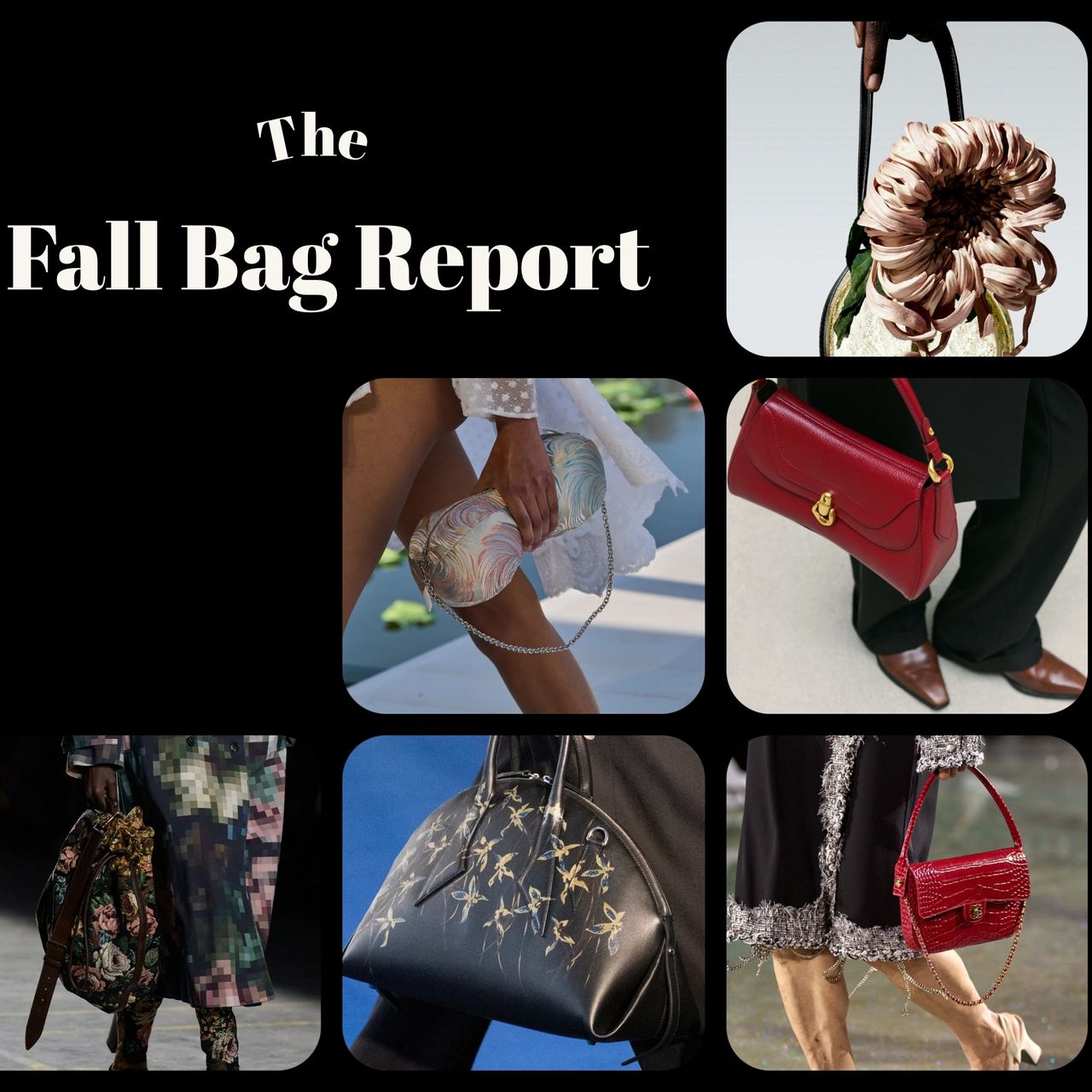
The cyclical nature of fashion often feels like a frantic chase after the new, but this shift away from the micro-bag towards larger, more substantial silhouettes signals something deeper than just seasonal change. It’s a subtle recalibration, a move away from the relentless pursuit of minimalism for its own sake, and a quiet embrace of presence. We’ve seen echoes of this sentiment in recent styling choices, like Kaia Gerber’s sophisticated take on a classic white ensemble Kaia Gerber's White Two-Piece Set Is a Fresh Take on Her Signature Red Carpet Look, demonstrating a preference for timeless elegance over fleeting trends. The article’s focus on supple leather, visible hardware, and a general sense of “more presence” isn't just about handbags; it’s about a broader aesthetic shift toward pieces that feel considered, substantial, and imbued with a sense of lasting quality. The fleeting trend of the tiny pouch, while undeniably charming, ultimately felt more like an accessory to a hyper-curated, often performative, lifestyle.
This isn't to say that smaller bags have vanished entirely; they’ll undoubtedly persist as evening options or for moments requiring extreme streamlining. However, the move towards larger bags reflects a desire for functionality and a rejection of the constant pressure to minimize. The article's observation that the tiny pouch replaces the "mom tote" is particularly astute. It acknowledges a practical need, but reframes it through a lens of style. We're moving beyond the idea that practicality and elegance are mutually exclusive. The implied shift also speaks to a broader societal fatigue with the constant curation of a perfectly minimalist existence, particularly as reflected in the ongoing embrace of richer textures and deeper colors, as seen in H&M's early embrace of autumnal tones H&M Is Already In Autumn Mode And So Am I—17 Rich-Looking Pieces That Won't Wait Around. The focus on supple leather and visible hardware also points to a renewed appreciation for craftsmanship and detail – a quiet luxury that prioritizes quality over overt branding.
The significance of this development lies in its potential to reshape how we approach our personal style. It suggests a move away from the transient nature of fast fashion and towards a more intentional and enduring aesthetic. The focus on “presence” implies a desire for pieces that tell a story, that feel lived-in and cherished, rather than disposable and trendy. This aligns perfectly with the growing consumer interest in sustainable and ethically produced goods, as individuals begin to prioritize longevity and quality over fleeting trends. It’s a rejection of the “look at me” mentality in favor of a more self-assured and grounded style. Even the consideration of how to transition summer pieces into autumn, maintaining an air of chicness I Want to Look Chic, Even in the Rain—5 Elegant Summer Outfits To Wear Into Autumn, underscores this desire for versatility and timelessness.
Ultimately, this shift in handbag trends reflects a larger cultural conversation about identity and self-expression. It's a quiet rebellion against the constant pressure to conform to fleeting trends, and an embrace of a more authentic and grounded style. The question now becomes: how will this aesthetic evolution manifest in other areas of fashion and lifestyle? Will we see a broader move towards more substantial and enduring pieces across all categories, or will this remain confined to the realm of accessories? It will be fascinating to observe how this trend of "presence" continues to shape the landscape of modern style, and whether it signals a permanent departure from the era of ultra-minimalism.
Spring and summer tend to be about taking things off: coats, knits, extra layers, and, sometimes, the very large handbag you spent all winter carrying around. Your silly little pouch steps in as the seasonal replacement for the giant mom tote, holding only what is absolutely necessary and asking very little of the rest of the outfit. Fall, on the other hand, is when you’re happy to add the bag back in.
That doesn’t mean bogging yourself down with something ridiculously capacious. The appeal is more about the richness handbags bring to autumn dressing: suede, supple leather, substantial hardware, visible zippers, and shapes that feel almost as considered as the clothes themselves. There are a few new iterations in the mix, but Fall 2026 is mostly about changing the way we style and carry the bags we've revisited in years past.
A handbag can be just as important to an outfit as a sweater draped over the shoulders or a great coat. This season, bags are carried in the hand, left slightly unzipped, tucked under the arm, and treated as part of the styling rather than an afterthought.
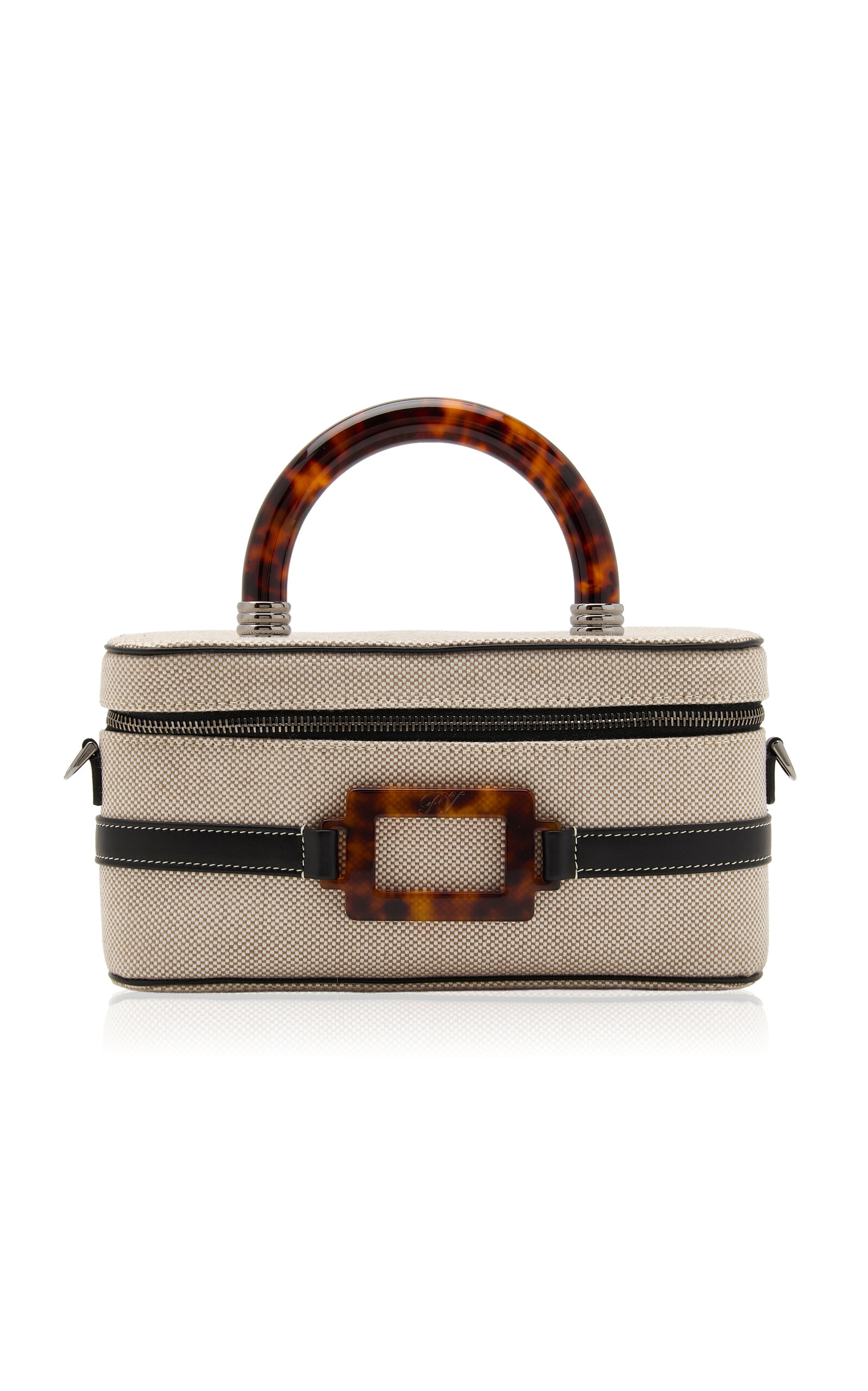
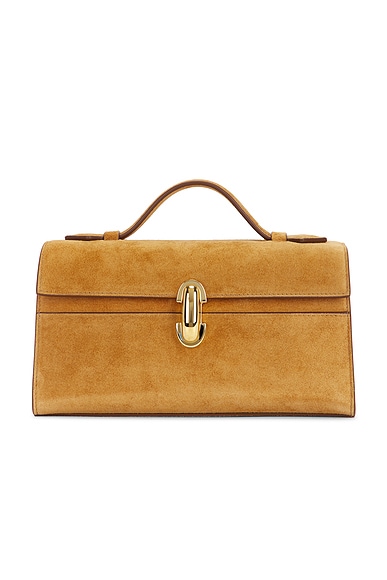
The Return of the Top Handle
A few seasons ago, the fashion crowd traded practical handbags for very, very large clutches—the kind Bottega Veneta made look impossibly chic tucked into the crook of an arm or balanced under an armpit. The effect was fantastic. The logistics were less so. No handle meant committing one entire limb to the bag for the foreseeable future, which is not particularly realistic if you also need to hold a coffee, check your phone, or open a door.
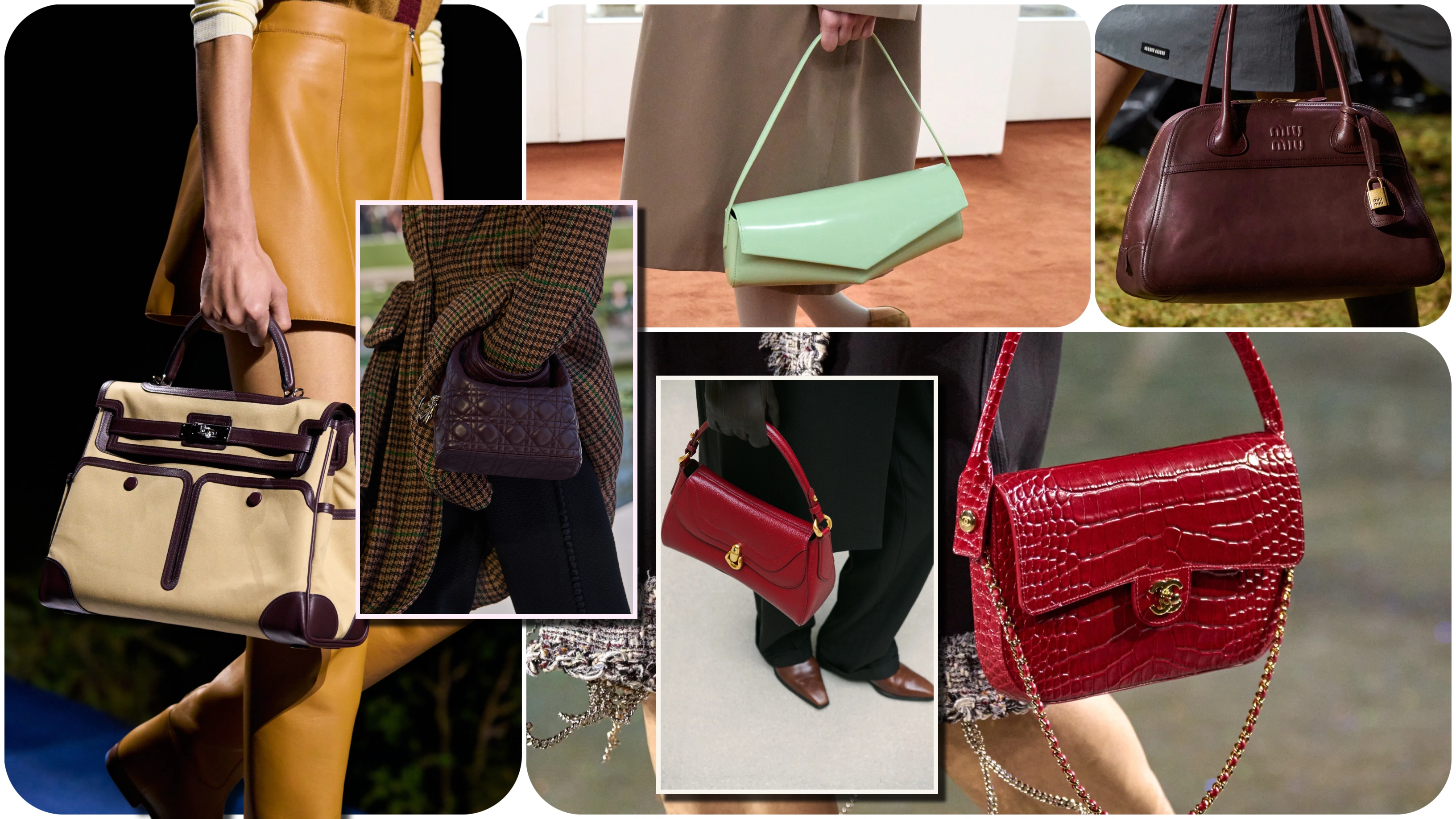
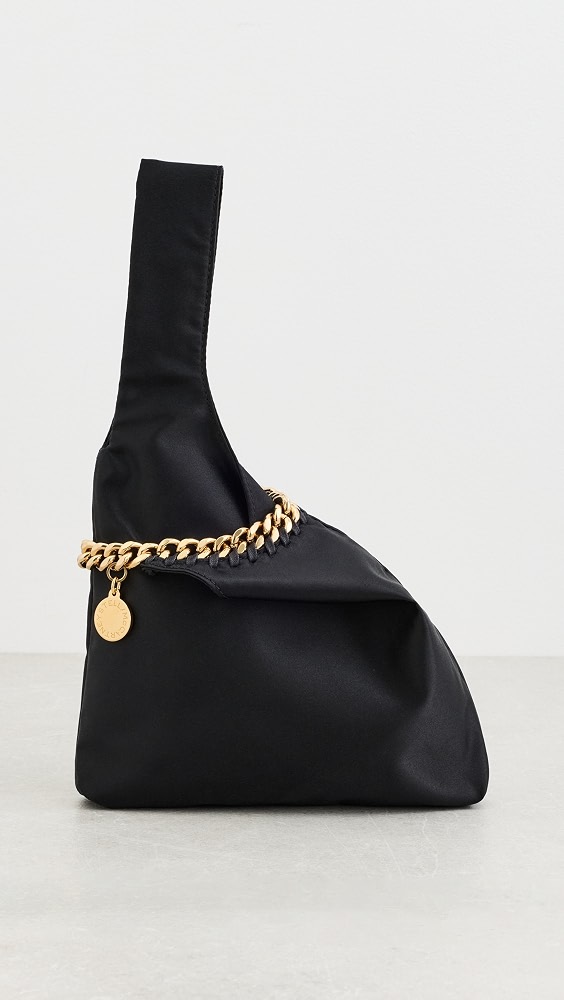
The top-handle bag offers a more reasonable middle ground. It has the intentional, dressed-up feeling of a clutch without requiring quite so much physical dedication, but it still feels more like a fashion choice than the purely practical crossbody. On the Fall 2026 runways, designers including Prada, Miu Miu, Hermès, Ferragamo, and Proenza Schouler made the case for carrying bags low in the hand, with structured, ladylike shapes that instantly changed the posture of an outfit. Consider it the compromise bag: useful enough for real life, but still very much there to be seen.
Supple Leather Replaces Structure
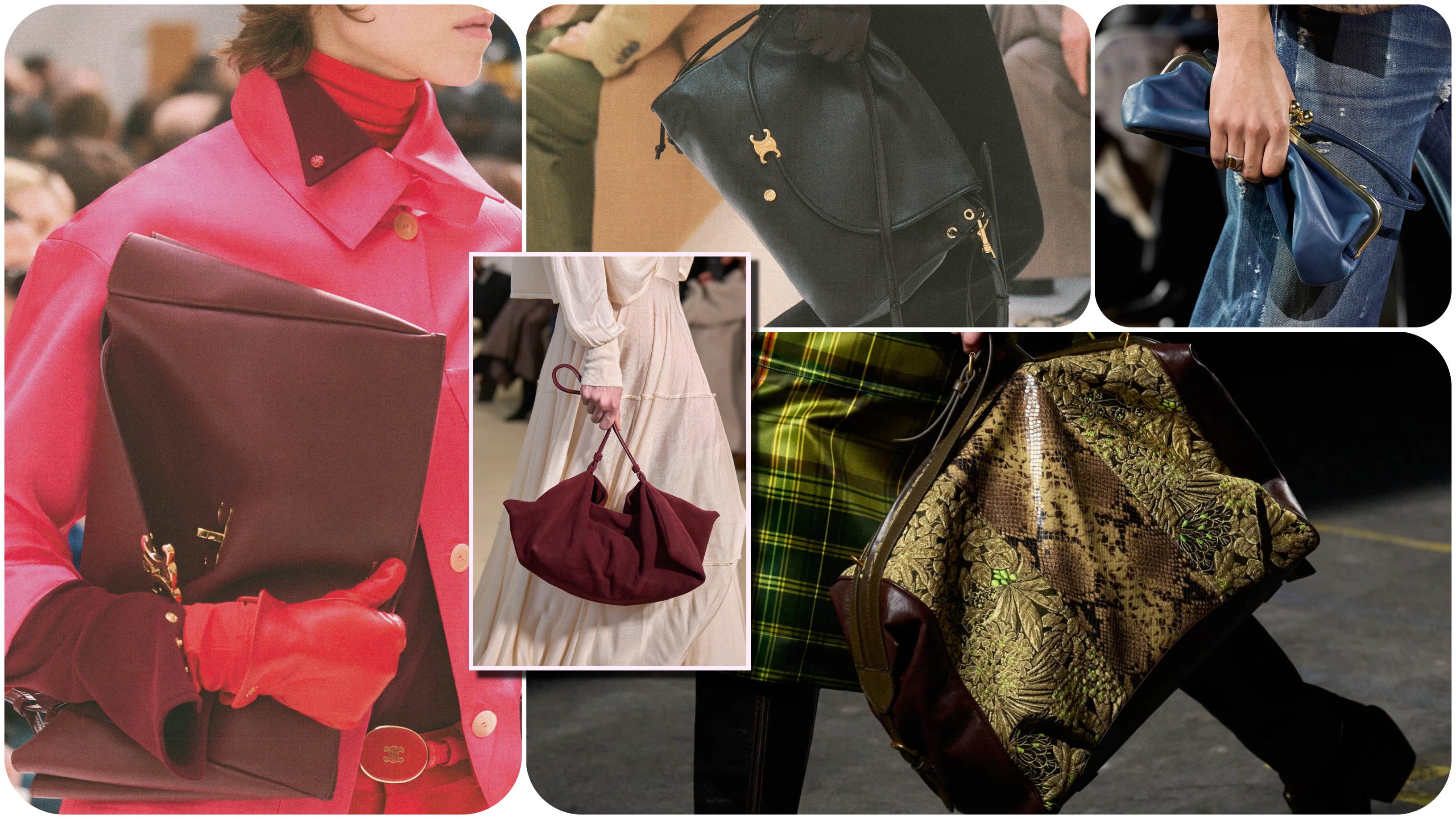
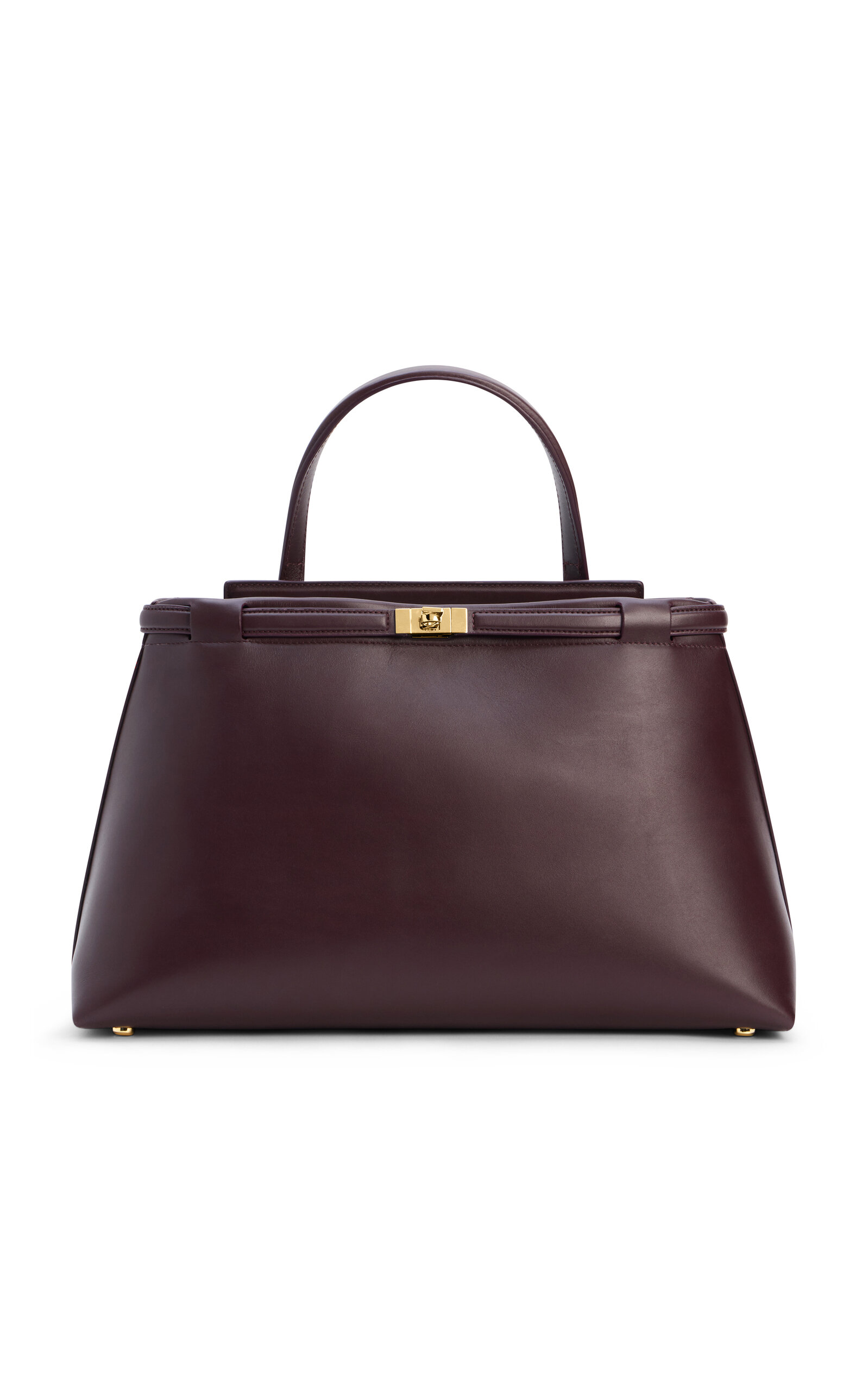
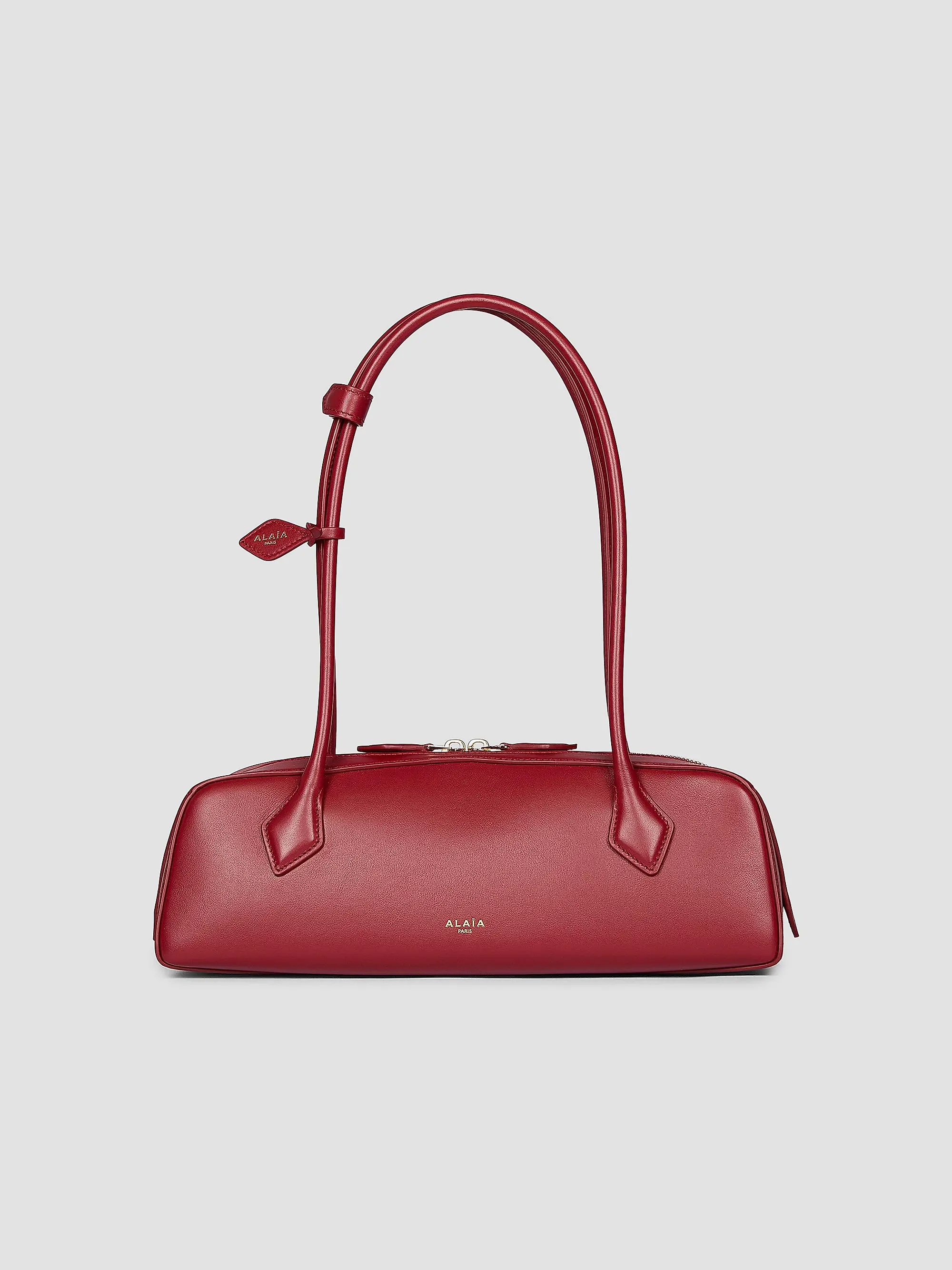
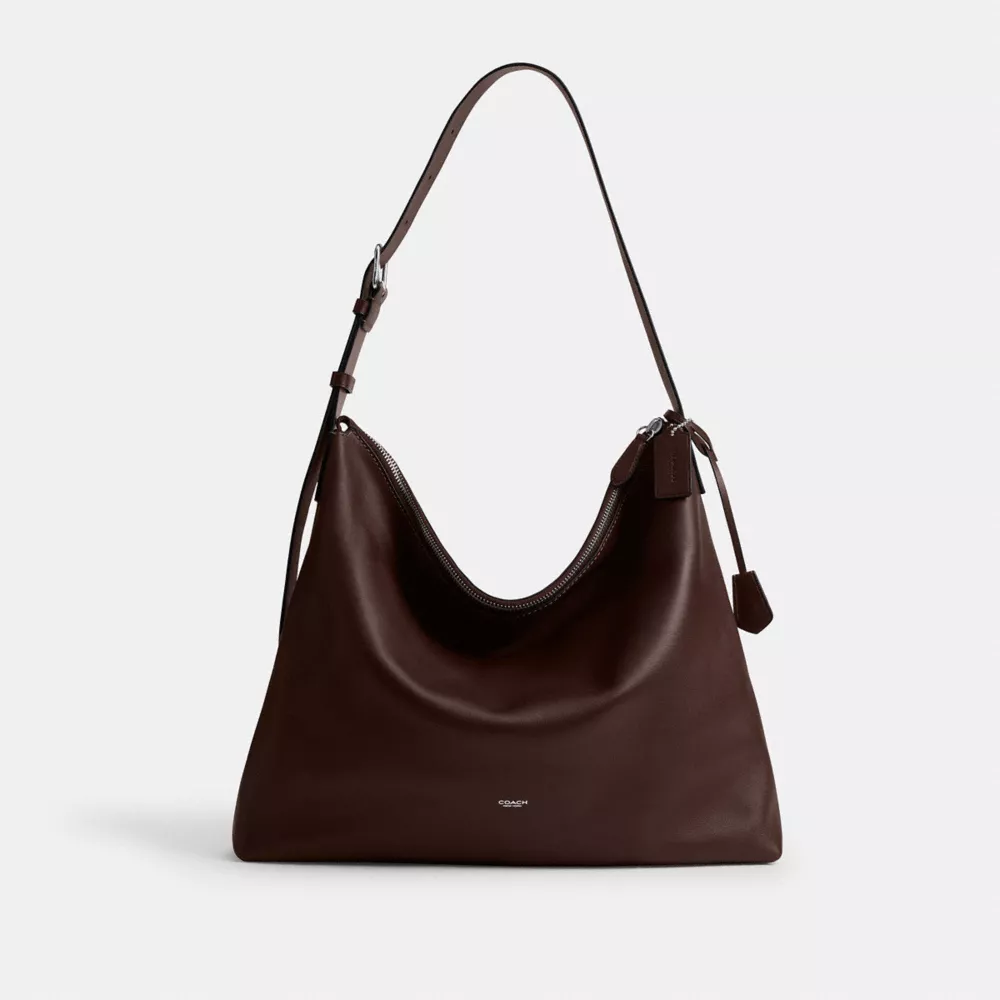
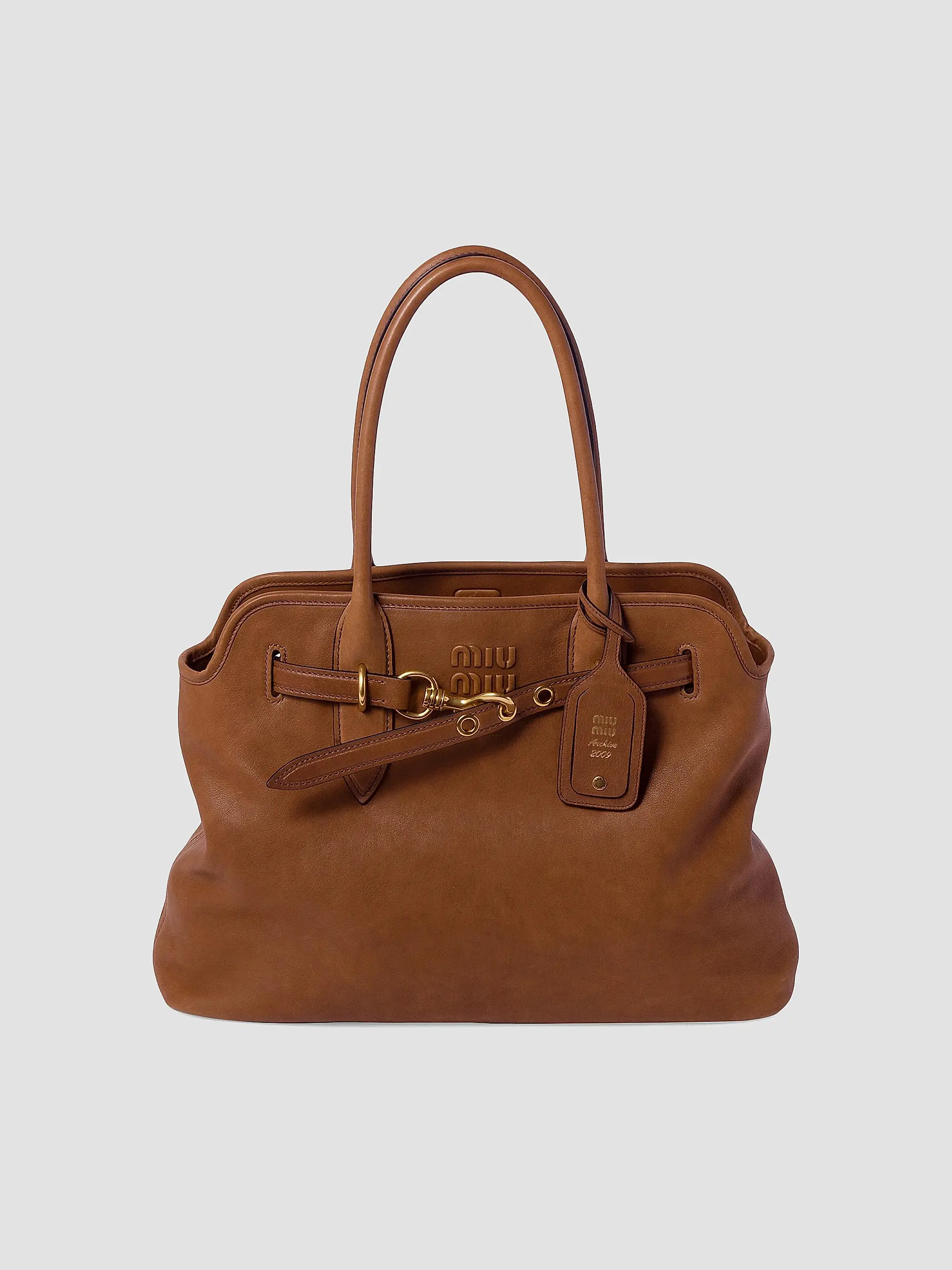
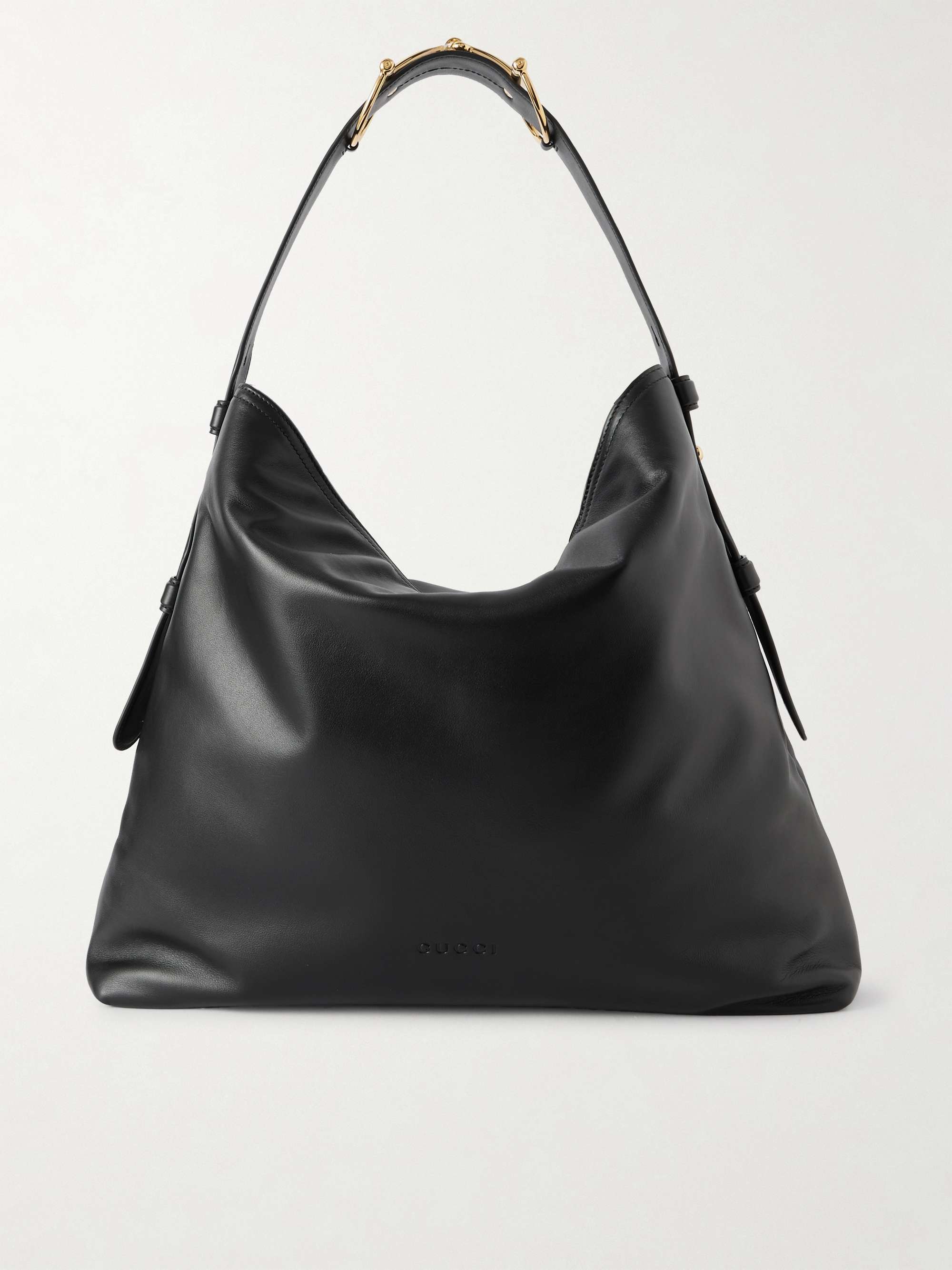
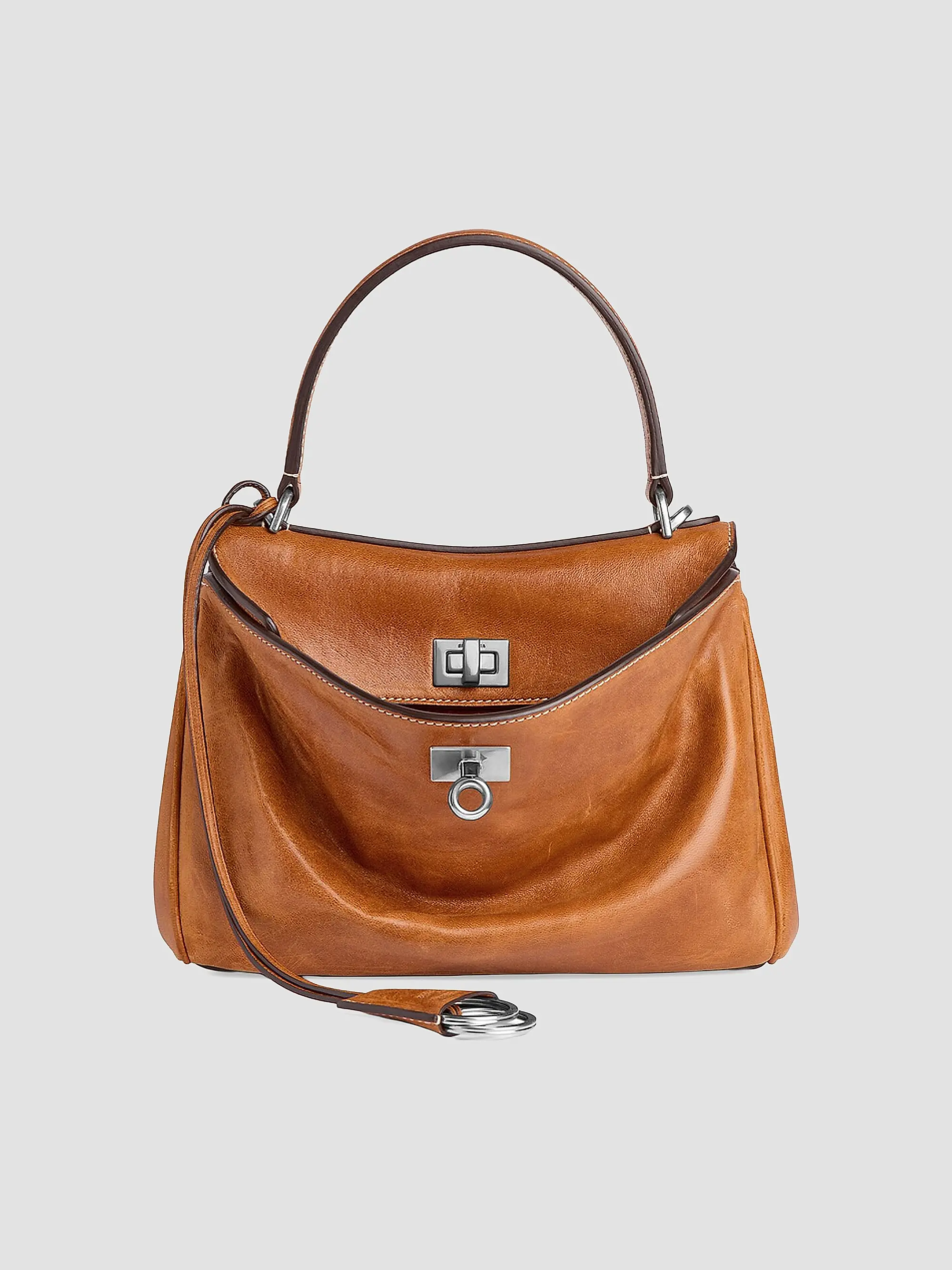
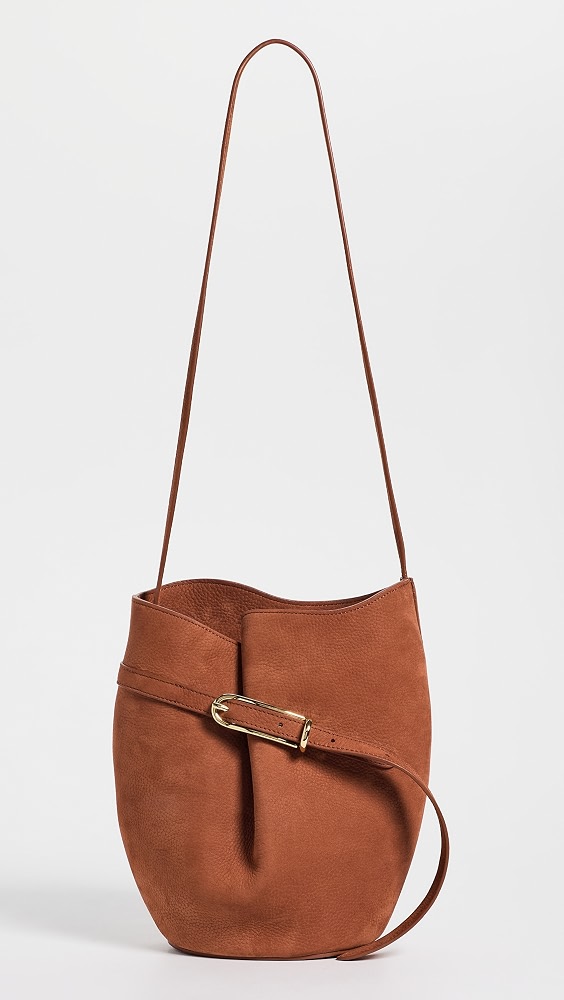
If last season was about crisp structure, Fall 2026 softens things up—without letting handbags completely lose their shape. Think less stiff and boxy, more "go with the flow." The best bags strike a Goldilocks balance: soft enough to show off the quality of the leather, but substantial enough that they don't simply puddle the second you set them down.
It's the kind of craftsmanship that only gets better the longer you own it. Buttery leather develops character instead of looking worn out, picking up creases and folds that make a bag feel personal rather than precious. That sense of understated luxury ran on and off the runways, from Phoebe Philo's beautifully supple leather bags to the softly structured shapes at Hermès, Loewe, Bottega Veneta, and Ferragamo. They're the kinds of bags you'll instinctively squeeze when you walk past them in a store—a reminder that sometimes the biggest luxury isn't a logo, it's leather that's so good you can't stop touching it.
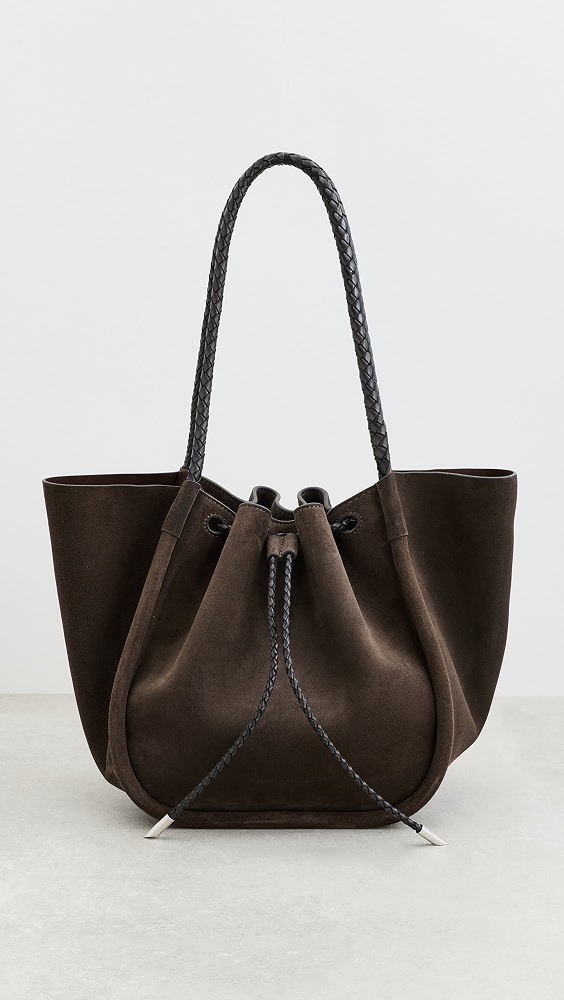
Burgundy Becomes the New Neutral
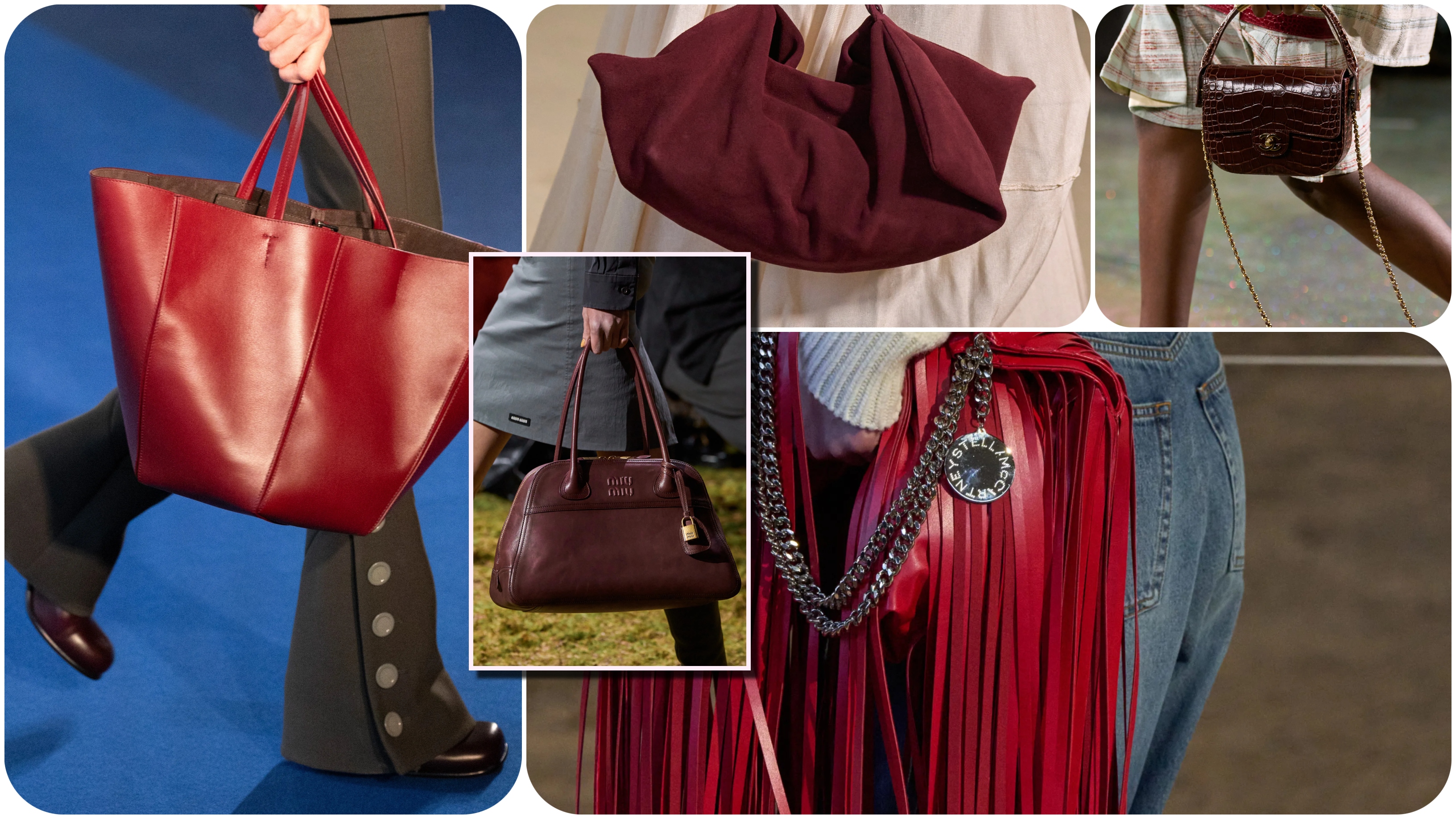
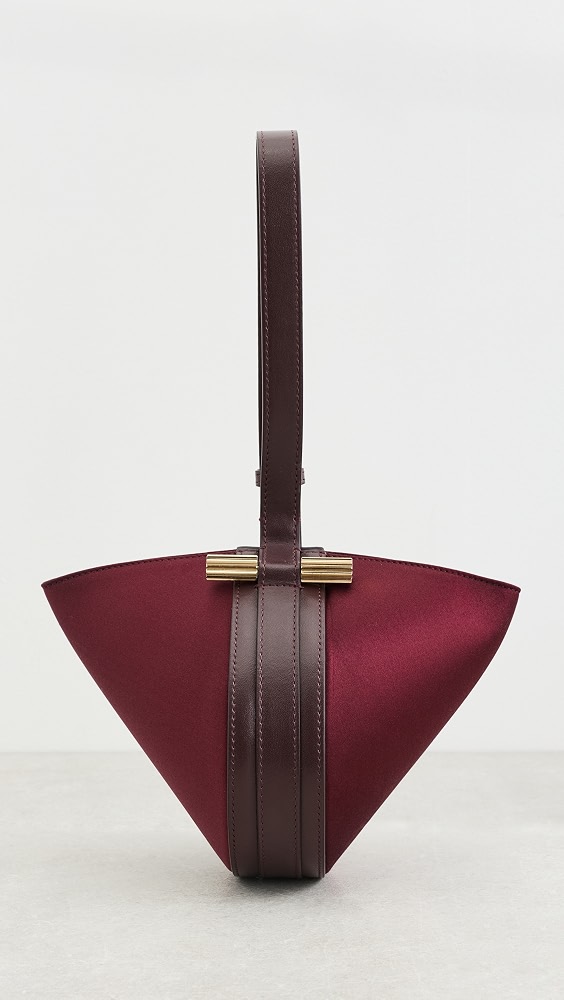
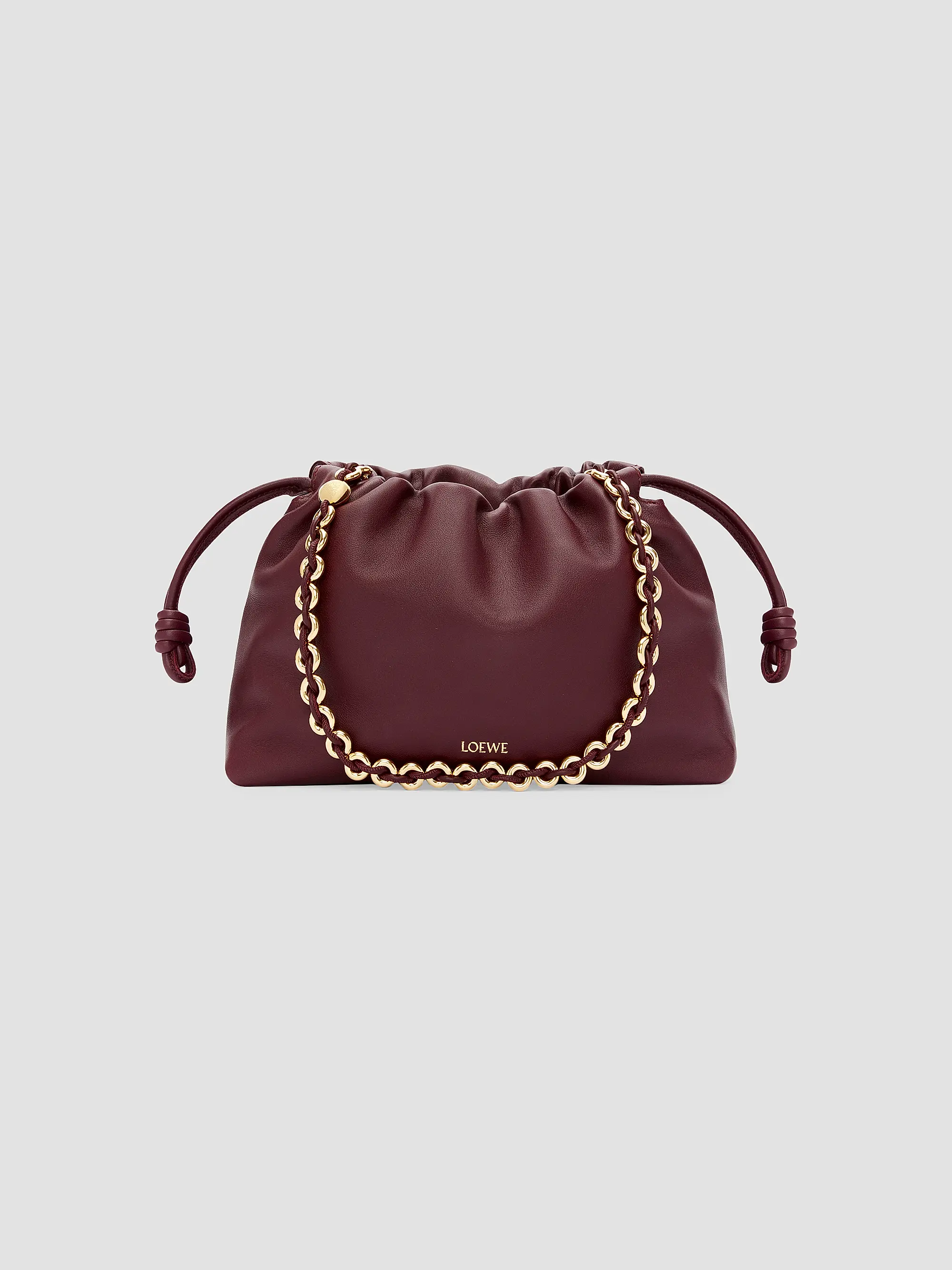
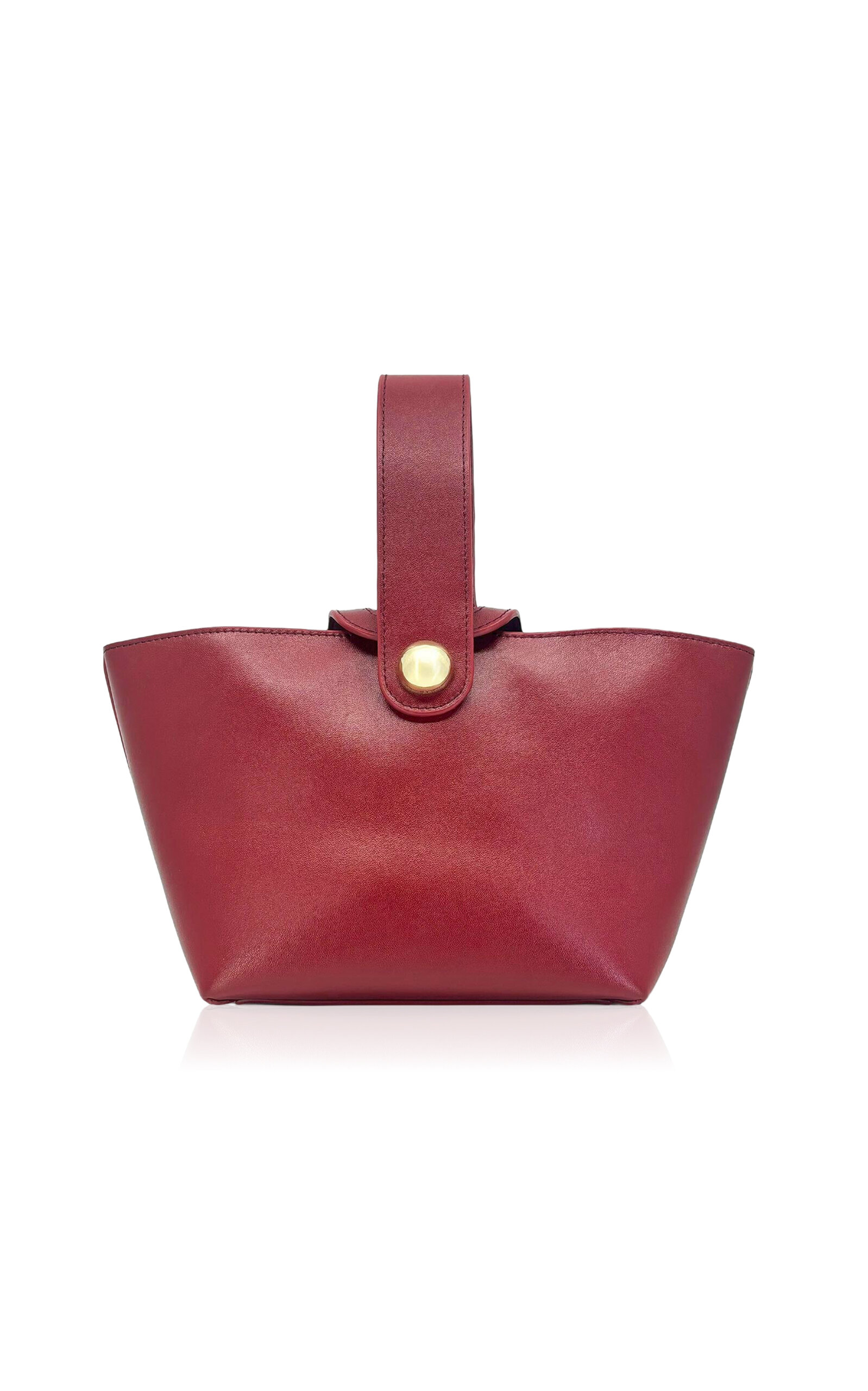
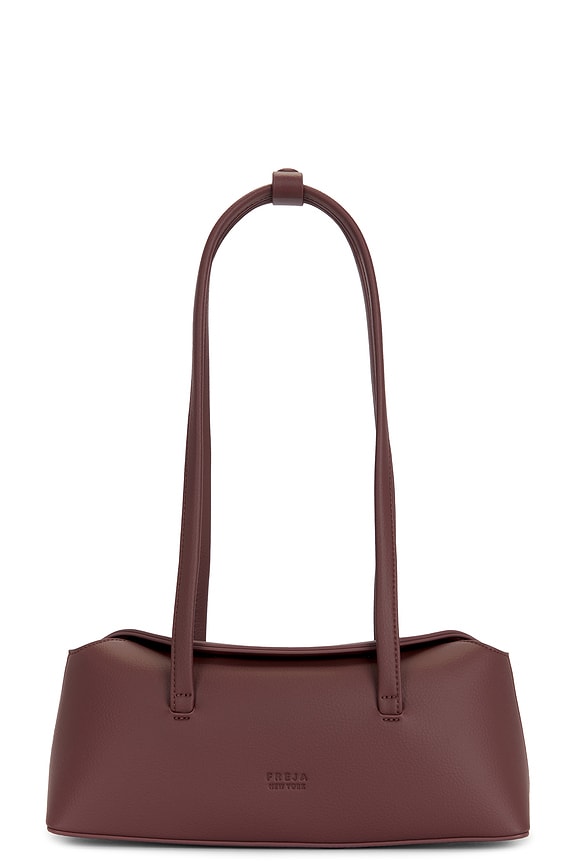
Fashion has spent the last few years convincing us to swap black for chocolate brown, while those of us who remember the 2010s never really stopped loving a good oxblood accessory. Fall 2026 lands somewhere in the middle. Burgundy has become the love child of both shades, combining the richness of deep brown with the depth and polish of a wine-colored leather bag. It feels familiar, but not tired.
On the Fall 2026 runways, designers including Gucci, Dior, Miu Miu, and Chanel used it on bags that could easily stand in for the cognac and chocolate styles already in your closet. It still works with camel, gray, denim, and all the usual fall layers, but has a little more bite.
Bags Leave the Shoulder
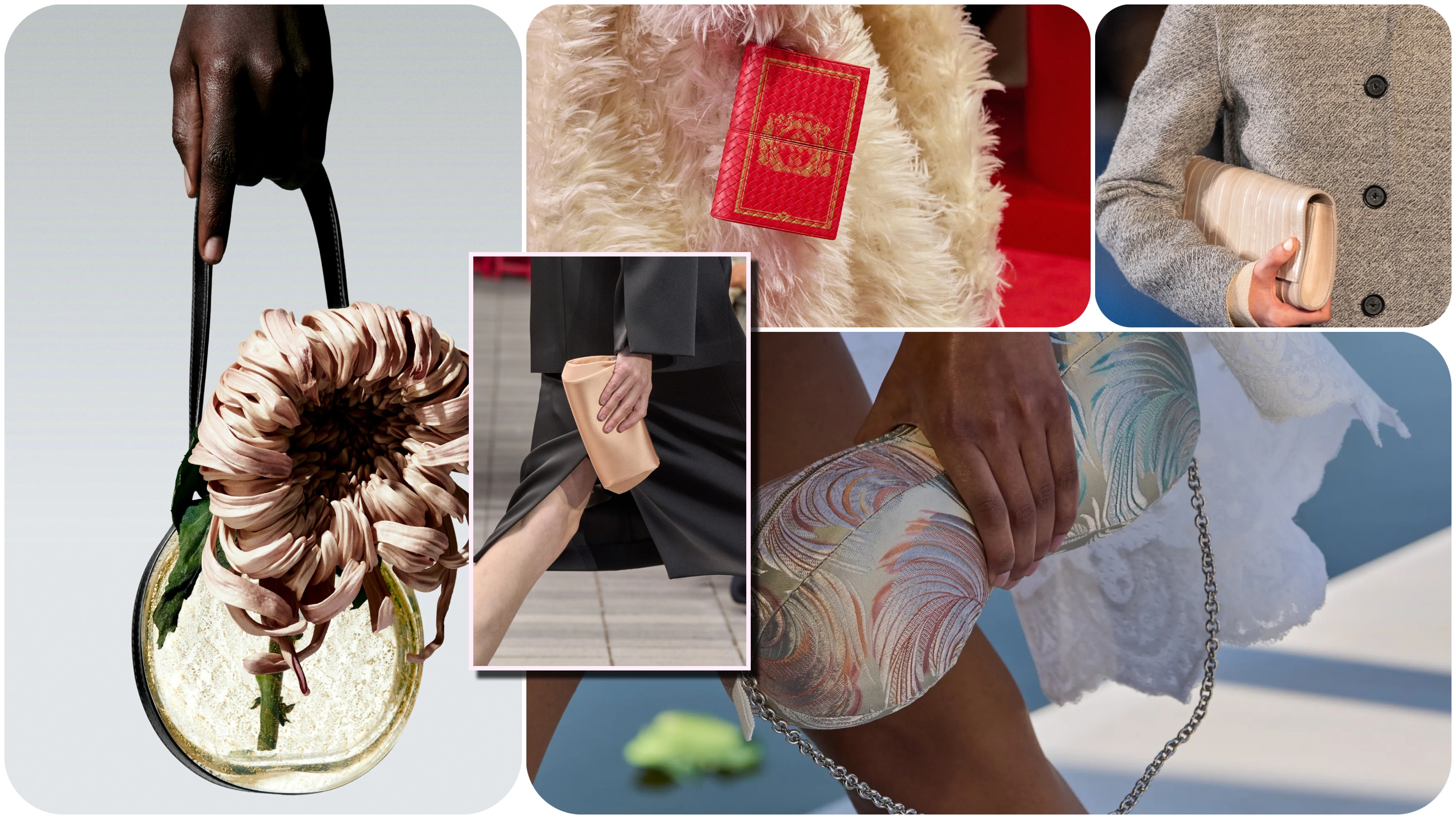
There is a time and place for a great shoulder bag or pragmatic tote, but fashion is also having a little fun with the alternatives. Enter the era of bags leaving the shoulder. There are pochettes tucked under the arm, top-handle styles slipped into the crook of the elbow, and crossbodies worn in ways that read fashion savant rather than paranoid tourist. Even the clutch has shrunk down to something closer to an old-fashioned pocketbook: small enough to grab and go, but still substantial enough to count as part of the outfit. Don't abandon practicality altogether, but carry your bag in a way that feels a little more intentional—and a lot less automatic.
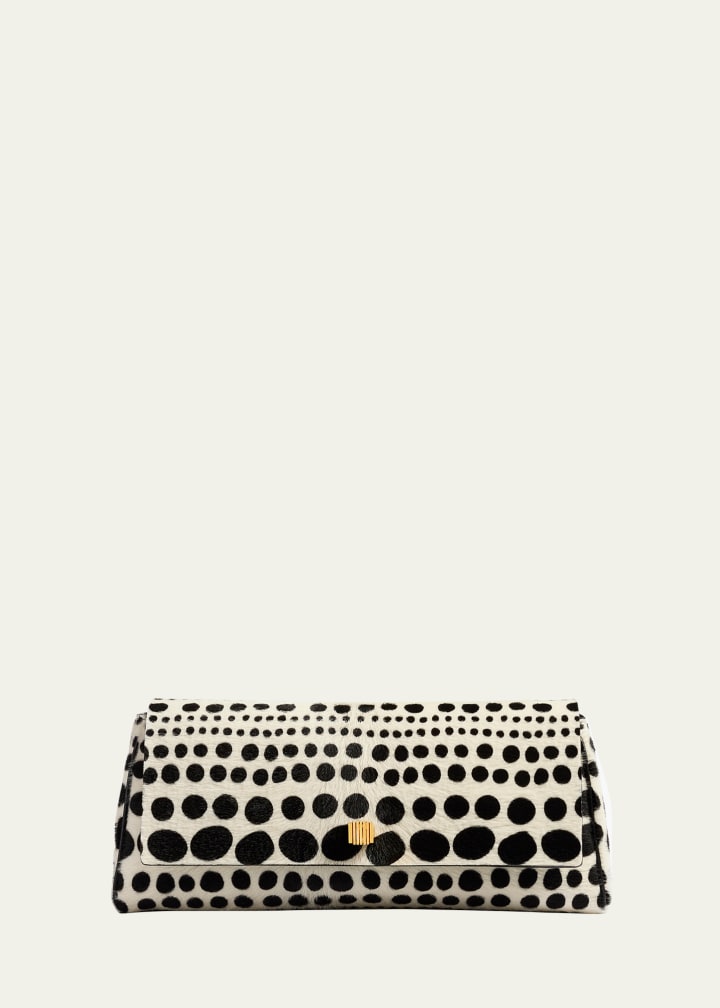
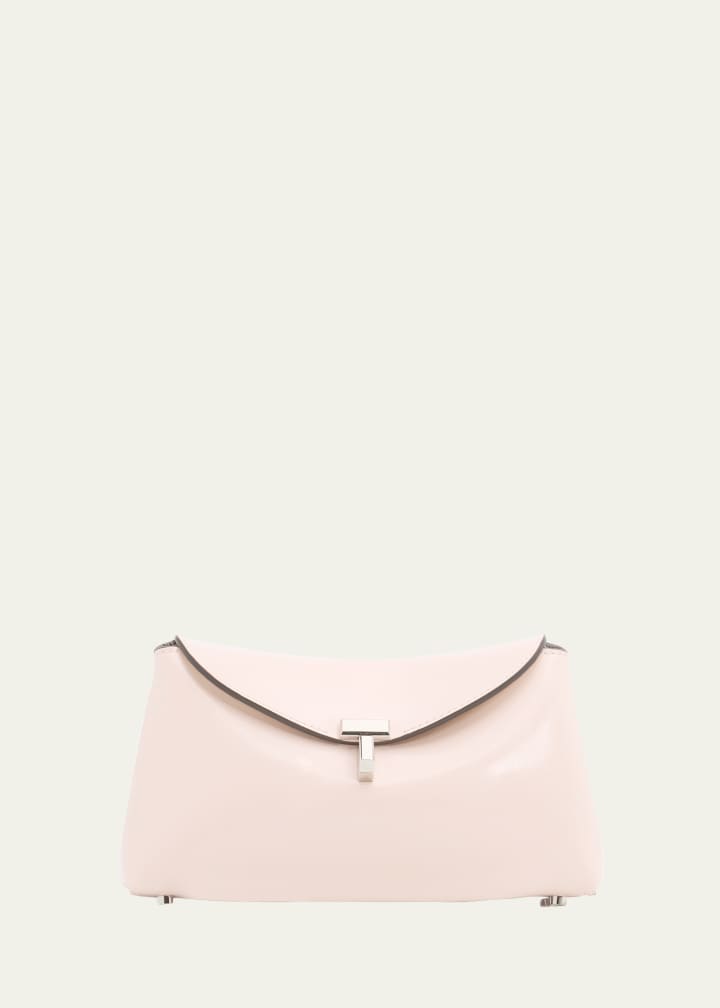
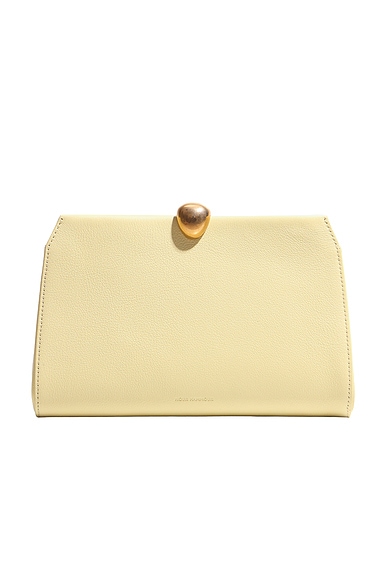
The Perfectly Unzipped Bag
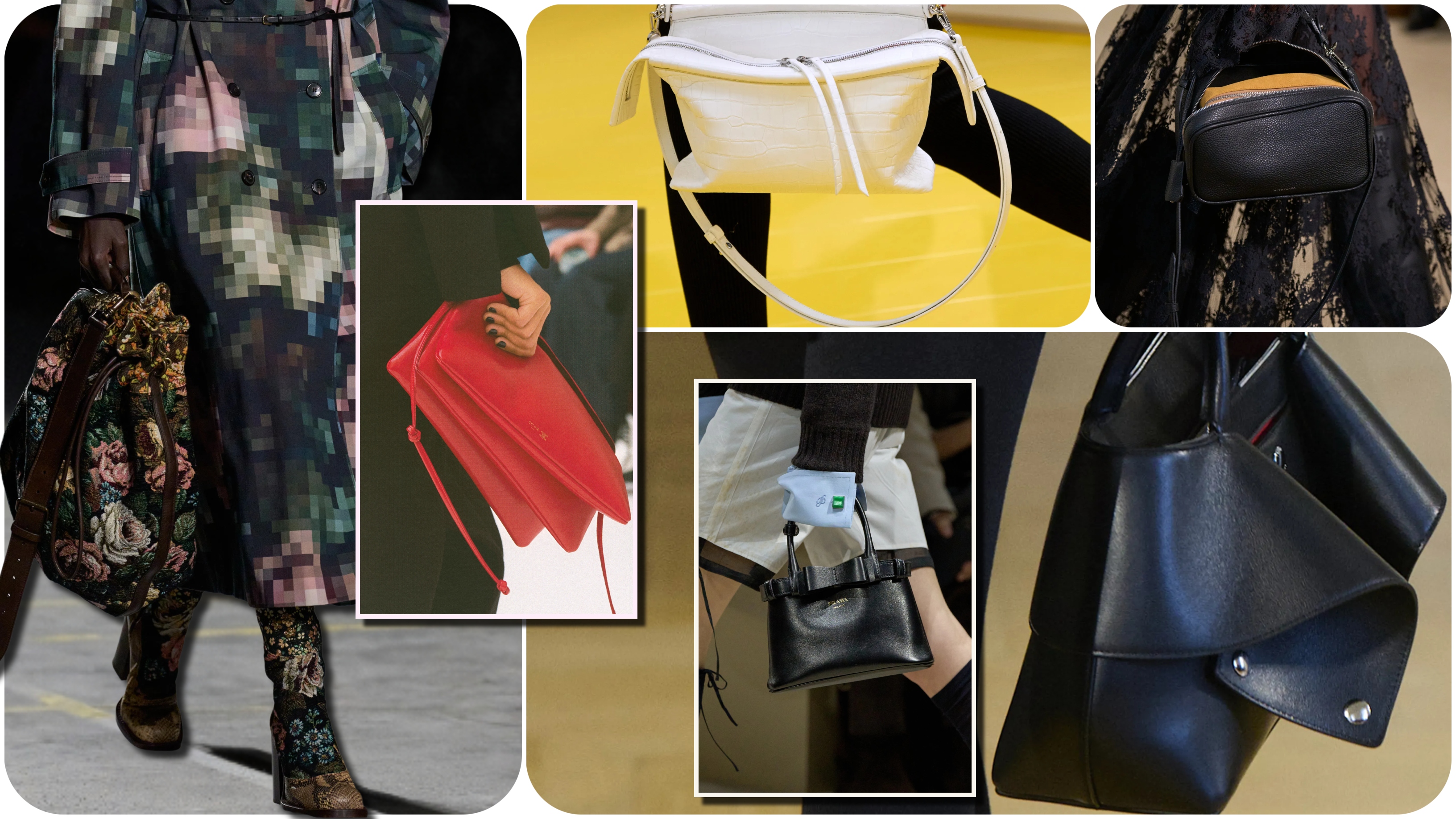
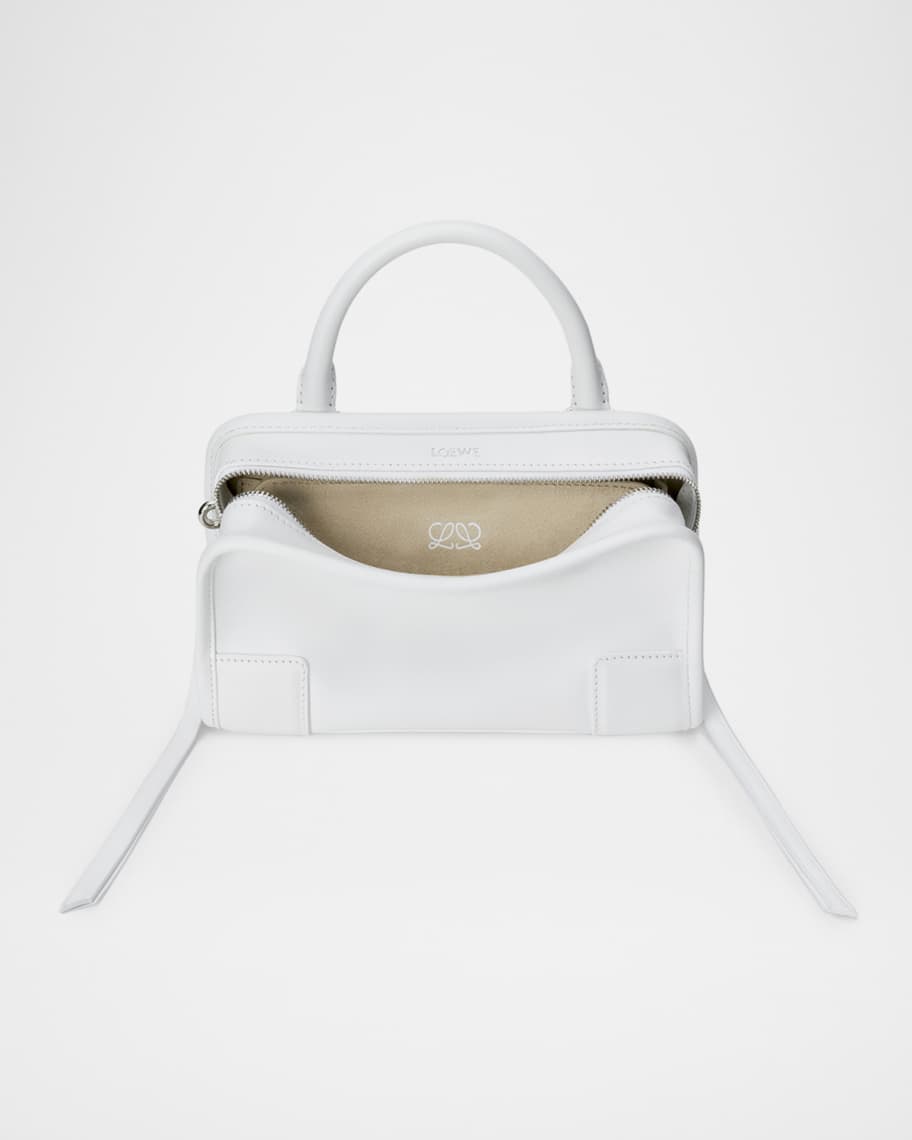
Leaving your bag unzipped sounds like a liability, but Fall 2026 makes a convincing case for it. Many of the season’s bags come with enough buckles, pulls, pockets, and hardware to keep things reasonably secure without sealing them shut completely. And because those details are part of the design, it almost feels like a waste to hide them.
The effect is less careless than it sounds. A visible zipper, folded-back flap, or bit of lining gives the bag some movement and keeps it from looking too pristine.
Read on the original site
Open the publisher's page for the full experience