The return of the cult accessory is not a nostalgia play; it is a recalibration of what value means in fashion. When we look at the pieces defining 2026 alongside those that defined the aughts, the shift is unmistakable: we have moved from the logo as a status signal to the object as a personal marker. As A study in contrast: sharp tailoring, soft silk, quiet confidence reminded us, confidence today is about composition, not declaration. The same logic applies to accessories.
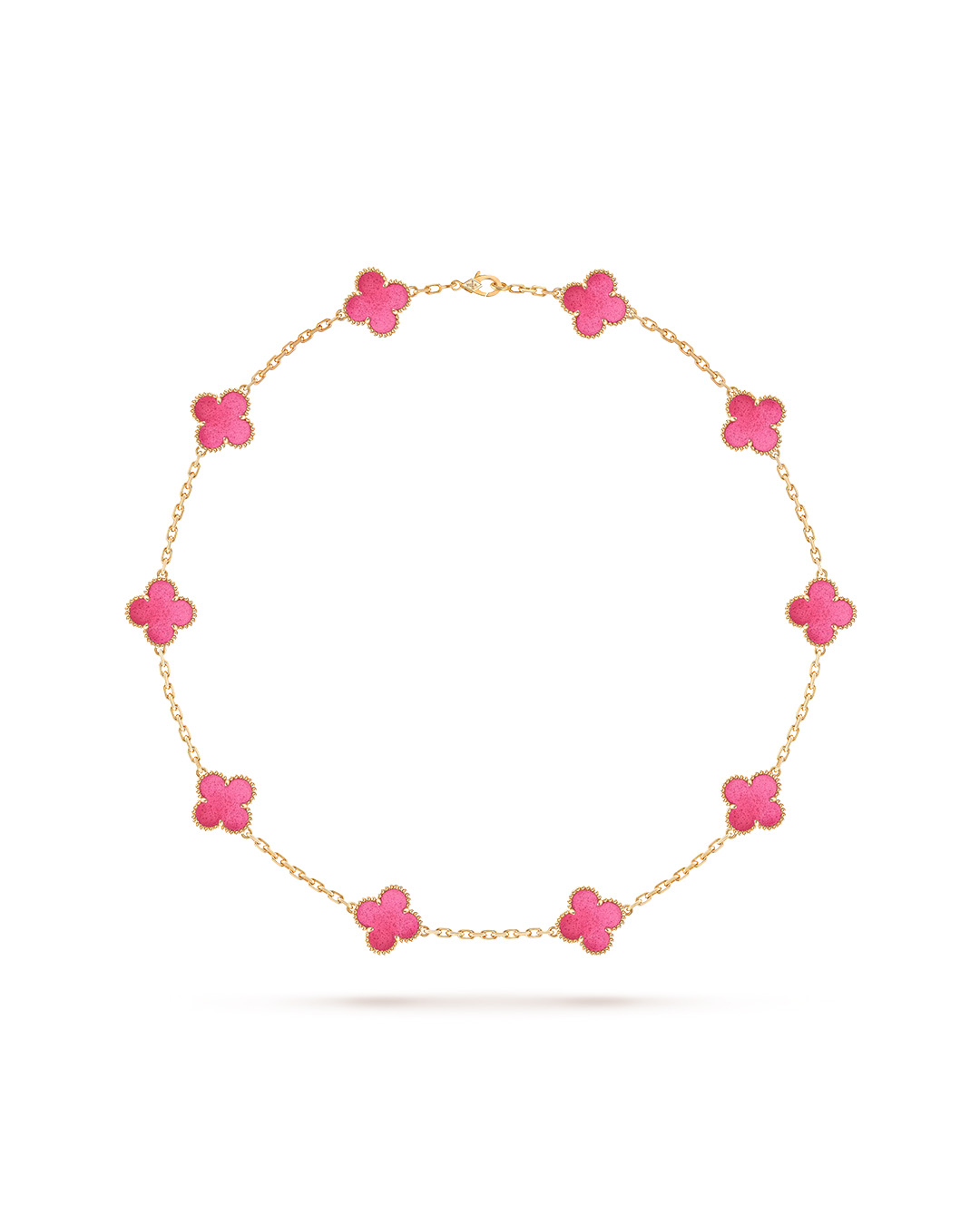
The 2000s gave us the Fendi Baguette as a cultural punchline and the Return to Tiffany Heart Tag as a rite of passage. These were pieces that announced themselves. Today, the Baguette returns in Re-Edition form, and the Tiffany Heart Tag has been succeeded by the HardWear bracelet, a heavier, industrial chain that channels the same desire for permanence but through a more sculptural lens. The difference is intent. The Van Cleef Alhambra, once a quiet flex worn singly, is now layered and stacked by Zendaya and A$AP Rocky, multiplying the motif into something almost architectural. As The Quiet Return of Effortless Luxury observed, the new luxury is not about volume but about weight and texture, pieces that reward touch and time.
What matters most is how the cult piece has evolved from a shared cultural shorthand to a deeply personal vocabulary. The Chloé Paddington, carried by Kate Moss and Mischa Barton, was a uniform. Its modern iteration brings back the padlock and slouchy leather but now references 1970s bohemia rather than early-aughts It-girl status. Similarly, the Miu Miu Coffer Bag of 2006 was a slouchy, boho must-have for Lindsay Lohan and Sienna Miller; today, the Arcadie bag from the same house keeps the matelassé leather but sharpens the silhouette into an east-west proportion that feels entirely current. The pieces are not being reinvented so much as they are being recontextualized. The Cartier Love bracelet, once a red carpet staple locked with a screwdriver, now appears in the Love Unlimited version with a flexible construction that moves with the body, less a statement of commitment and more an extension of movement itself.
The concrete takeaway is this: the cult accessory of 2026 is not about catching a trend but about choosing a code. The Chanel Flap Bag, now reimagined by Matthieu Blazy, and the Saint Laurent Brigitte Pump, worn by Charli XCX, are not retro revivals; they are evidence that the most enduring pieces are those that allow the wearer to layer meaning onto form. The question to watch is not which bag will replace the Baguette, but which current piece has the weight and the quiet authority to carry a second generation of obsessives. Our bet is on the object that feels heaviest in the hand and lightest in the story it tells.