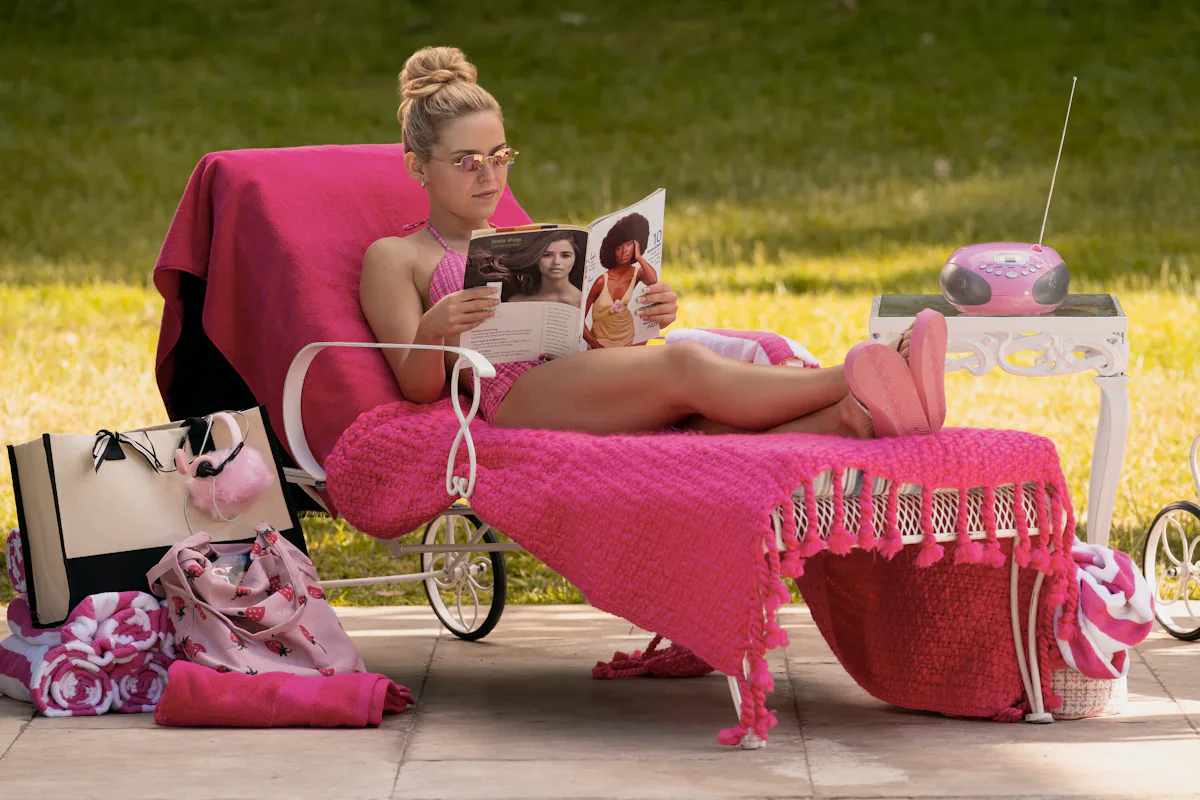
The resurgence of nostalgia is a relentless force in fashion and popular culture, and the recent Amazon Prime series *Elle* exemplifies this beautifully. Seeing Elle Woods reimagined for the 1990s isn’t just a fun exercise in retro styling; it’s a testament to the enduring power of the original film and its iconography. Costume designer Sara Byblow’s work in crafting this '90s Elle is particularly insightful, demonstrating a keen understanding of how to honor the character's essence while adapting it to a distinct era. The meticulous attention to detail – the specific cuts, fabrics, and overall aesthetic – speaks to a broader trend of revisiting beloved narratives and reinterpreting them through a contemporary lens, often with a sharper eye for authenticity. It’s a strategy that resonates with audiences who crave both familiarity and something fresh, a feeling echoed in recent trends like Hailey Bieber bringing back her flippy '90s lob Hailey Bieber Brought Back Her Flippy '90s Lob and the cyclical nature of fashion weeks constantly referencing past decades New York Fashion Week's Spring 2027 Schedule Is Here.
The brilliance of Byblow’s approach lies in capturing the essence of Elle’s personality – bubbly, optimistic, and unapologetically feminine – within the constraints of '90s fashion. It wasn't simply about replicating the pink outfits of the original film; it was about translating Elle’s confidence and playful spirit into the silhouettes and trends of the time. Think grunge-adjacent touches, perhaps a plaid skirt paired with a bright pink sweater, or a baby-doll dress with Doc Martens. This demonstrates a sophisticated understanding that nostalgia isn’t about literal replication, but about evoking a feeling and capturing a specific cultural moment. The original *Legally Blonde* offered a potent message of self-discovery and defying expectations, and seeing that message refracted through the lens of the '90s, a decade known for its own unique brand of self-expression and rebellion, creates a compelling and layered narrative. Moreover, the choice to focus on a younger Elle – pre-Harvard Law – allows for a deeper exploration of her character development and the roots of her unwavering self-belief. It’s a strategic move that allows the series to stand on its own while remaining true to the spirit of the original.
The success of *Elle* and Byblow’s costume design reflects a broader shift in how we consume and engage with nostalgia. Consumers aren't just looking for a quick hit of familiarity; they want a thoughtful, nuanced reinterpretation that respects the source material while offering something new. This demand extends beyond fashion and into broader cultural trends, from music revivals to the resurgence of '90s television shows. The careful curation of details – the specific accessories, the subtle nods to '90s pop culture – demonstrates a deep understanding of what resonates with audiences craving a sense of connection to the past, but also seeking something fresh and relevant. The casting of Jessica Brooks, and the overall aesthetic of the series, speaks to a desire for authenticity and a rejection of superficial recreations. It’s a visual language that prioritizes mood and atmosphere, much like the understated elegance we champion, rather than overt displays of wealth or trendiness. The careful consideration given to the styling builds upon the ongoing exploration of identity within fashion, as exemplified by models like Moses Martin making his debut in Burberry’s summer campaign Moses Martin Makes Modeling Debut In Burberry's Summer Campaign, further demonstrating how fashion can be a powerful tool for self-expression.
Looking ahead, it will be fascinating to observe how this approach to reimagining beloved characters and stories continues to evolve. Will we see more '90s revivals, or will the focus shift to other decades? More importantly, how will creators balance the desire for nostalgia with the need to create content that is genuinely fresh and engaging for a modern audience? The success of *Elle* suggests that the key lies in a deep understanding of the source material, a keen eye for detail, and a willingness to embrace the nuances of the past while remaining firmly rooted in the present. The challenge, then, isn't simply to recreate the past, but to understand *why* it resonates with us and how those lessons can inform the stories we tell today.