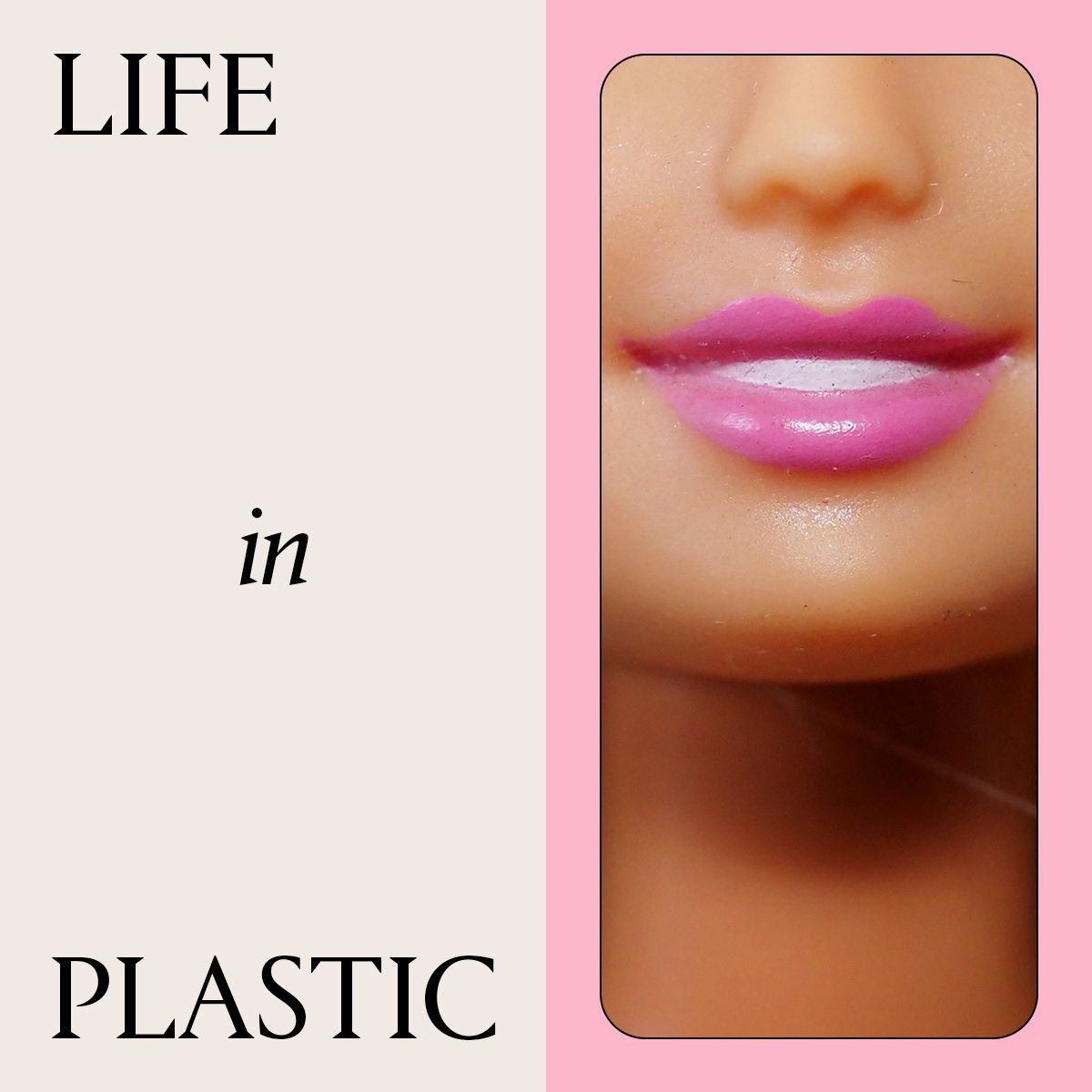
There is a particular kind of quiet that follows the decision to change something about yourself that has weighed on you for years. It is not the silence of a procedure, but the stillness that comes after the healing. In Marie Claire's *Life in Plastic* column, Jenny Hutt, a 55-year-old New Yorker, shares a thought that lingers long after reading: *"The removal of excess skin feels like it was the removal of trauma."* That sentence, precise and unflinching, reframes the entire conversation around aesthetics. It is not about vanity or vanity's opposite. It is about the body finally catching up with the self you have become on the inside. We are not interested in debating whether she made the right choice. We are interested in the emotional accuracy of her statement.
This is where the story intersects with a broader cultural moment, one that values Refined Relaxation and Scenic Beauty as much as it values the effort required to get there. A face lift, like a weekend away in the mountains, is not an escape from reality. It is a return to it, but on your own terms. The same way we curate our environments for calm, some of us now curate our physical presence for alignment. Jenny's honesty is not confessional in a desperate sense. It is the calm authority of a woman who has stopped negotiating with her past. She is not asking for permission to feel lighter. She is simply telling us that she does. That distinction matters, because it moves the conversation from "should she have?" to "what does it mean to let go?"
For our readers, the takeaway is not about whether a facelift is right for you. It is about the principle of removal as a form of self-knowledge. We often treat acceptance as passive, as if it means tolerating what is. But Jenny's experience suggests the opposite: that true self-acceptance can be an active, surgical act. It is the decision to no longer carry what does not serve you, whether that is excess skin, an old story, or a habit of self-criticism. In the same way Kate Moss Revives a 2000s Boot, Defining Quiet Cool for Today reminds us that style is about reclamation, not reinvention, Jenny's journey is about reclaiming her own reflection. She is not erasing herself. She is editing the noise.
What we would tell a reader who asked us about this story is simple: do not underestimate the emotional weight of your own physical choices. The most luxurious thing you can own is the feeling of being at home in your body. Jenny's story is not a recommendation to go under the knife. It is an invitation to examine what you are holding onto that is not yours to keep. The open question is not whether we should change our appearance, but whether we are changing it for the world or for the quiet voice inside that finally deserves some peace. Watch how you feel when you read her words. That reaction is the real procedure.