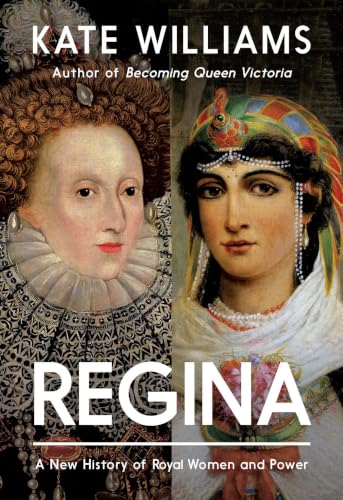
We have been seduced by the fairytale for so long that we forgot it was a cage. Princess Diana's real legacy is not the wedding dress or the tiara but her absolute refusal to perform happiness for an institution that demanded she smile through her own unraveling. Royal historian Kate Williams has articulated what many of us felt intuitively: Diana shattered the myth of the blissful princess not by accident, but by choice. She looked at the expectation to be Cinderella, happily ever after, and said no. That no was louder than any royal decree.
This refusal was not a quiet rebellion whispered behind palace walls. It was a public, deliberate dismantling of a fantasy that had constrained royal women for centuries. As Williams notes, we want princesses to perform happiness, it is a condition of the role. Grace Kelly spoke of her struggles, but she did so in private settings that protected the institution. Diana took her truth to the world, discussing her bulimia, her self-harm, and her unhappiness in a BBC Panorama interview that tore the fairytale to pieces. She understood that the fantasy was not sustainable, and rather than let it consume her, she exposed it. The press turned against her, but she had already claimed something more valuable than their approval: her own narrative. This is the quiet, potent power of a woman who refuses to be a symbol and insists on being a person.
Her feminist significance is often undervalued precisely because she did not deliver lectures or wave placards. She fought back against the most sexist impressions through action. When politicians dismissed her landmine campaign as the work of a loose cannon, she carried on anyway. She did not ask for permission to be credible. She simply was. Diana's story is not a cautionary tale about the dangers of marrying into royalty; it is a masterclass in self-possession within a system designed to erase it. She understood that the calendar of royal obligations and the weight of tradition, as explored in The Calendar's Gravity May Quietly Steer the Royal Rift, waits for no one's emotional survival. Diana refused to wait.
What does this mean for us? It means we have permission to stop performing our own happiness. The takeaway is direct: authenticity is not a luxury; it is a form of power. Diana proved that the most radical act a woman can perform in a system built on her silence is to speak her truth, even when it ruins the story everyone wanted to tell about her. She tore the fairytale apart, and in doing so, she left us a far more valuable inheritance: the right to be real. The next time a royal custom feels absurd, as Princess Anne has pointed out in Princess Anne on the royal custom she finds patently absurd, we should remember the woman who refused to curtsy to a lie. The fairytale is dead. Long live the woman who killed it.