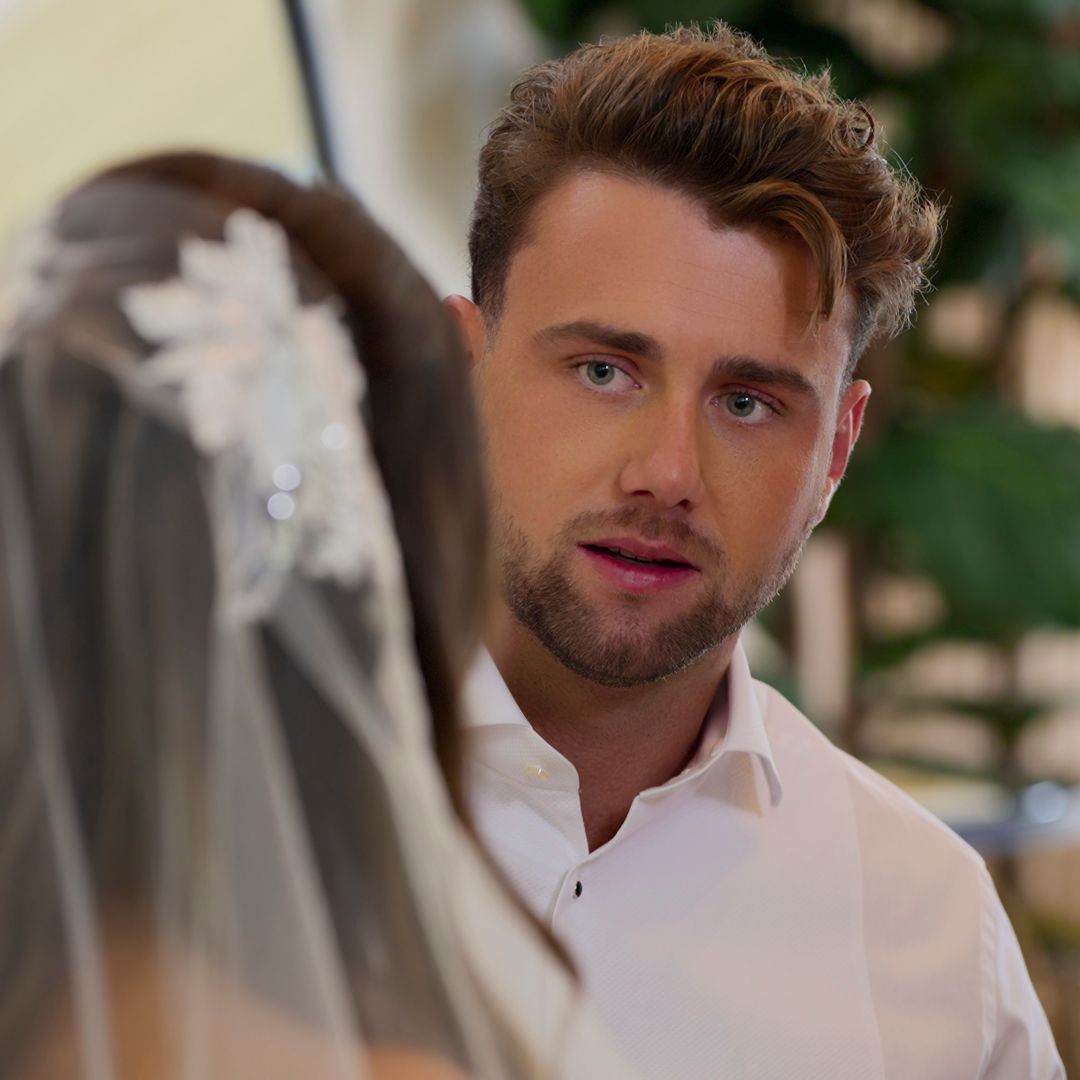
The season finale of *Let's Marry Harry* landed on Netflix on August 12, and with it, the Reality Universe quietly crossed a line we didn't ask to see. The premise once felt like a cheeky what-if, a celebrity bachelor experiment wrapped in sequins and secondhand embarrassment. Now, it reads as something sharper: a show that has stopped pretending it's about love and started trading directly in the ache for partnership. For a culture that already confuses attention with intimacy, this feels less like entertainment and more like a transaction dressed in a white dress. We can't look away, but we should at least be honest about what we're watching.
There is a particular fatigue that comes from watching women offer their most vulnerable selves to a man whose main qualification is notoriety. We've seen this before, of course, in the endless churn of dating shows that promise forever and deliver fifteen minutes of curated trauma. But *Let's Marry Harry* feels different because it doesn't even bother to hide the mechanics. The desire for partnership is real, and it is tender, and it is precisely what makes these women susceptible to a production team that needs drama, not vows. It reminds us of the stories we tell ourselves about romance, the ones we explored in When Pretending Led to Forever: Love Stories Born from Fake Dating. In that piece, we saw how a lie can bloom into something genuine. Here, the inverse is true: the premise is so hollow that even the possibility of sincerity feels like a performance.
What unsettles us most is the normalization of this exchange. We are being trained to accept that a proposal is the ultimate prize, even when the man offering it is a punchline. And yet, there is something quietly radical in watching these women hold their ground, even inside a circus. They are not fools; they are participants in a game rigged against them, and their grace under pressure is the only thing worth rooting for. This is where we find a thread to Pamela Anderson’s September: A Month of Venetian Grace and Vogue Moments. Anderson, who has spent decades redefining her own narrative, embodies the same quiet defiance: the refusal to be reduced to a punchline, the insistence on dignity even when the world is laughing. These women are not the same, but they share a certain spine.
So what do we tell a reader who asks if she should go on such a show? We tell her this: do not confuse the camera's gaze with a partner's. The proposal is a prop; the real relationship is with yourself, and that one doesn't need a producer's approval. If you seek partnership, seek it in rooms where your voice is not a plot twist. The takeaway here is not that dating shows are evil, but that they are not a shortcut to love. They are a shortcut to visibility, and those are not the same thing. Watch the finale if you must, but keep your heart in your own hands. The women on screen are not the only ones who get to choose their ending.