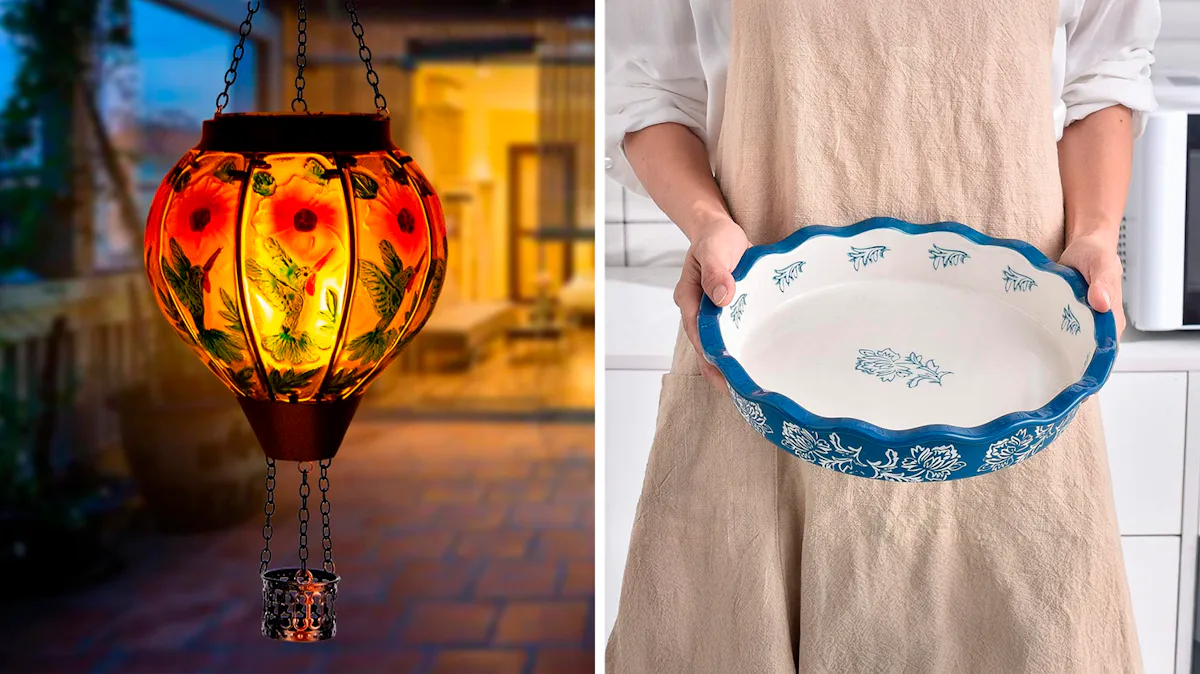
There is something quietly subversive about a gift that looks expensive but costs less than a cappuccino you'd forget you ordered. This is the territory The Zoe Report's shopping editors have mapped with precision: seventy-five gifts, all under twenty-five dollars, that carry the weight of something far more considered. We are drawn to the restraint of it, the idea that thoughtfulness need not announce itself with a price tag. In an era where so much of gifting has become performative, this collection feels like a return to an older, more intimate kind of giving. It reminds us of the quiet ritual we explored in Byredo's Swedish winter ritual, reimagined in ten refined pieces, where atmosphere and intention matter more than volume. Here, too, the gesture is the gift.
What makes these objects feel worth more is not the materials alone but the attention to detail they imply. The ceramic mug with its half-lid and hand-painted stripes, the glass salt cellar with its embossed label, the miniature handblown tulips in a ribbed vase, each piece signals that someone saw the small things. That is the true luxury: being known. The flat book light that illuminates an entire page without disturbing a partner's sleep, the leather jewelry box with a kiss-lock closure, the matcha whisk set pretty enough to leave on the counter, these are not impulse buys. They are quiet acts of observation, the kind of gift that says *I noticed how you live*. This is the same sensibility we admired in What stylish mothers and daughters are gifting each other in 2026, where taste passes not through price but through shared understanding.
The practical takeaway here is simple but exacting: you do not need to spend more to give well. You need to spend more attention. The ceramic soup bowls with expiration dials on their lids, the dumpling clutch purse that opens wide enough to find your keys, the absorbent coffee sleeves in a pattern you actually remember them liking, these are gifts that solve a real, small friction in someone's day. That is the difference between a generic present and one that lands. When you choose a glass planter with a tiny bird perched on its iron stand, you are not buying a planter. You are buying the moment they notice it on their desk and smile.
The only question worth asking yourself, as you scroll through these seventy-five options, is this: which one of these objects would you be genuinely pleased to receive? The answer will tell you exactly who to give it to. That is the quiet authority of understated giving, it asks you to know yourself first, so you can know someone else. And if you find yourself adding a second to your cart for your own kitchen counter, well, that feels like the point.