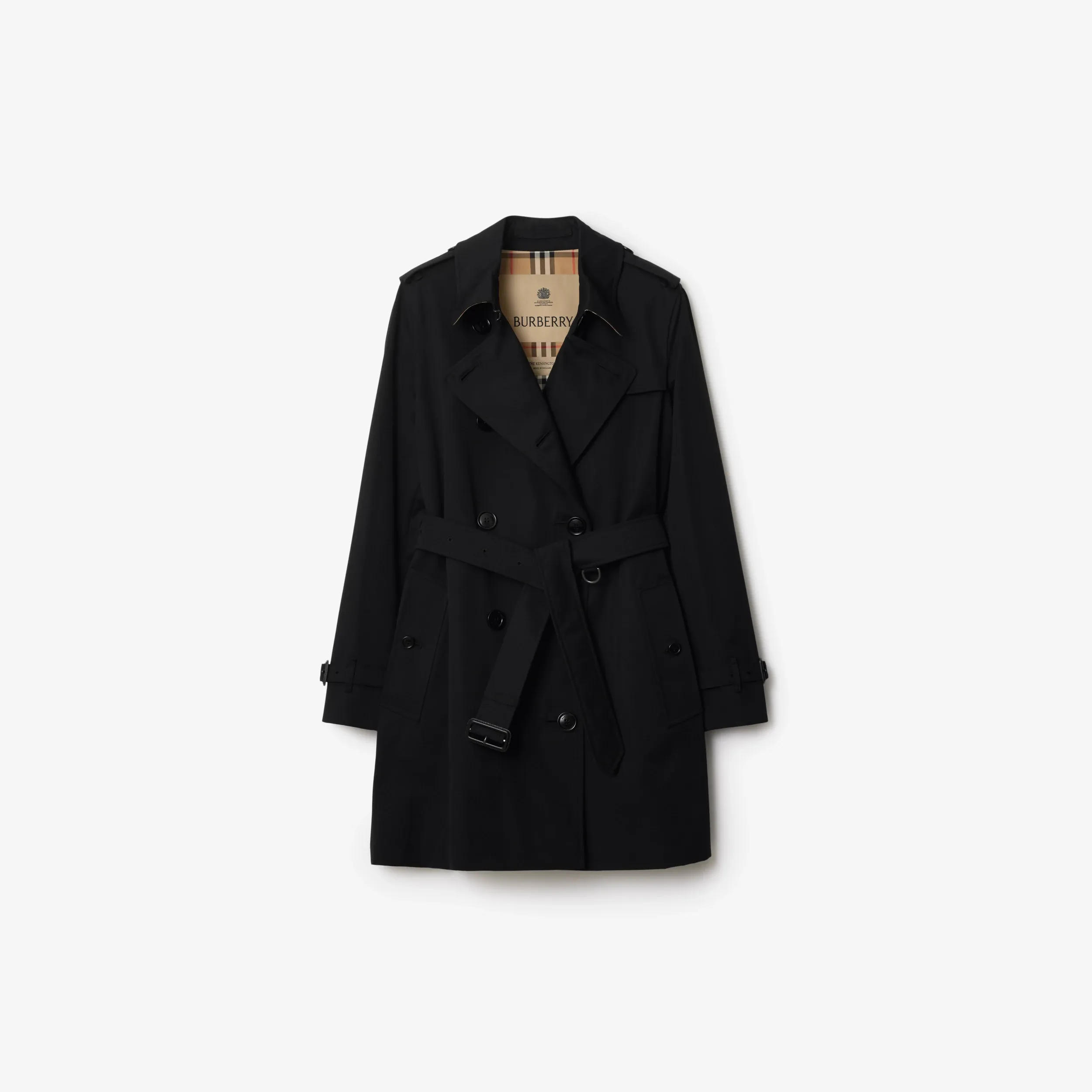
There is a quiet authority in knowing exactly what belongs in your wardrobe, and a deeper one in understanding why. The editors who have anchored their closets to the signatures of Chanel, The Row, and Toteme are not chasing novelty; they are making a case for permanence. This is not a story about trends. It is a story about the slow, deliberate curation of a personal language, one where a Burberry trench coat or a pair of Manolo Blahnik kitten heels says everything without needing to speak. We have long believed that the most powerful style signals are the ones that arrive softly, and this selection of designer labels confirms that true luxury is not about volume, but about resonance. It is a mindset that aligns closely with the enduring quiet of a Chanel ballet flat, a subject we explored when considering The Future of Quiet Luxury Is Here and Her Name is Chanel.
What makes these pieces so covetable is not merely their craftsmanship, though that is undeniable. It is the emotional confidence they impart. A Cartier Tank watch or a pair of Khaite Danielle jeans does not clamor for attention; it simply exists in its own assured space, and in doing so, it elevates the woman who wears it. There is a parallel here to the precise, considered psychology we observed in a recent discussion of costume, where every detail served a narrative purpose. In the same way, Costume as accomplice the psychology of blood-red Versace reminded us that what we choose to wear is always a deliberate act of self-definition. These editor-approved brands understand that. They offer not just a product, but a permission slip to move through the world with quiet intention.
The practical takeaway is simpler than the industry would have you believe. Forget the seasonal churn. Invest in the pieces that feel like extensions of your own sensibility. A Ferragamo pump, a Celine Triomphe sunglass, a Toteme wrap coat, these are not purchases made to impress strangers. They are investments in a self that you already recognize. This is the kind of wardrobe that does not require constant editing because it was built with thought from the very first stitch. The cost per wear calculation is real, but the real value is in the ease it returns to your morning. You stop deciding. You start living.
Watch what happens when the most discerning editors continue to return to the same handful of houses. They are not signaling status; they are signaling self-awareness. The question for us now is not which label to buy, but which piece feels so inevitable that you can already imagine it in rotation a decade from now. That is the only metric that matters.