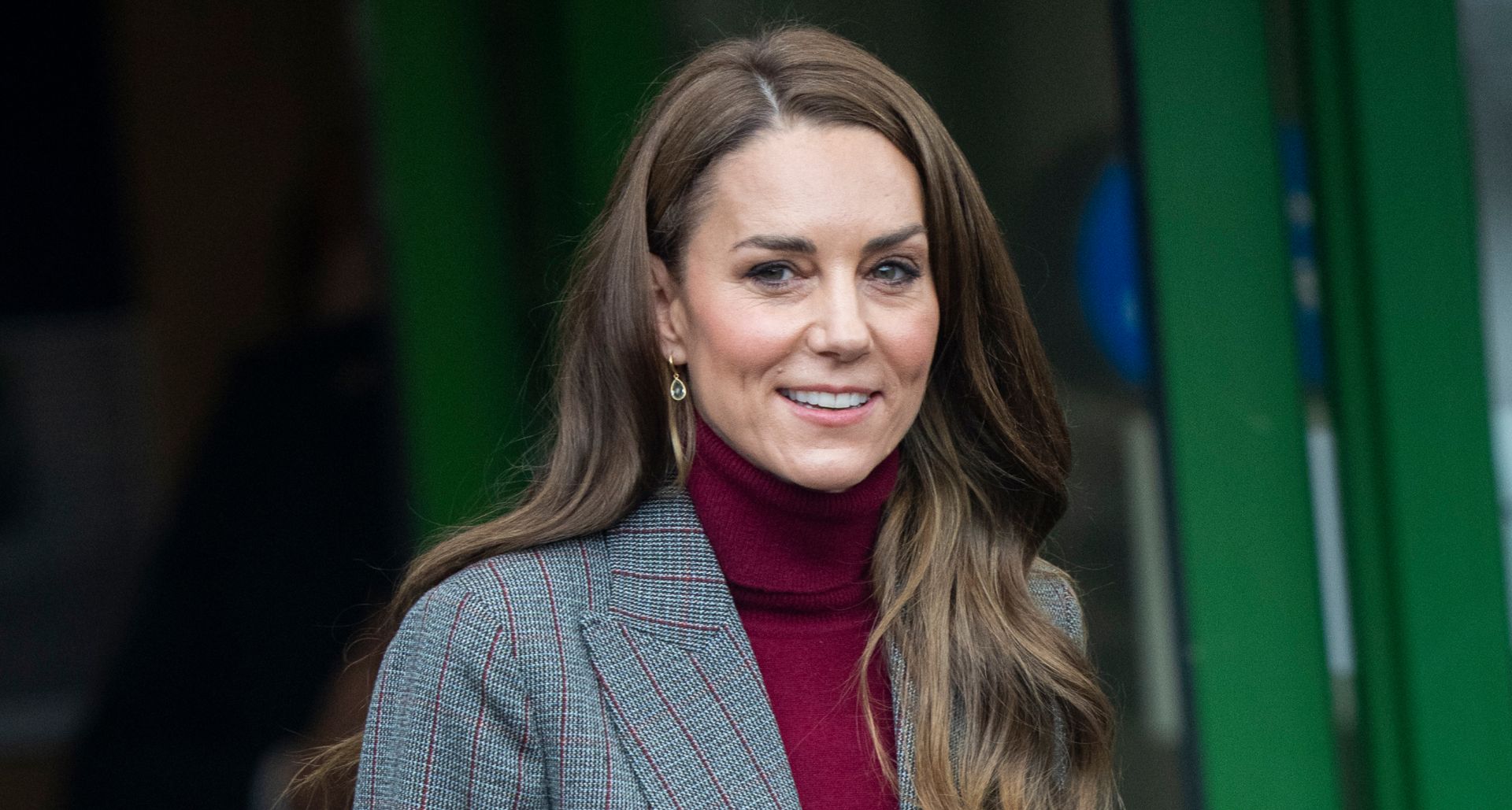
There is something profoundly unforced about the way the Princess of Wales has chosen to share her recovery story, and that restraint is precisely what makes it land with such weight. In a rare conversation with *Country Life*, guest edited by Prince William, she spoke with author Robert Macfarlane not about the specifics of her diagnosis or the mechanics of her treatment, but about the slower, quieter practice of healing through mind, body, and spirit. Our take is simple: this is not a celebrity health narrative dressed up for clicks. It is a deliberate, almost architectural, reframing of what it means to recover, one that prioritises interior restoration over public performance. For readers who have followed The Prince of Wales Quietly Pursues a Deeper Understanding of Women's Needs, this interview reads as a natural counterpart to his own reflective guest editorship, a shared interest in substance over spectacle.
What Kate offers here is not a timeline of milestones but a philosophy. She describes being told by doctors that recovery would not be linear, that there would be good days and bad days. This admission, delivered without drama, is perhaps the most radical thing she could have said. In a culture that rewards the illusion of seamless progress, she names the messiness of healing as a given. Her emphasis on nature as a sanctuary, "It doesn't ask anything of us. It doesn't judge us or expect us to perform", is not sentimental wallpaper. It is a practical prescription for anyone who has felt the pressure to "perform" wellness. She is saying that rest, reflection, and renewal are not delays in recovery; they are the recovery. This whole-person approach, which she now champions with first-hand authority, reframes illness not as a problem to be solved but as a state to be moved through with patience.
The image of her climbing the National Three Peaks to raise money for the hospital that treated her is striking for its quiet symbolism. She did not need to scale three mountains to prove she was well. She did it to channel her recovery into purpose, to let her body speak for itself. There is an intentionality here that echoes the same sensibility found in our coverage of Sentimental Heirlooms Speak Through Kate and Camilla's Remembrance Day Choices, a woman who understands that what we carry, whether a piece of jewelry or a physical challenge, gains meaning through the story we attach to it. Kate's story is not about toughness. It is about showing up, again and again, and letting the landscape hold what words cannot.
The specific detail to watch is how this philosophy will shape her public work going forward. She has long championed early childhood development, but this interview suggests a deepening. If she now speaks from a place of lived experience with serious illness, her advocacy around mental and physical health could shift from theoretical to intensely personal. The question is not whether she will return to full duties, but what kind of duties she will choose. A woman who has learned that recovery is not linear will not simply resume a calendar of appearances. She will design a rhythm that honours the body and the spirit. For those of us watching, that is not a soft conclusion. It is the most radical outcome of all.