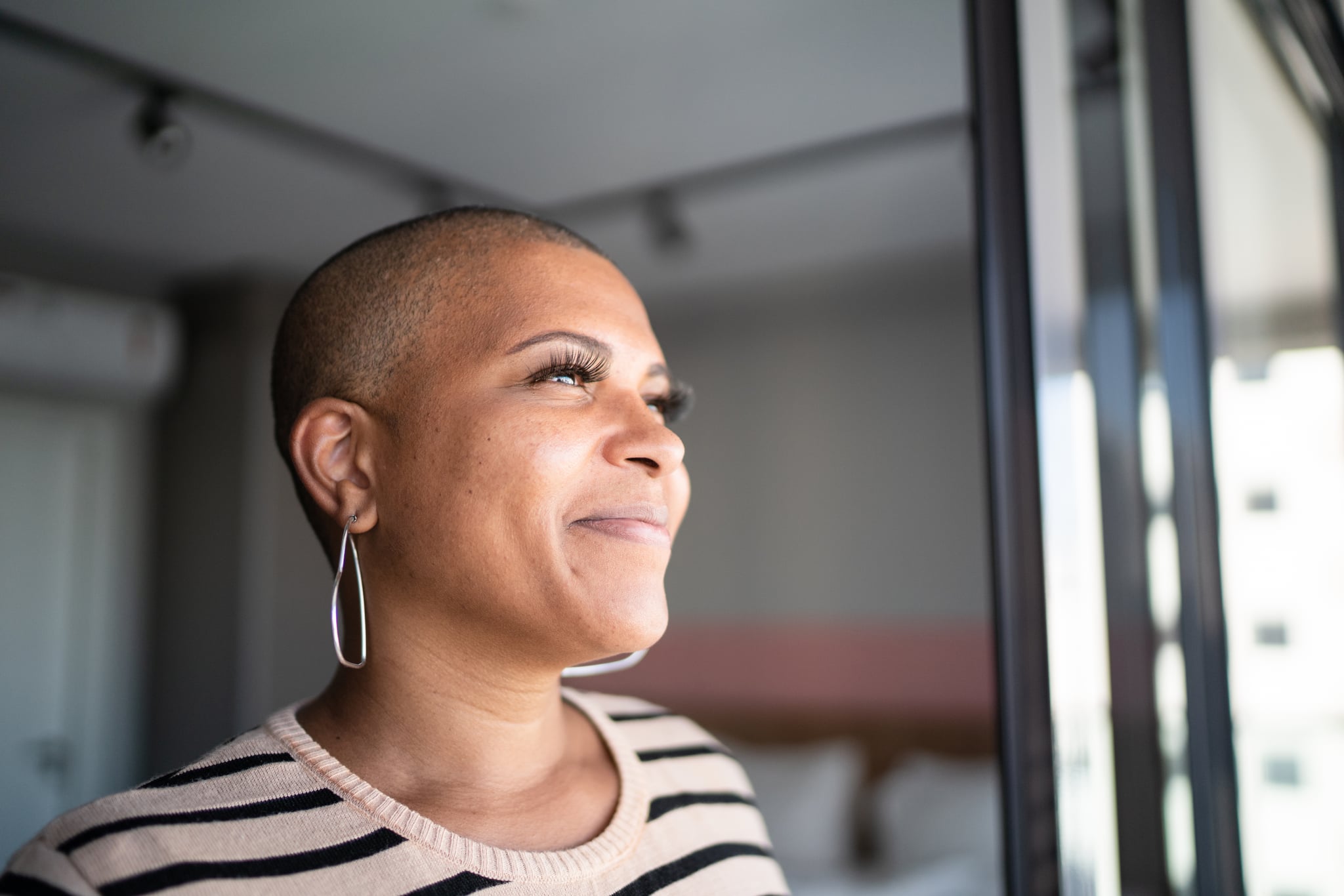
There is something almost unbearably quiet about the way Kommah McDowell describes her own memory slipping away. She does not rage against it. She simply notes the gaps: a sentence left unfinished, a name that will not return, a past event that has become a blank space where a story used to live. This is the reality of chemo brain, a phenomenon that is not a formal diagnosis but an experience shared by countless survivors who find themselves suddenly untethered from their own minds. It is a kind of silence that is not peaceful, and it asks us to reconsider what healing actually requires.
We have written before about the quiet paths women take toward recovery, Kate Middleton's Quiet Path to Healing Comes Into Focus showed us that restoration is rarely linear, and Early Detection, Not Age, Defines the Conversation reminded us that the timeline of illness is not ours to control. McDowell's story extends that conversation into territory we often avoid: the aftermath. She survived. She wrote a book called *Silver Lining: Cancer Was the Best Worst Thing That Ever Happened to Me*. But survival, she reveals, came with a cognitive cost that did not announce itself immediately. At first she thought the memory lapses were simple forgetfulness. Then she realized the fog was not just in the present, it was erasing the past too. That distinction matters, because it reframes chemo brain not as a temporary nuisance but as a fundamental shift in how a person relates to her own life story.
What strikes us most is the particular loneliness of this experience. Julia Park Tracey, another survivor, describes forgetting the word for "tears" and calling it "eye saliva" instead. That detail is not merely poignant; it is a precise portrait of what it feels like to lose the architecture of language from the inside. The experts tell us that inflammation, accelerated cellular aging, and the treatments themselves may be responsible, but the women living through it describe something more intimate: a self that no longer operates as it once did. McDowell has learned to take notes. She leans on people who can laugh with her about what she cannot recall. Tracey gave herself permission not to think on hard days, watching bland television and resting the mind. These are not medical interventions. They are acts of grace extended to oneself, and they suggest that managing chemo brain is as much about emotional permission as it is about cognitive strategy.
The practical takeaway here is direct and urgent: if you or someone you love is navigating cancer treatment, do not dismiss memory changes as mere stress or aging. Speak up. Occupational therapist Krysten Chadwick makes it plain, the brain is like a muscle, and it can be worked, but only if we stop treating these symptoms as invisible or shameful. The quiet aftermath of chemo does not have to be faced in silence. McDowell's laughter, Tracey's permission to rest, the simple act of writing things down, these are not small gestures. They are the scaffolding of a new kind of memory, built deliberately, one note at a time. The question her story leaves us with is not whether the fog will lift, but whether we are willing to meet our own minds with the same tenderness we offer our bodies.