We believe minoxidil deserves more respect than the beauty industry gives it. For years, it has been whispered about in dermatology waiting rooms and hidden behind branded serums that cost three times as much for half the proof. Meanwhile, eight million women in the UK are quietly losing hair and scrolling past the one ingredient that actually works. That is not a marketing failure. It is a cultural one. We have been trained to want the new thing, the sleek bottle, the peptide nobody has heard of yet. Minoxidil is not new. It is not sleek. It is a vasodilator discovered in the 1950s that happened to make people's hair grow, and it remains the most evidence-backed treatment trichologists can recommend. That quiet authority, proven, unglamorous, patient, is exactly what we should be paying attention to. It reminds us of something we explored recently in The Quiet Power of Choosing What You Know You Need: the confidence that comes from ignoring the noise and trusting what your own body tells you is right. What makes minoxidil worth understanding is not just that it works, but how. It widens blood vessels to bring oxygen and nutrients to the follicle. It lengthens the growth phase of the hair cycle, keeping strands in active development for longer. And for those with pattern hair loss, the most common form women experience, it can reverse the gradual shrinking of follicles that produces thinner, weaker hair. Trichologist Tiffany Hall explains that minoxidil helps those fine hairs grow thicker and stronger again. That is not a cosmetic claim. It is a physiological intervention. But the nuance matters: minoxidil must be activated by an enzyme present in the scalp, and not everyone has enough of it. Hall recommends a genetic test called TrichoTest to determine whether your body will respond before you commit to months of daily application. That kind of precision, knowing before trying, is the opposite of the trial-and-error approach most of us have accepted as normal. It is the same intentionality we wrote about in Amid chemo's uncertainty, small hobbies become quiet anchors of joy, where the small, consistent practices become the things that actually hold. There are drawbacks, and they deserve honest air. Topical minoxidil can cause scalp irritation, dryness, and itching, manageable with a good shampoo, says trichologist Eva Proudman, but real. Some users report unwanted facial hair growth if the product drips onto the skin or is absorbed systemically. Proudman sees 250 patients a month and calls that side effect minimal, but it is not zero. And the commitment is not trivial: once you start, you cannot stop without losing the gains. That is not a flaw in the ingredient; it is the nature of treating a chronic condition. Pattern hair loss does not cure itself. Minoxidil maintains the results it creates. The question is whether that maintenance feels like a burden or like an act of self-care. The answer depends on how you frame it. If we can reframe the daily application as a ritual rather than a chore, a quiet, two-minute act of tending to something you value, then the conversation shifts. It becomes less about what you are losing and more about what you are choosing to keep. That is the kind of shift we saw in The Quiet Shift That Unlocked Lasting Weight Loss for This Mother of Two: lasting change came from adding one intentional practice, not from overhauling everything. Our take is this: minoxidil is not a miracle. It is a tool, and a well-studied one. The real question is whether you are ready to commit to the consistency it requires. The women who see results are not the ones who buy the bottle. They are the ones who apply it every single day, who accept that the first few weeks may bring a temporary shed as old hairs cycle out, who understand that this is a long-term relationship with their own reflection. That is not for everyone. But for the woman who is tired of guessing, tired of scrolling, tired of spending on hope in a dropper bottle, minoxidil offers something rare: a straight answer.
personal growth
The quiet authority of minoxidil for hair density
Minoxidil has long carried a clinical reputation, effective, yes, but clinical.
4 min read Latest from Who What Wear
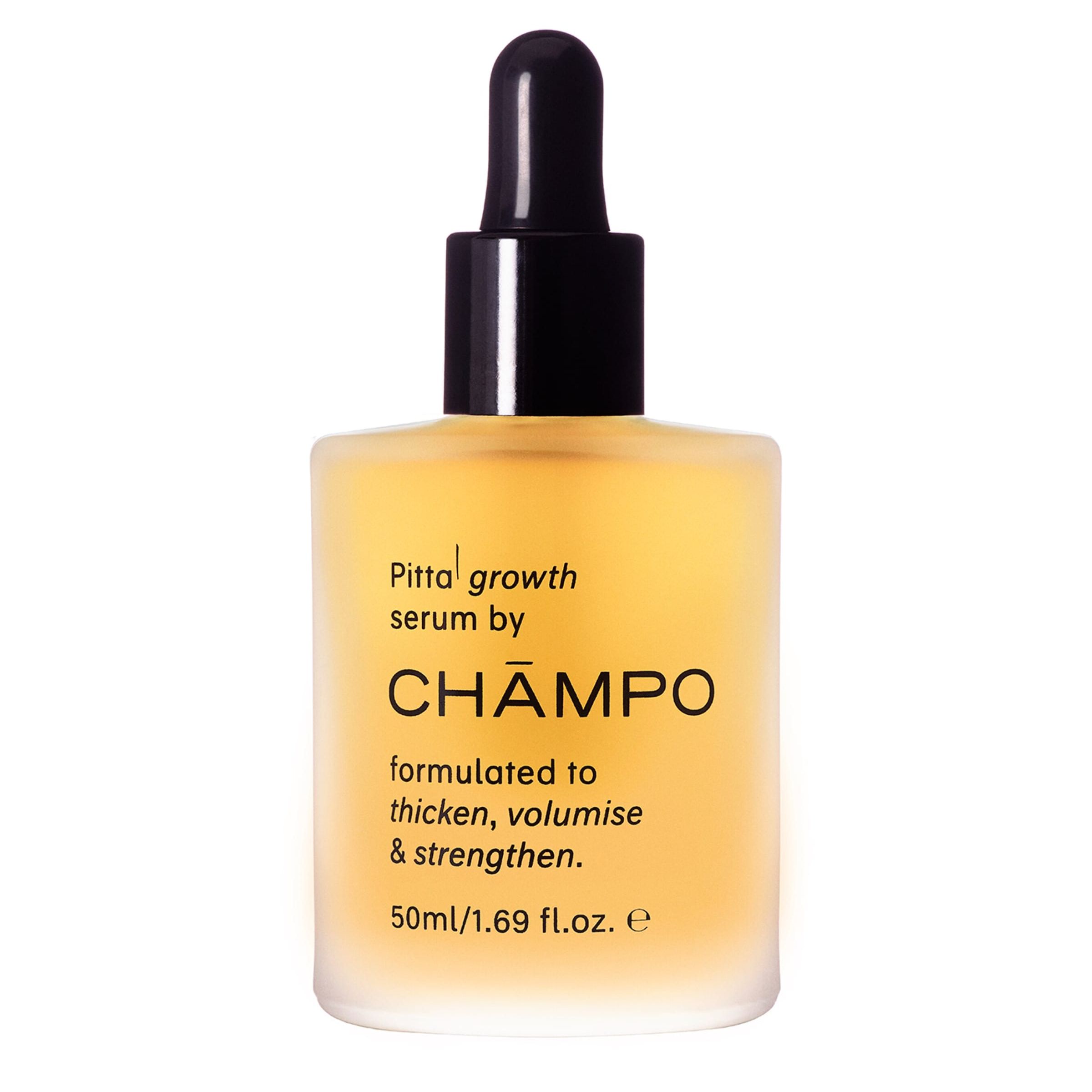
If you're one of the estimated eight million women in the UK experiencing some form of hair loss, chances are you've found yourself scrolling through the ever-expanding world of hair-growth treatments in search of something that actually works. From scalp serums and peptide-packed formulas to LED light-therapy devices and supplements promising thicker, fuller strands, the options can feel endless, which makes knowing which are worth the investment another matter entirely.
While hair-growth products have exploded in popularity in recent years, there is one ingredient that trichologists agree is still the most evidence-backed option: minoxidil.