The Scandi Trends About to Be Everywhere, According to Copenhagen Fashion Week
Our take
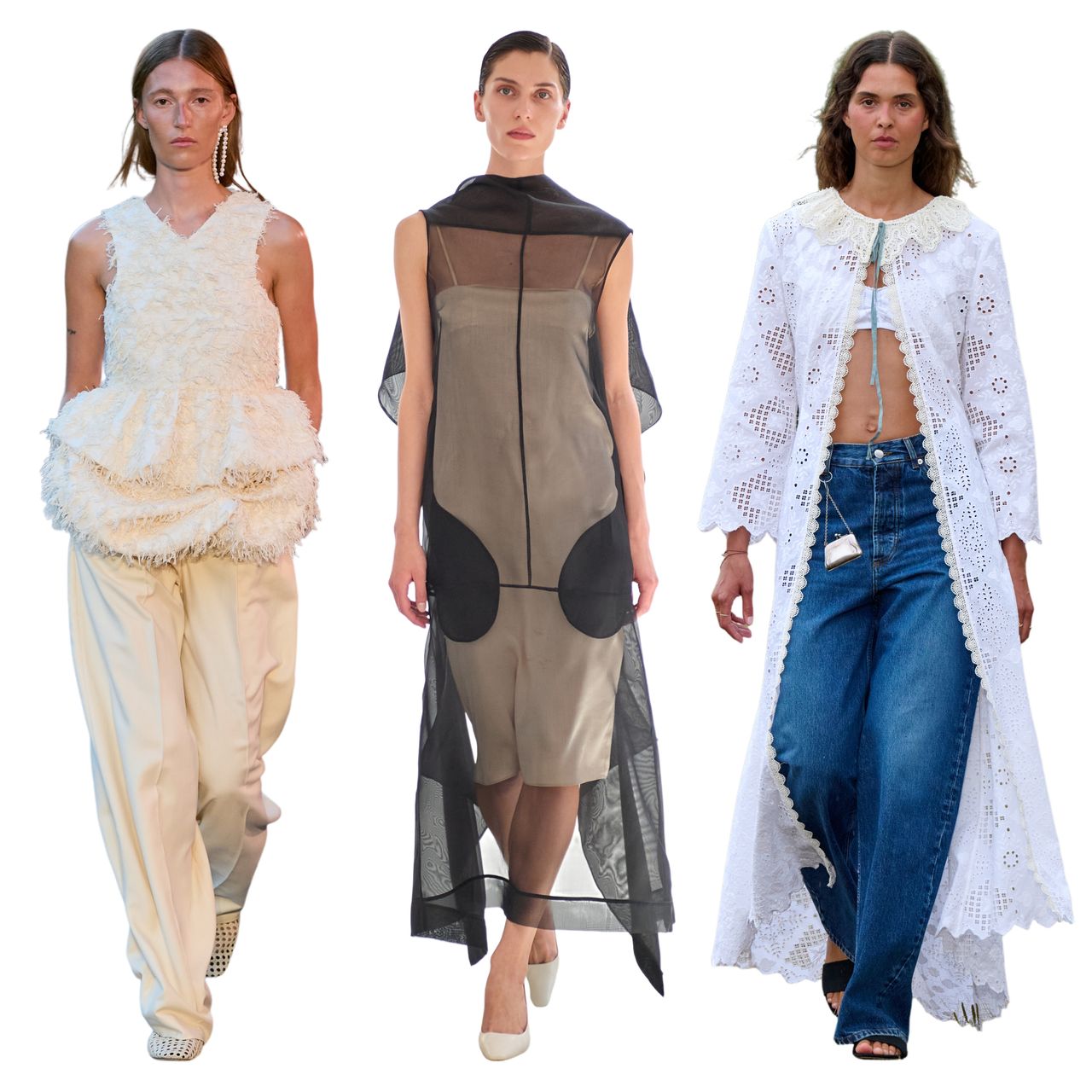
The whispers from Copenhagen Fashion Week have solidified: a shift is underway, a subtle recalibration of the Scandinavian aesthetic that moves beyond the minimalist rigidity of recent years. The Spring/Summer 2027 collections, as reported by Marie Claire, point towards a softened, more textural approach—gauzy layers, unexpected shades of green, and a playful embrace of floating fringe. This isn't a radical departure, but rather an evolution, a deepening of the Scandi sensibility that acknowledges a desire for both comfort and quiet elegance. It feels particularly relevant given the broader cultural conversation around mindful consumption and a rejection of fleeting trends; this feels grounded, almost timeless, despite its freshness. We’ve seen similar explorations of relaxed silhouettes and natural fabrics in other corners of the fashion world, as evidenced by the styling ideas explored in [I Spent a Week in Copenhagen—These 4 Trends Are Coming Home With Me] and the way Jennifer Lopez recently brought a key Copenhagen trend to Los Angeles with a Free People top, proving its broader appeal [Jennifer Lopez's Under-$50 Free People Top Brings Copenhagen's Biggest Fashion Week Trend to L.A.].
The emphasis on “oddball greens” is particularly intriguing. While muted neutrals will always hold a place in the Scandi wardrobe, this introduction of less predictable colors suggests a willingness to experiment, to push beyond the familiar. It speaks to a growing desire for individuality within a framework of understated sophistication. The gauzy layers, too, feel like a response to a climate increasingly demanding breathable, adaptable clothing. It's less about making a statement and more about creating a feeling—one of ease, lightness, and connection to nature. This contrasts with the maximalism that has pulsed through other fashion capitals, offering a refreshing counterpoint. The floating fringe, while seemingly a more playful detail, contributes to this overall sense of movement and fluidity, preventing the aesthetic from feeling static or overly serious. It’s a delicate balance, and Copenhagen’s designers appear to be navigating it with remarkable grace.
Beyond the specific trends, what’s most compelling about Copenhagen Fashion Week is the underlying philosophy. It’s a celebration of longevity, of pieces designed to be cherished and worn for years to come. This aligns perfectly with the growing consumer awareness of the environmental and ethical impact of fast fashion. The focus on quality materials and thoughtful construction speaks to a desire for investment pieces, items that transcend fleeting trends and become staples in a well-curated wardrobe. Consider how Anne Hathaway recently styled maternity jeans with a daring color combination, showcasing a sense of effortless cool that exemplifies this longevity-driven approach [Anne Hathaway Styles Cool-Mom Maternity Jeans With Summer's Most Daring Color Combination Trend]. It’s about creating a personal style that feels authentic and enduring, rather than chasing the latest fleeting fad.
Ultimately, the Scandi trends emerging from Copenhagen Fashion Week feel less like prescriptive dictates and more like gentle invitations. They offer a pathway towards a more considered, more sustainable, and ultimately more beautiful way of dressing. The emphasis on texture, fluidity, and unexpected color palettes allows for personal expression within a framework of quiet confidence. The question now is: will this shift towards a softer, more emotionally resonant Scandi aesthetic continue to gain momentum, influencing not only the runways but also the wardrobes of women worldwide, or will it be absorbed and diluted by broader trends? It's a space to watch closely, as it reflects a deeper cultural shift towards mindful living and a more nuanced understanding of style.
Unofficially dubbed the “Happiest Fashion Week on Earth,” Copenhagen Fashion Week has long offered a spirited prelude to the Fashion Four, with its mix of emerging talent, cult-favorite labels, and distinctly Scandi irreverence. Spring/Summer 2027 carried extra significance as the event celebrated the second half of its 20th anniversary, bringing together homegrown names, returning heavyweights, and a growing international presence.
New York’s Collina Strada became the first designer to participate in CPHFW’s new international guest program, bringing Hillary Taymour’s off-kilter whimsy to Denmark's capital. Meanwhile, Scandi powerhouse Ganni returned from Paris Fashion Week's calendar, where it has been showing for the past few years, and reunited with zero-waste textile studio Stem on a series of upcycled looks. By Malene Birger also came back to the schedule after a six-year hiatus.
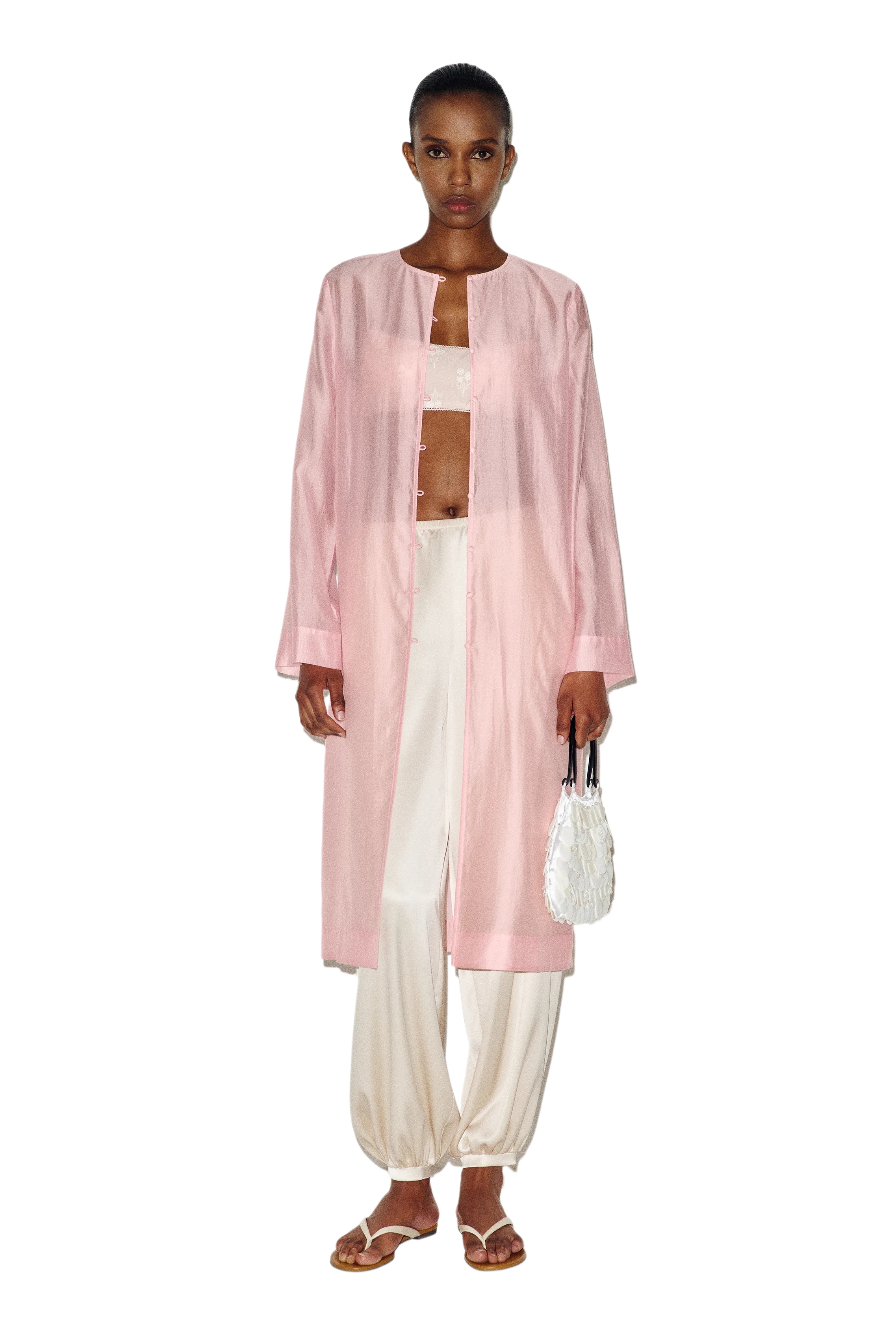
On the runways, the mood was dreamier than in seasons past. Romance emerged through layers of gauzy, semi-sheer fabrics, eyelet details, and trailing dusters. At Skall Studio, the effect took on a pastoral feeling, with prairie-inspired layers, delicately boho dresses, boater hats, and straw baskets offering a refined (and Jane Birkin-approved) take on countryside dressing. At Anne Sofie Madsen, transparency and fluid layering made the mood feel more sensual. Even tailoring became lighter on the runway of The Garment, where feminine proportions and lace trims softened more structured silhouettes.
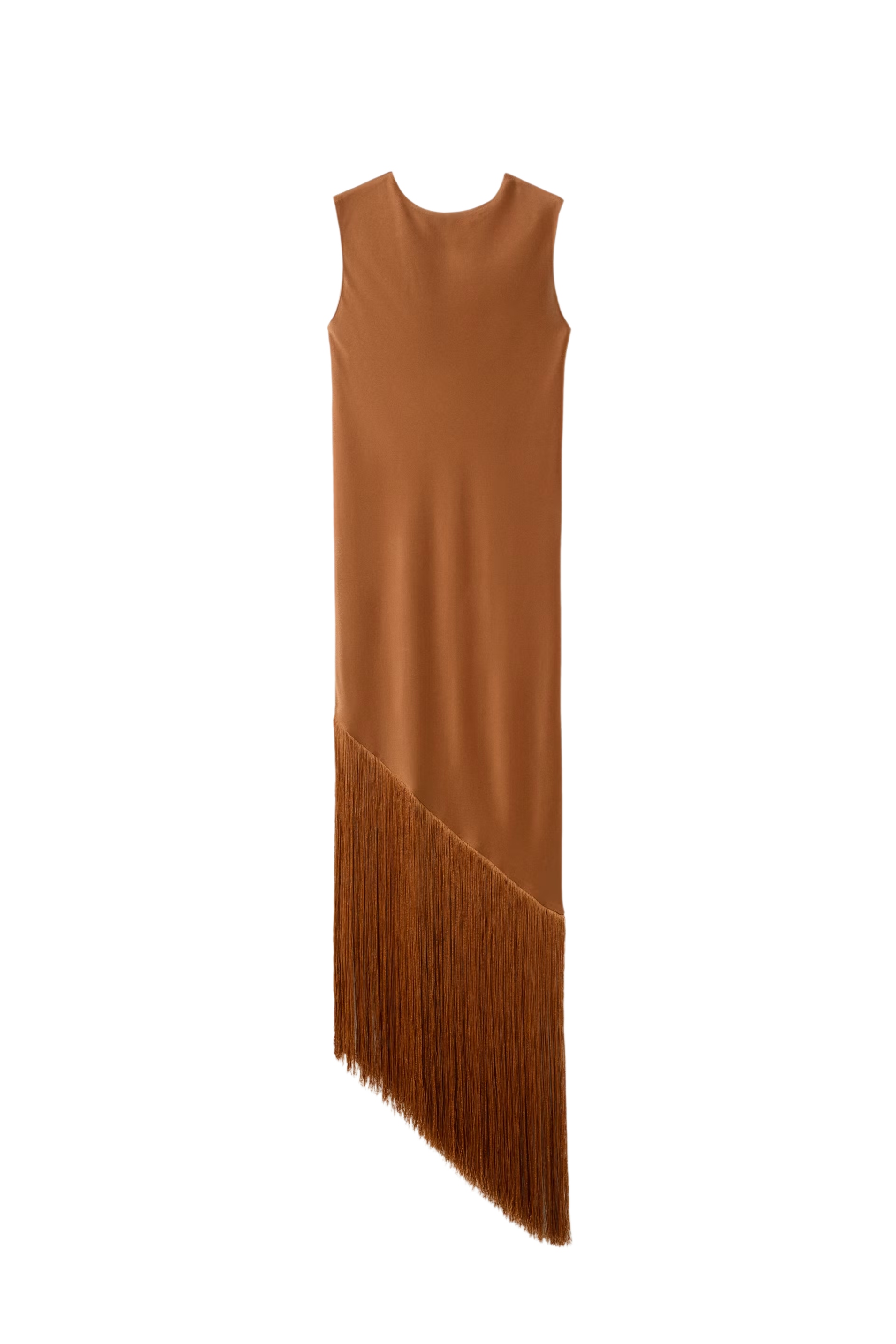
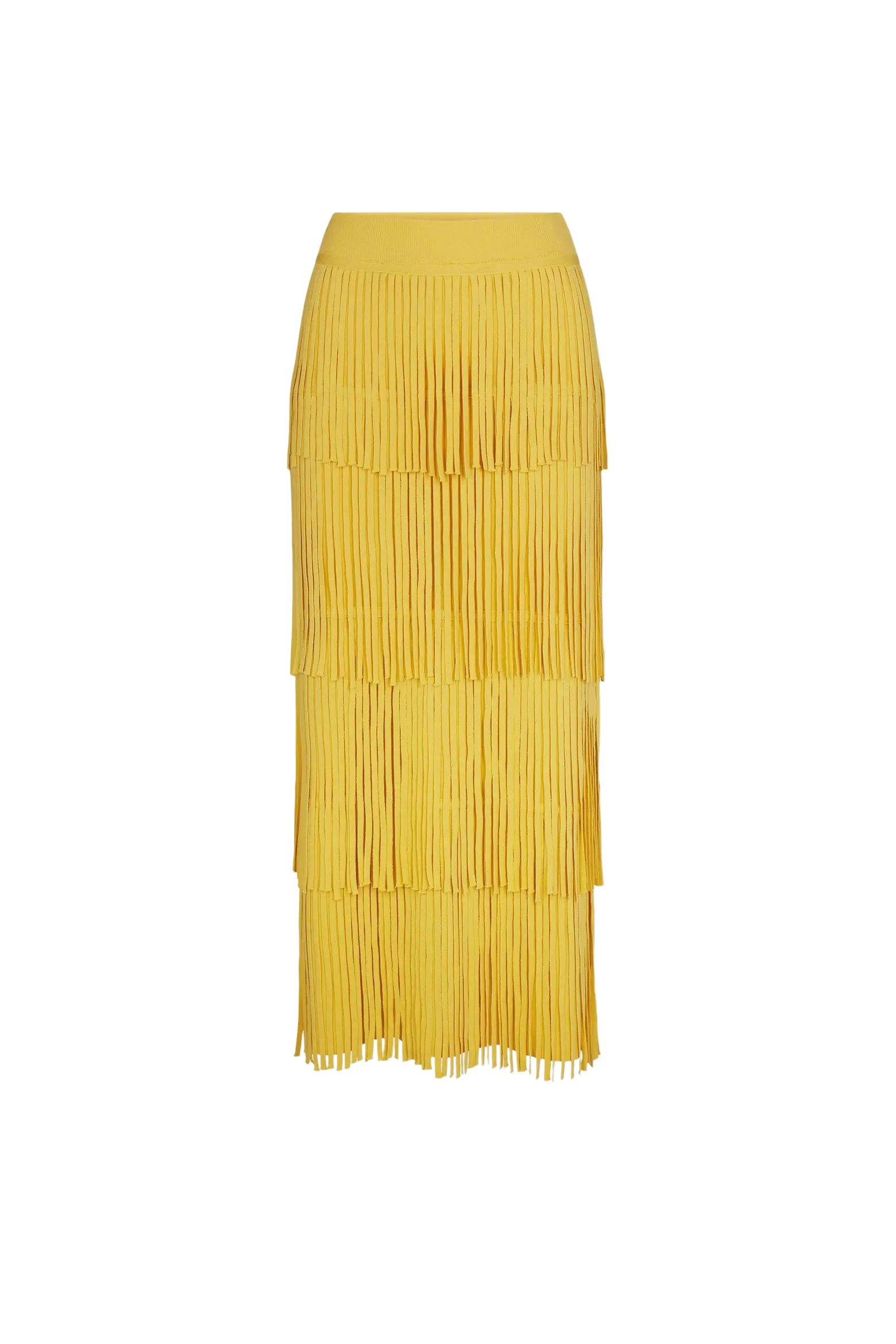
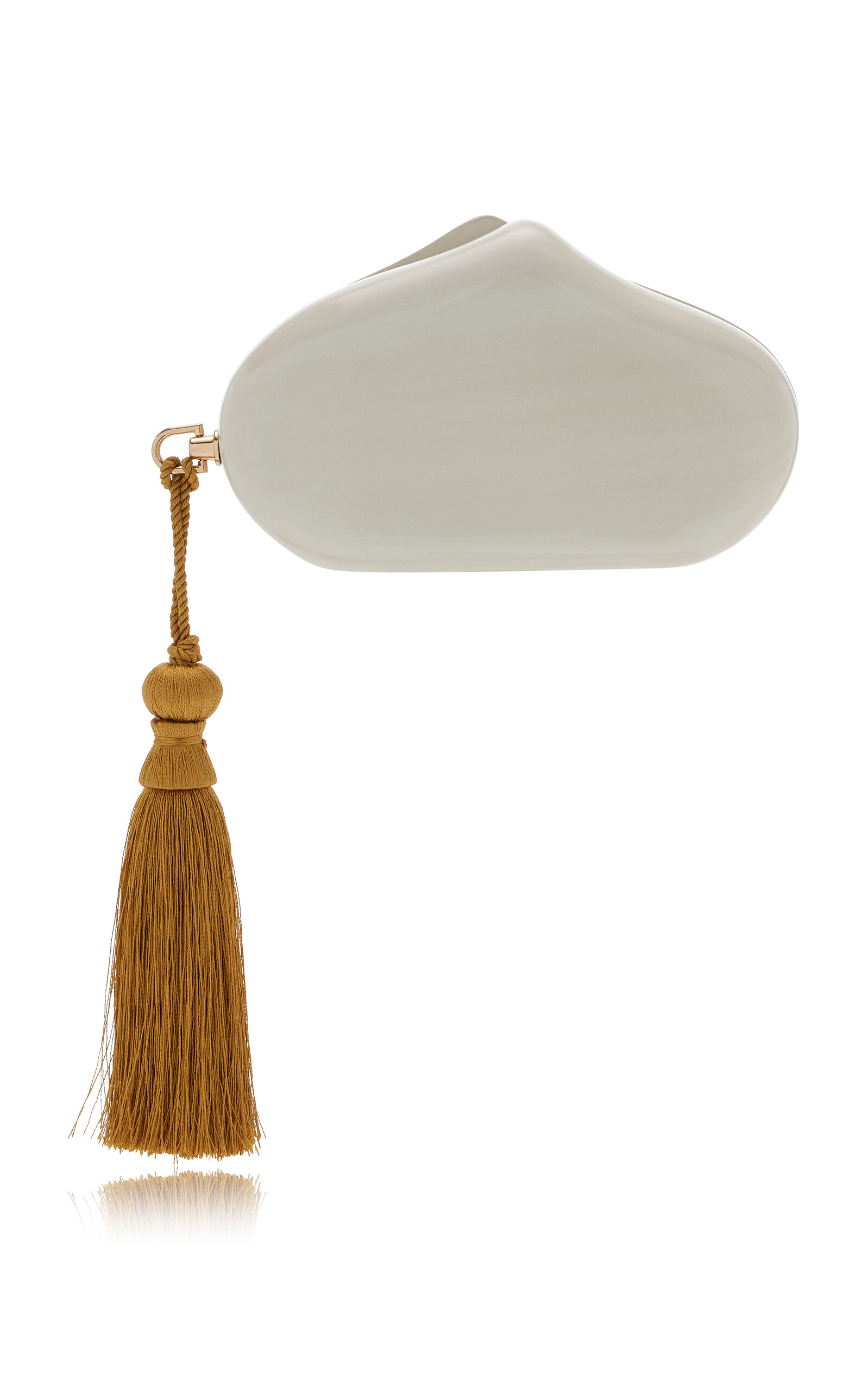
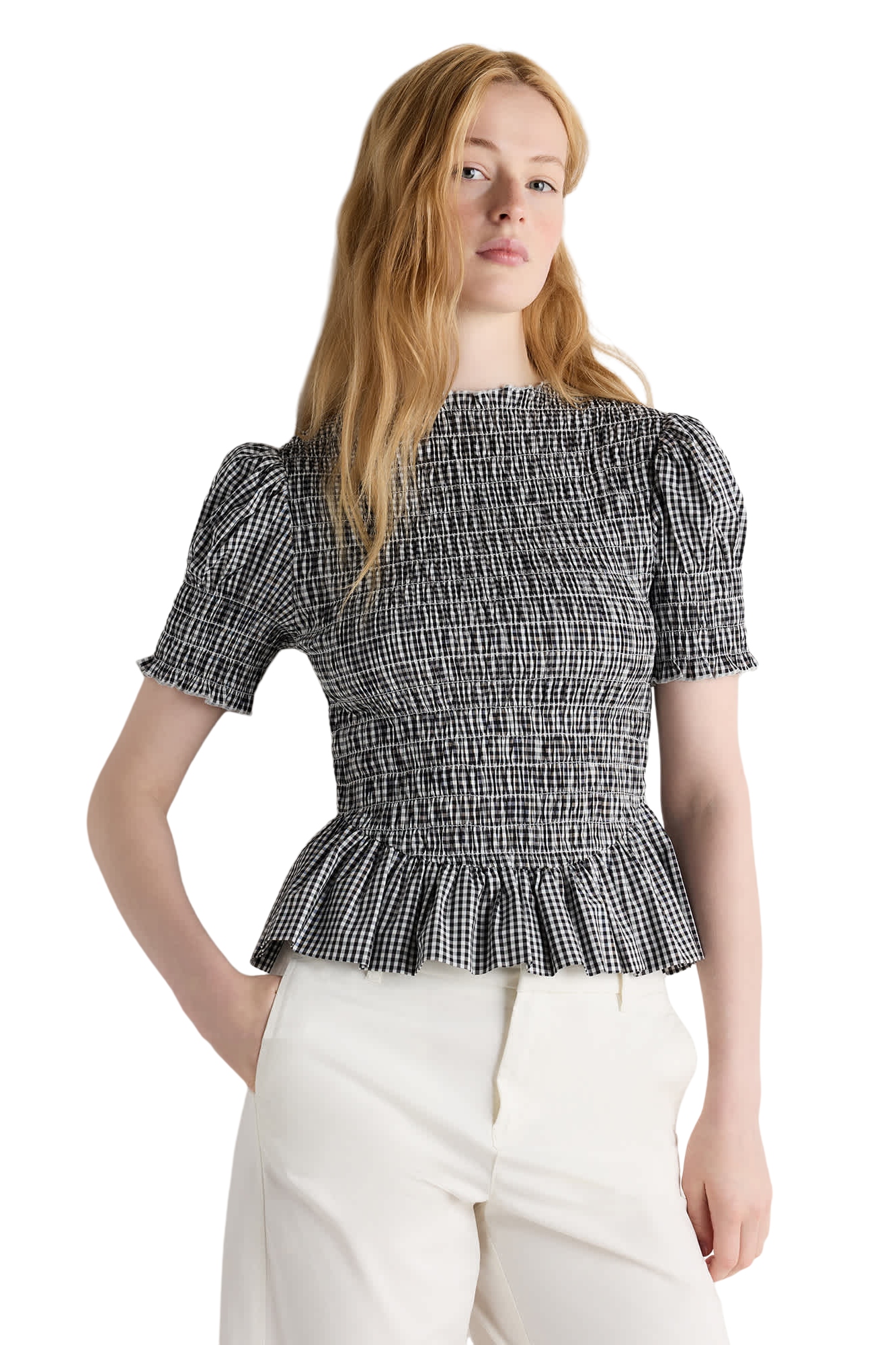
Still, Copenhagen did not abandon the charm and eccentricity that have made its fashion identity so beloved by fashion insiders. Peplums brought unexpected volume to the waistlines, and fringe and tassels appeared on hems, adding movement and playfulness to otherwise simple separates.
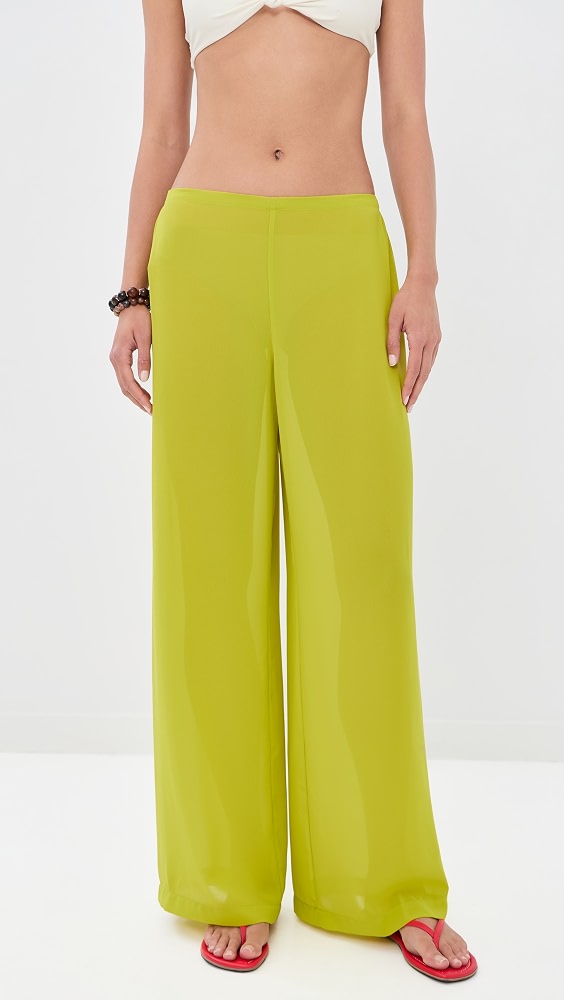
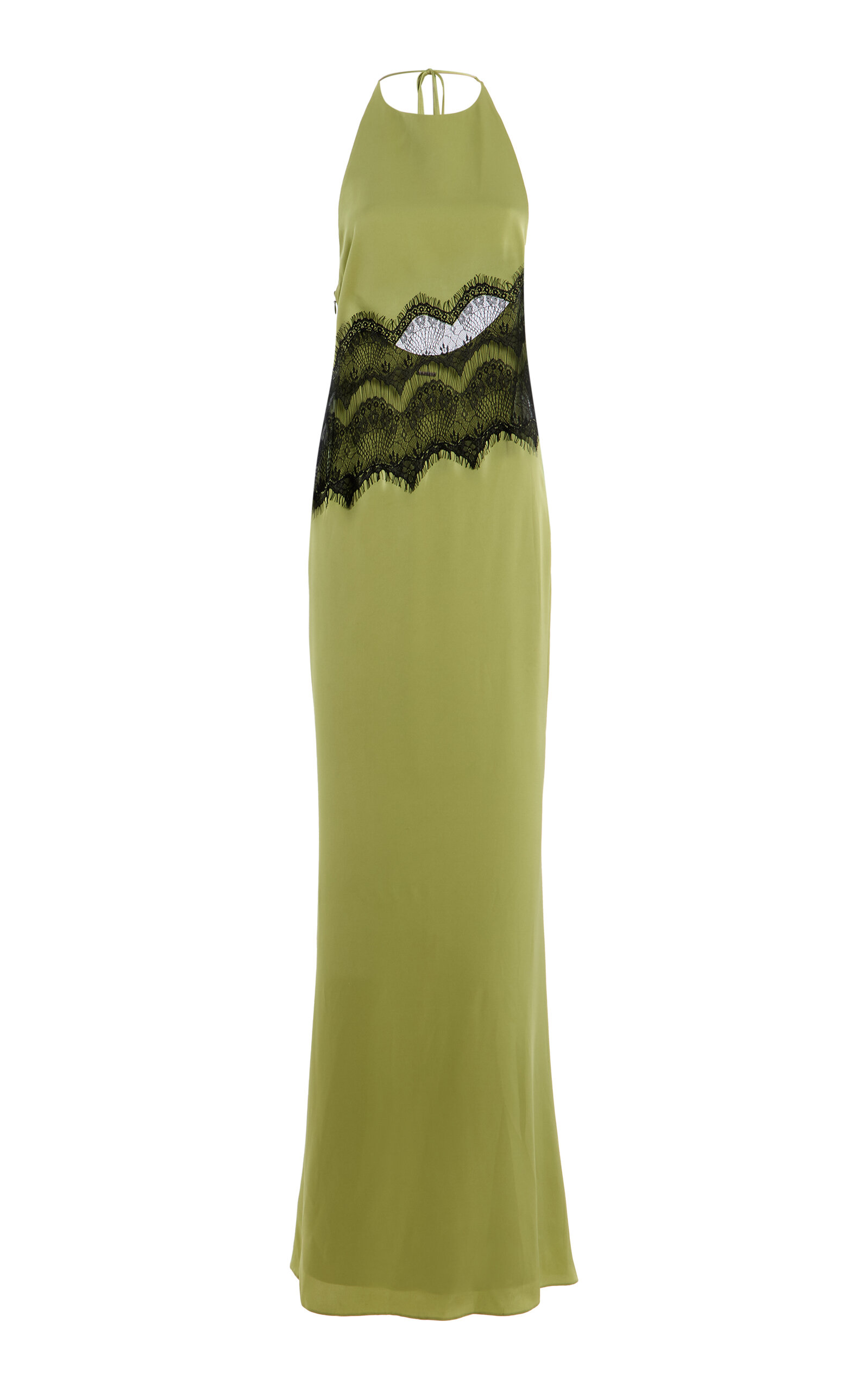
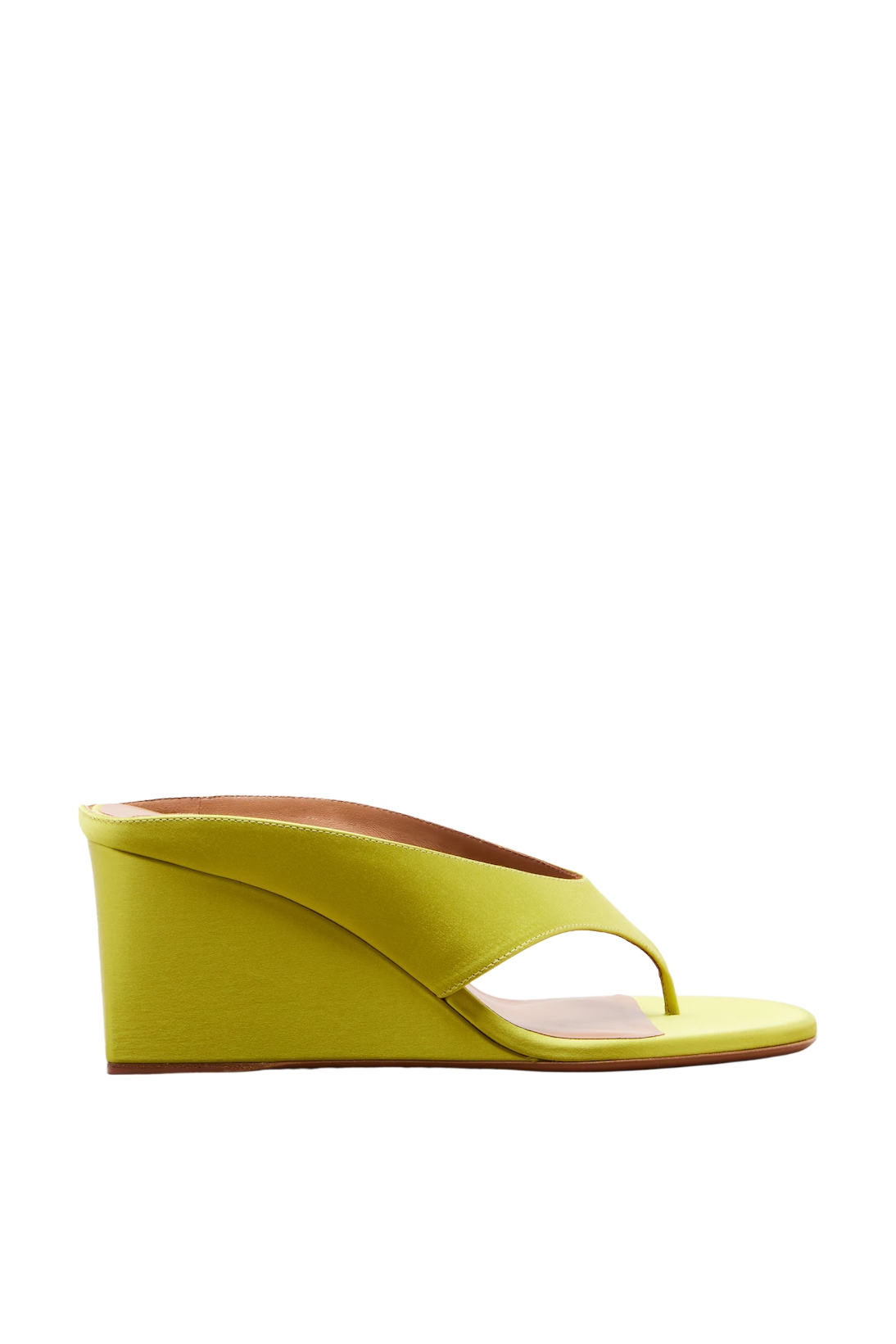
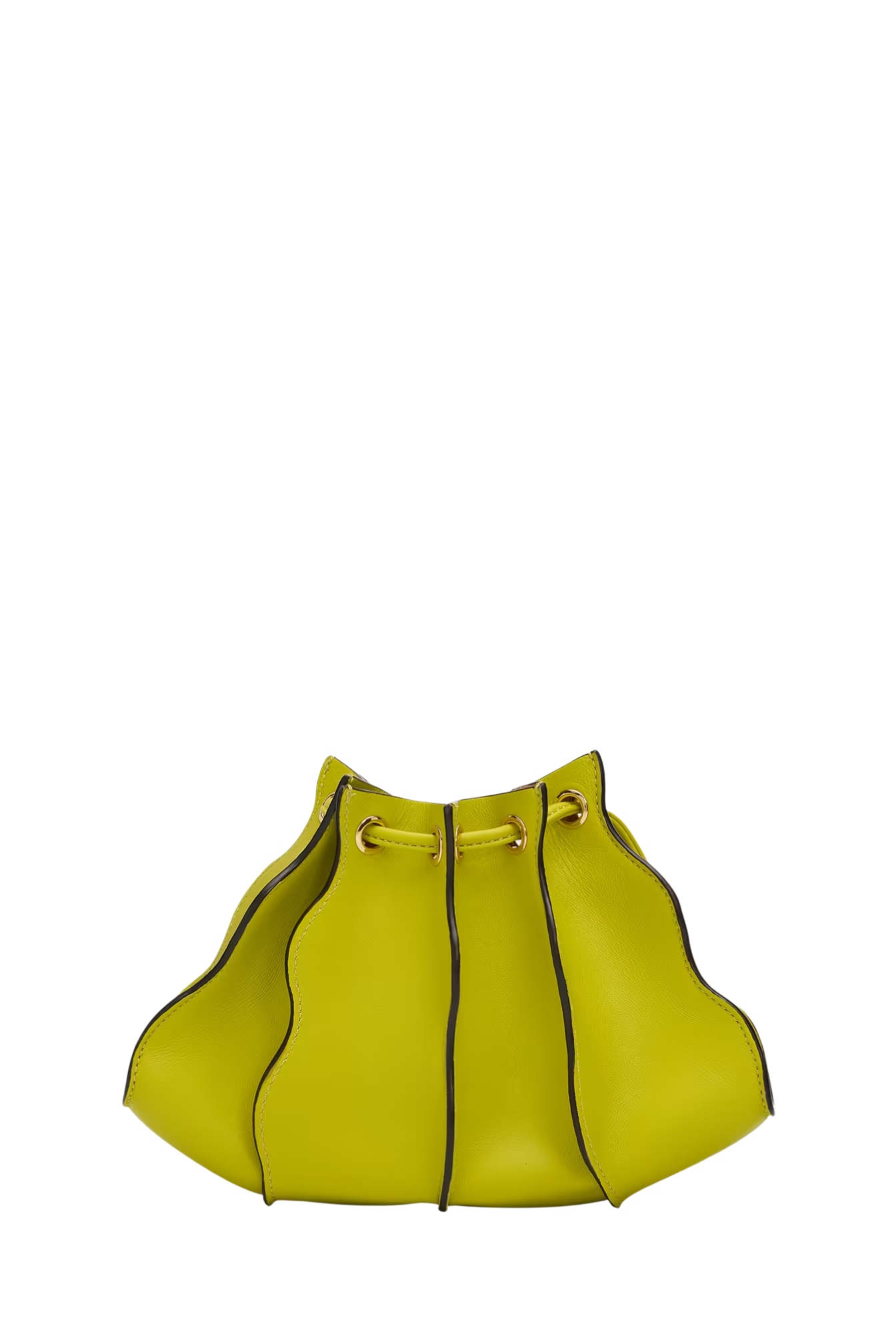
That push and pull extended to the palette. Familiar Scandinavian neutrals—optic whites, creams, sandy browns—provided a minimalist foundation, while saturated pinks, reds, and vivid blues added brighter counterpoints. Green, meanwhile, continued its ascent in color trends, with unconventionally pretty shades of chartreuse, moss, and other slightly oddball, frog-adjacent hues.
If last week's showcases are any indication of what’s to come in New York, London, Milan, and Paris in the next two months, Spring/Summer 2027 is shaping up to be lighter, brighter, and more ethereal. Ahead, the biggest trends from Copenhagen Fashion Week.
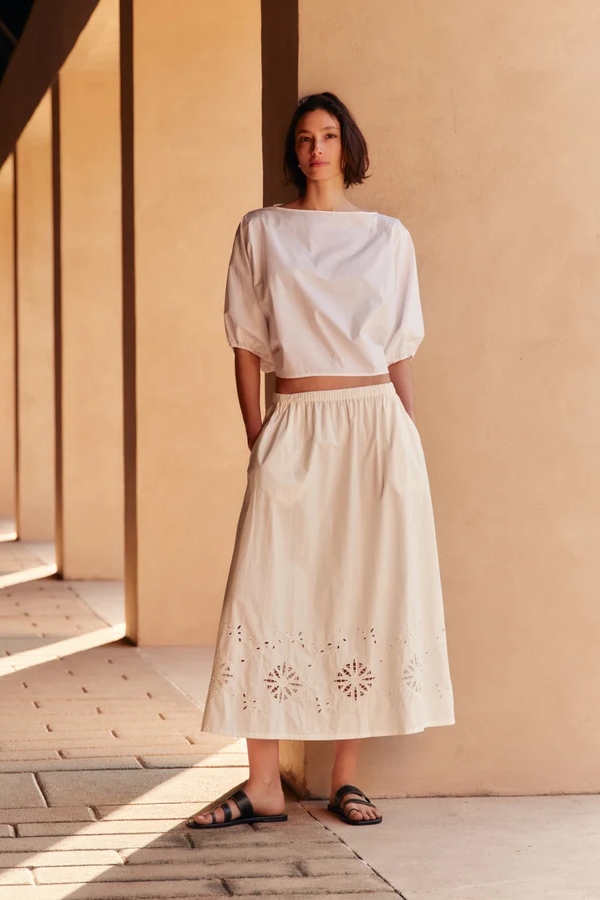
Whiteout
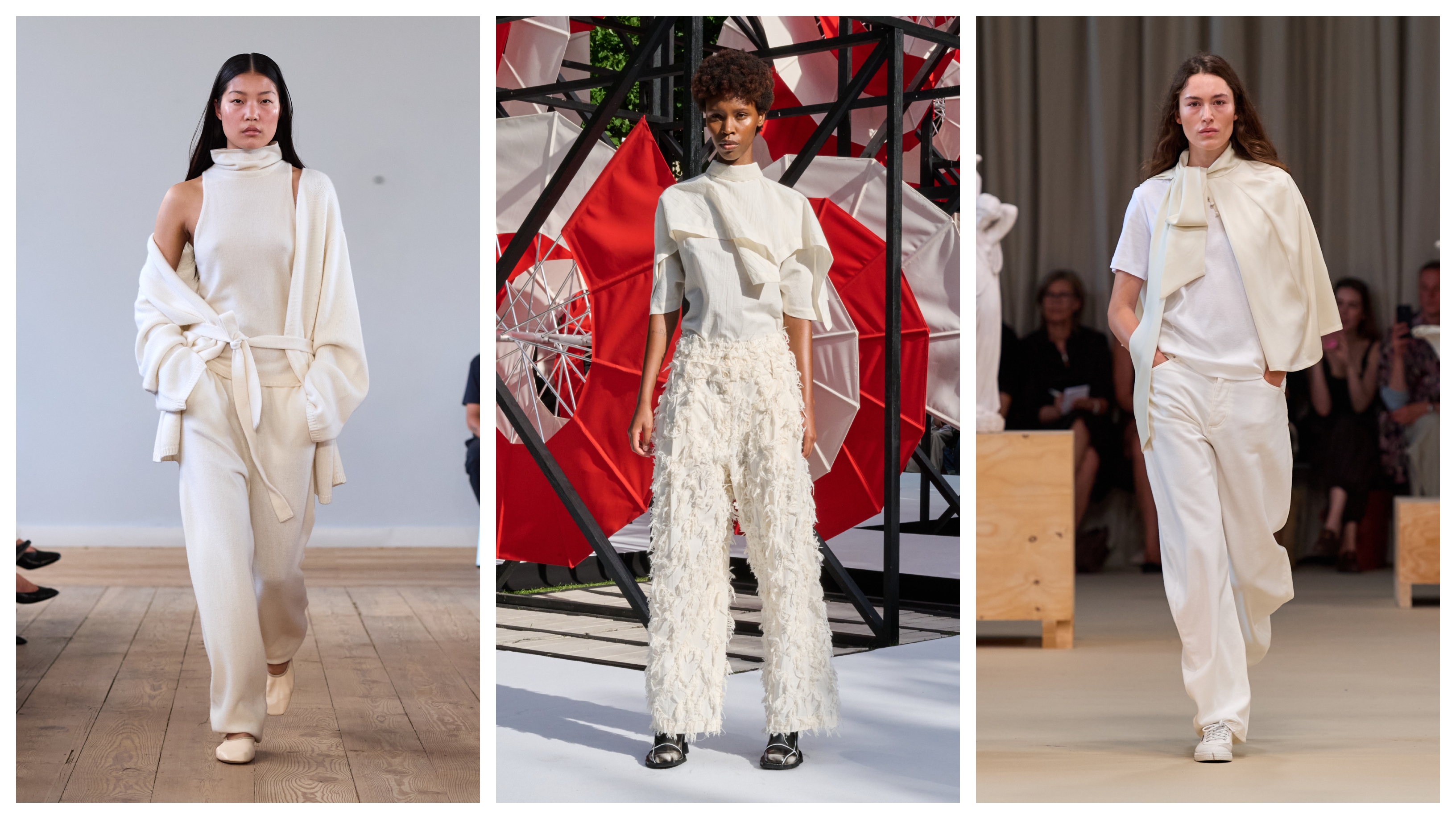
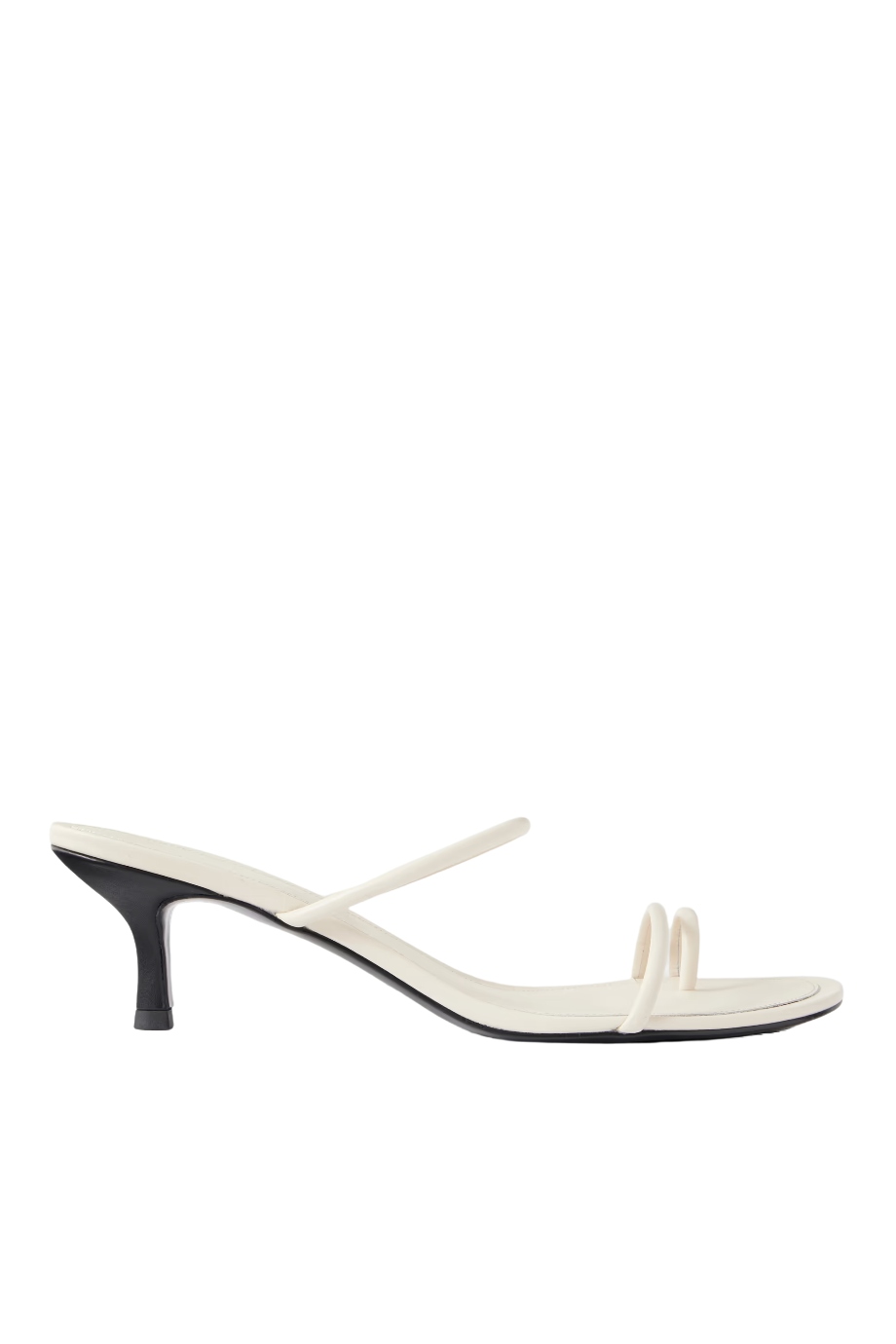
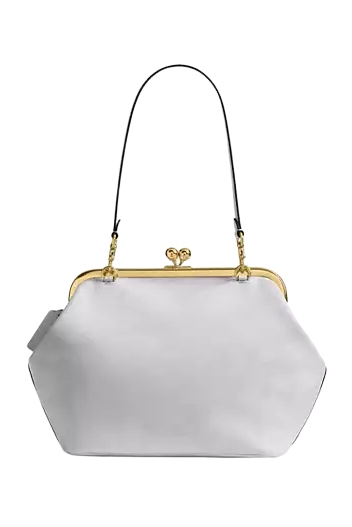
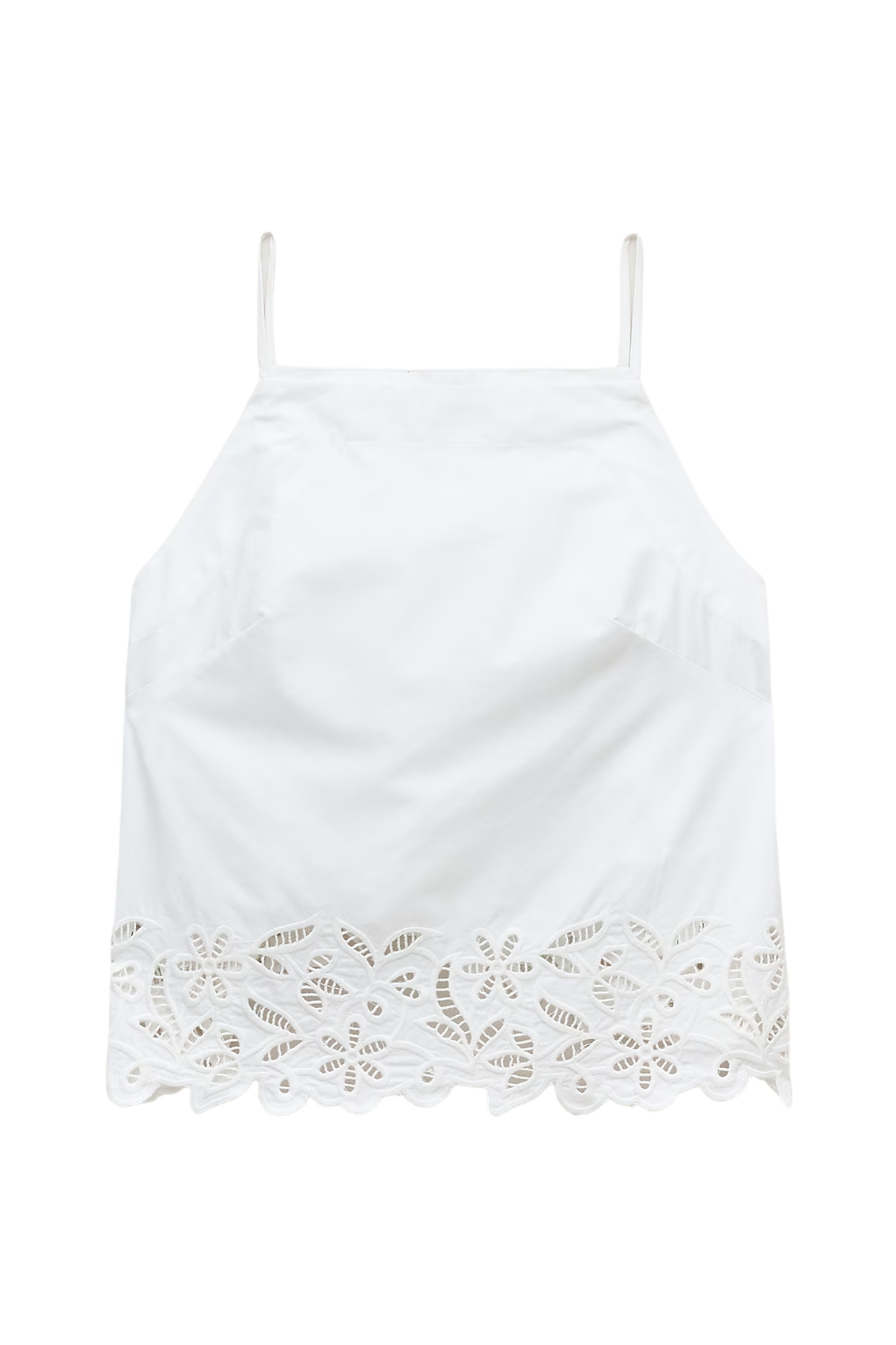
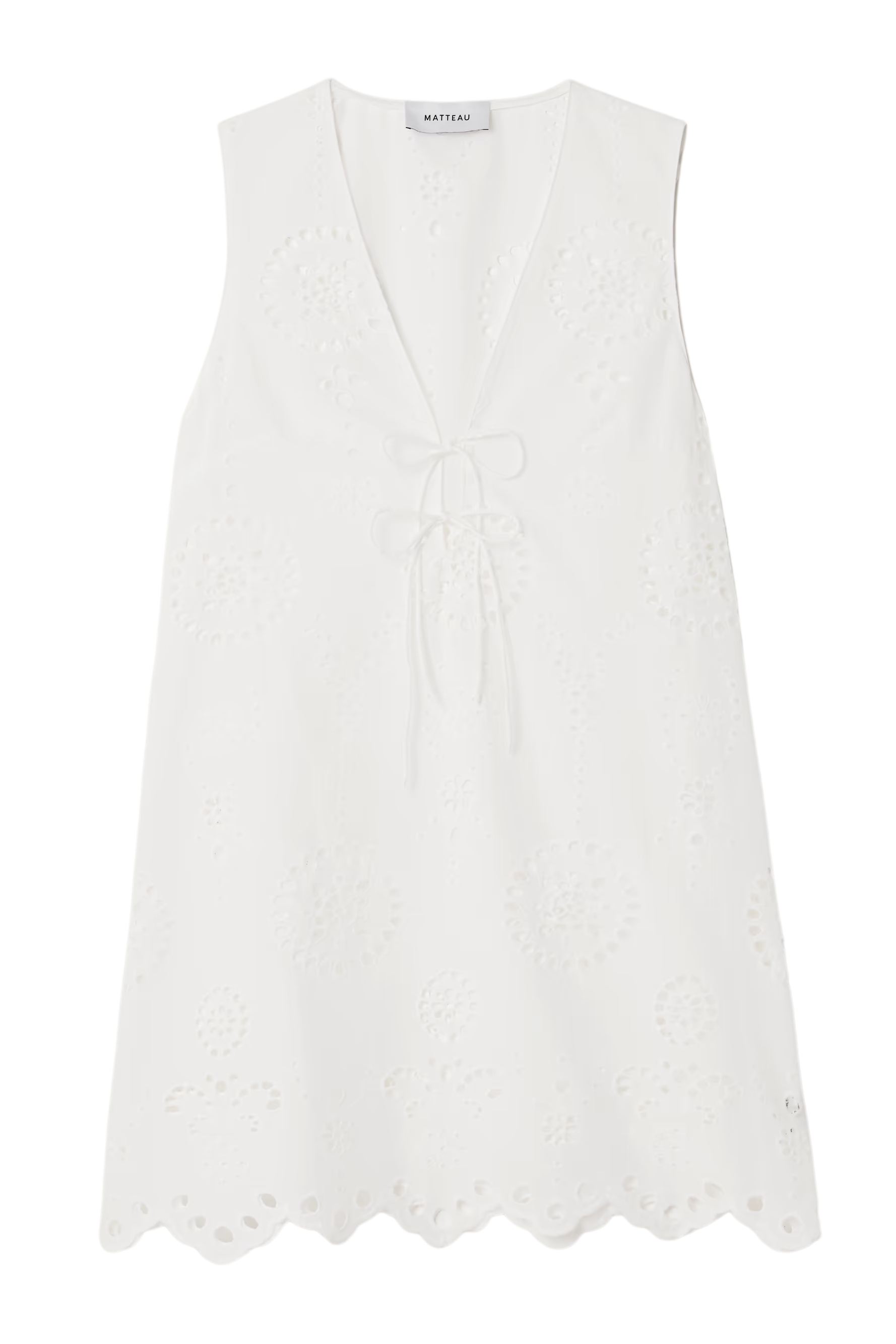
Forget a little white dress. For Spring/Summer 2027, Copenhagen designers made a case for dressing in white head-to-toe. Relaxed tailoring and flowy separates gave the non-color plenty of dimension, proving minimalism doesn’t have to be boring. The best looks played with texture, layering, and transparency, creating outfits that felt light, romantic, and made for high summer.
Fringe Benefits
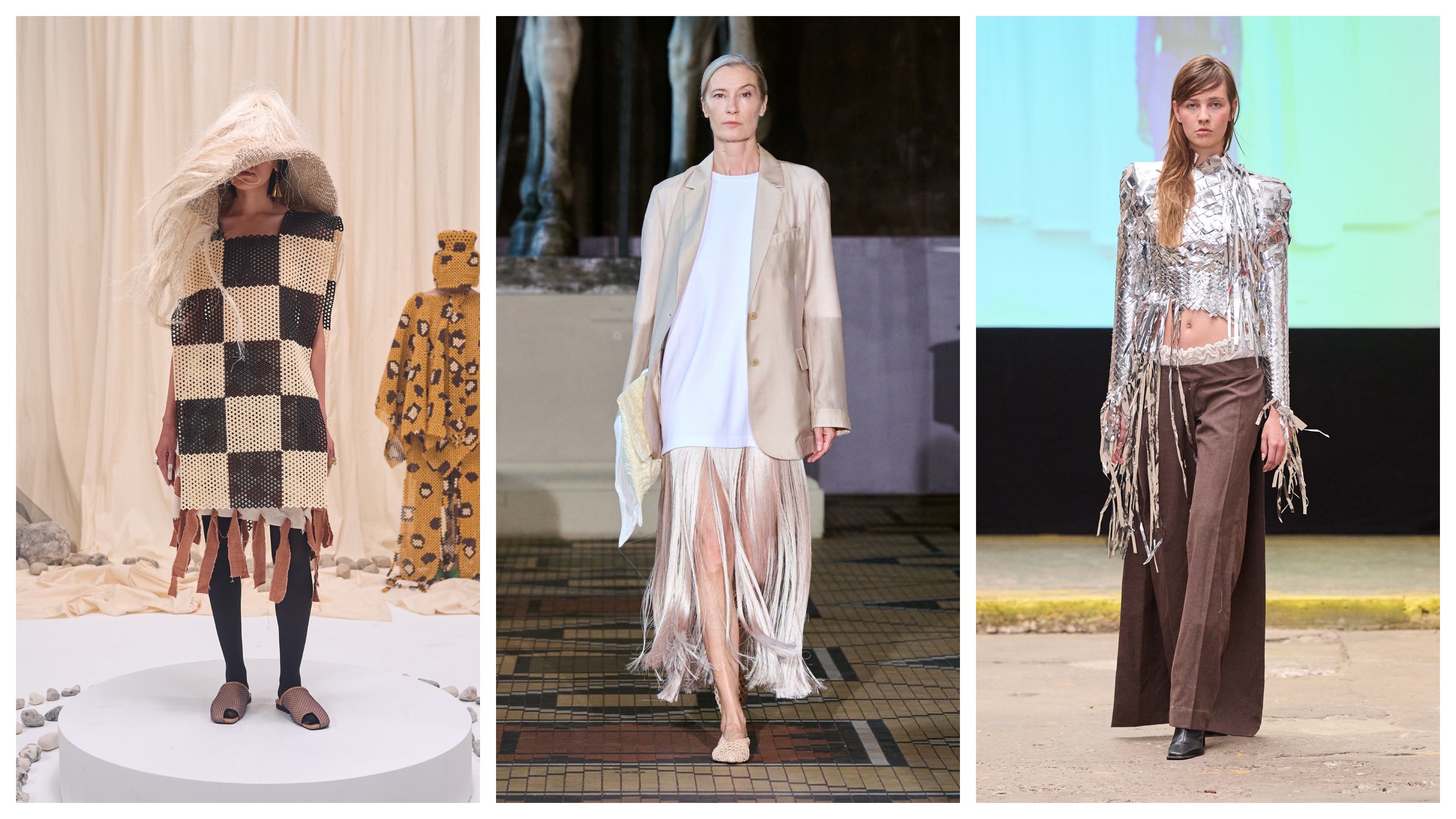
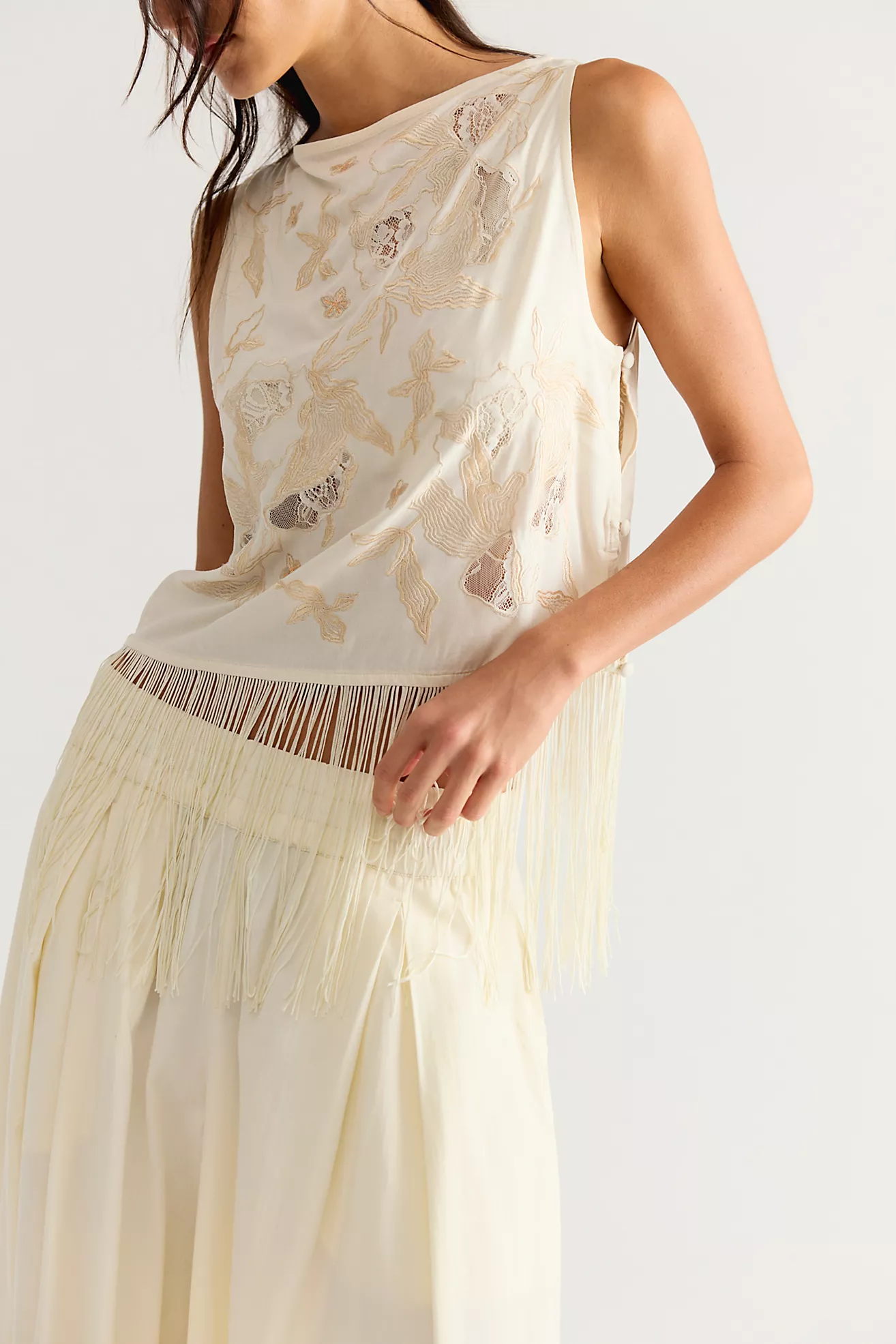
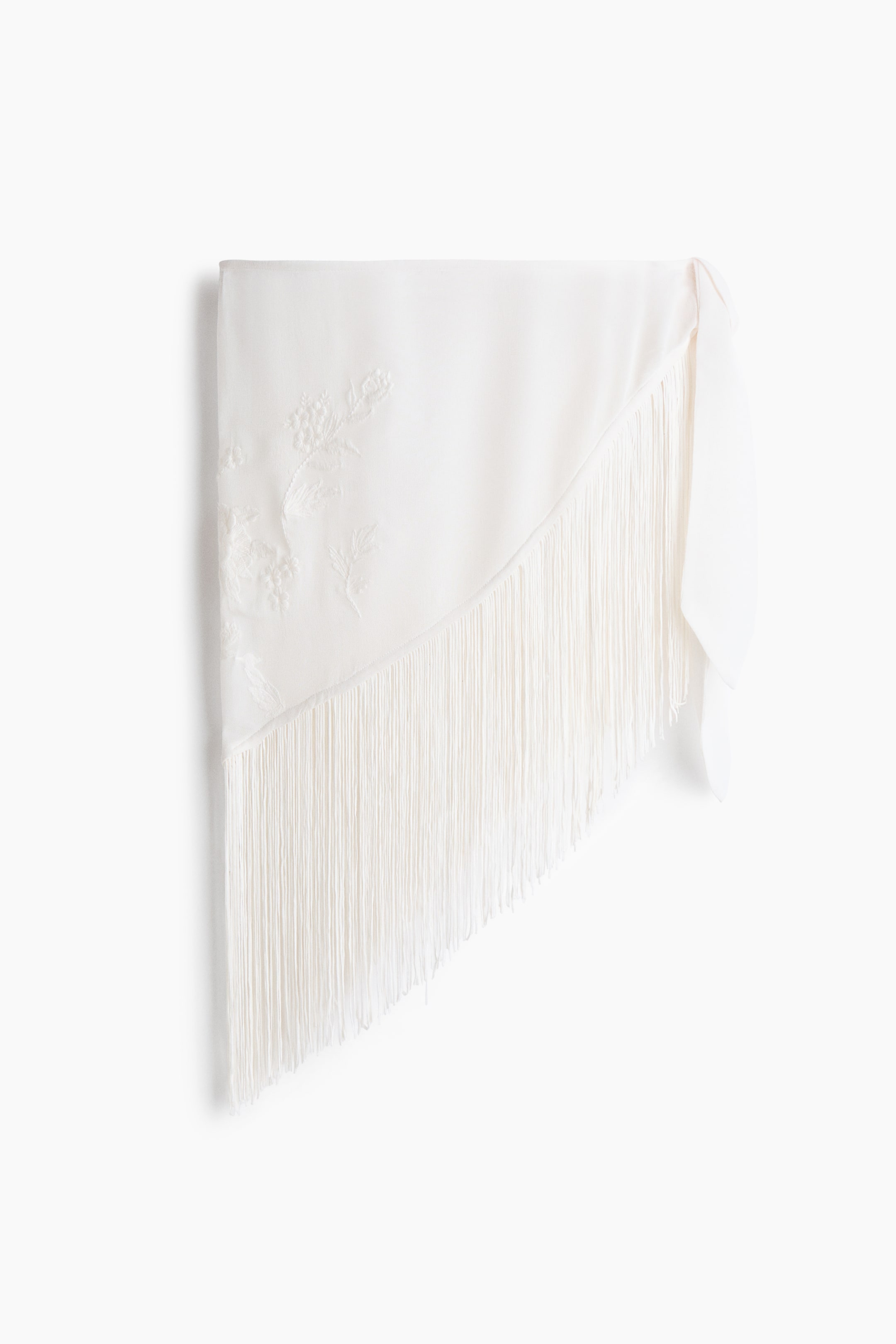
Fringe was everywhere in Denmark’s capital, swinging from hems, trailing off accessories, and turning otherwise understated pieces into statement standouts. Tassels offered a similarly tactile effect, bringing Scandi minimalism with a swish to dresses, skirts, and accessories.
Capri Comeback
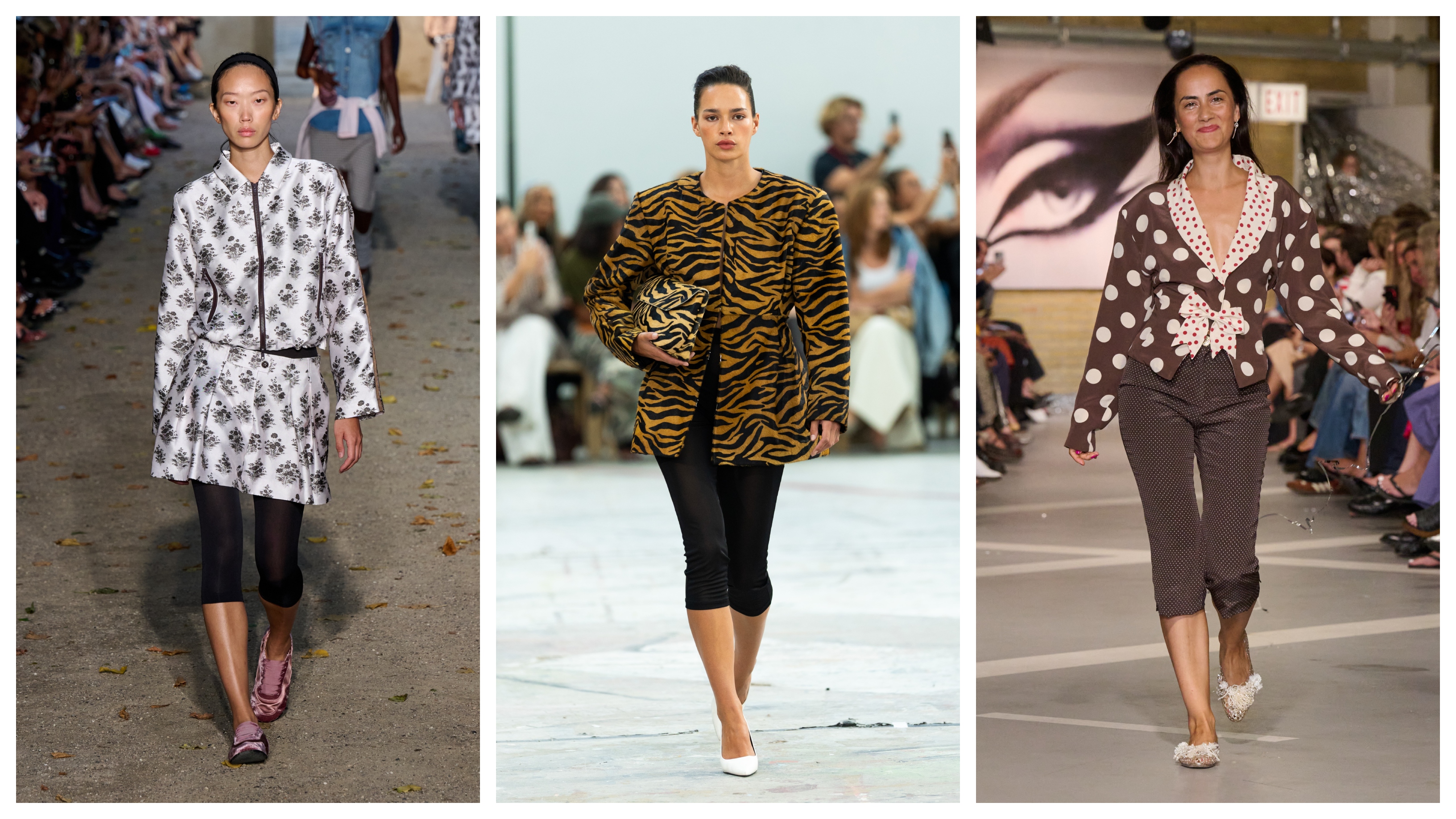
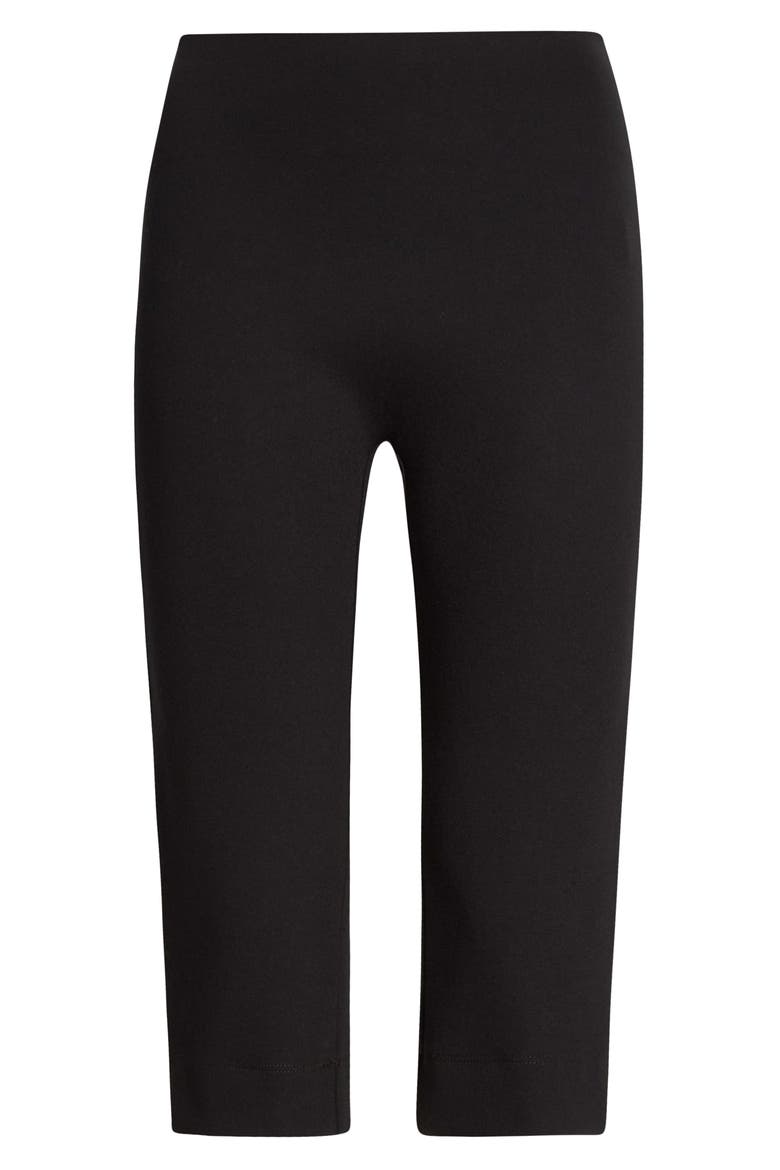
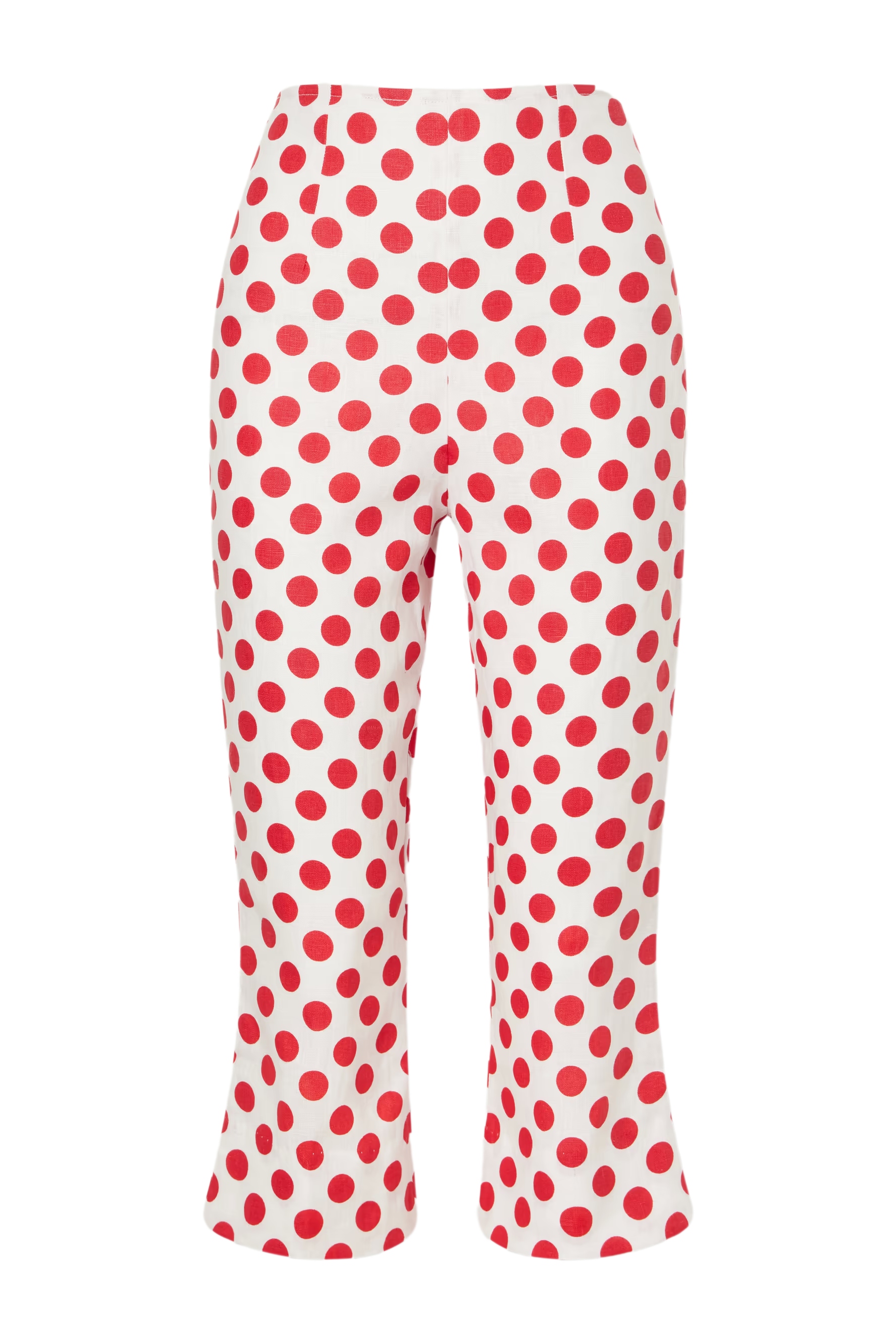
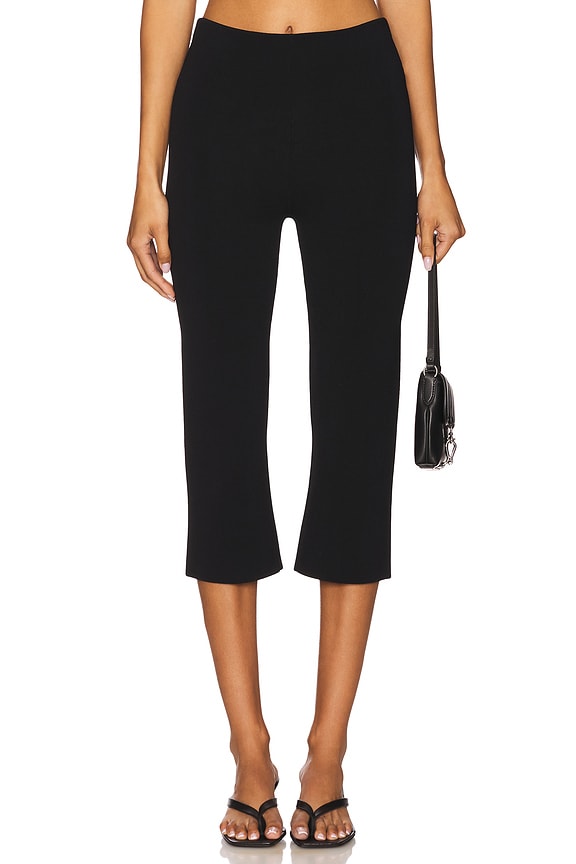
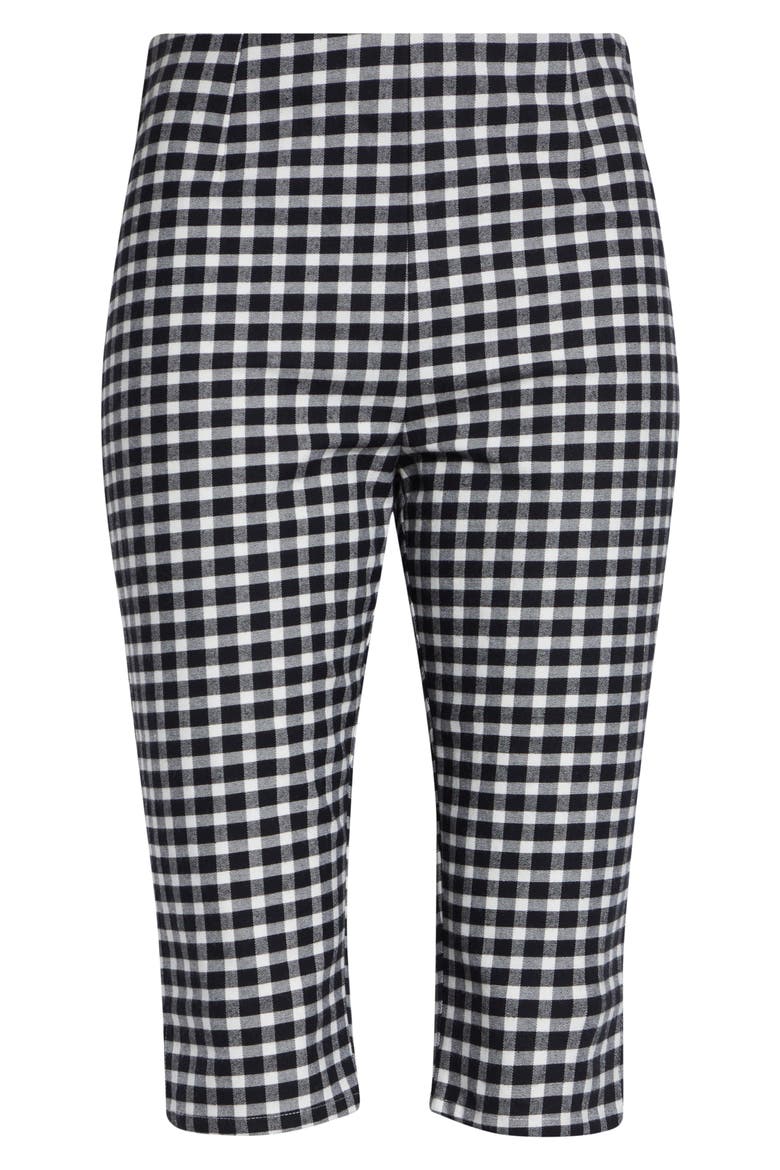
The divisive capri pant isn’t going anywhere. Copenhagen's biggest names continued to embrace cropped, calf-skimming trousers ranging from minimalist monochrome pairs to loud printed styles. After several seasons of oversized barrel pants and Bermuda shorts, the retro silhouette feels like a cheeky change of proportion.
Lovely Lace
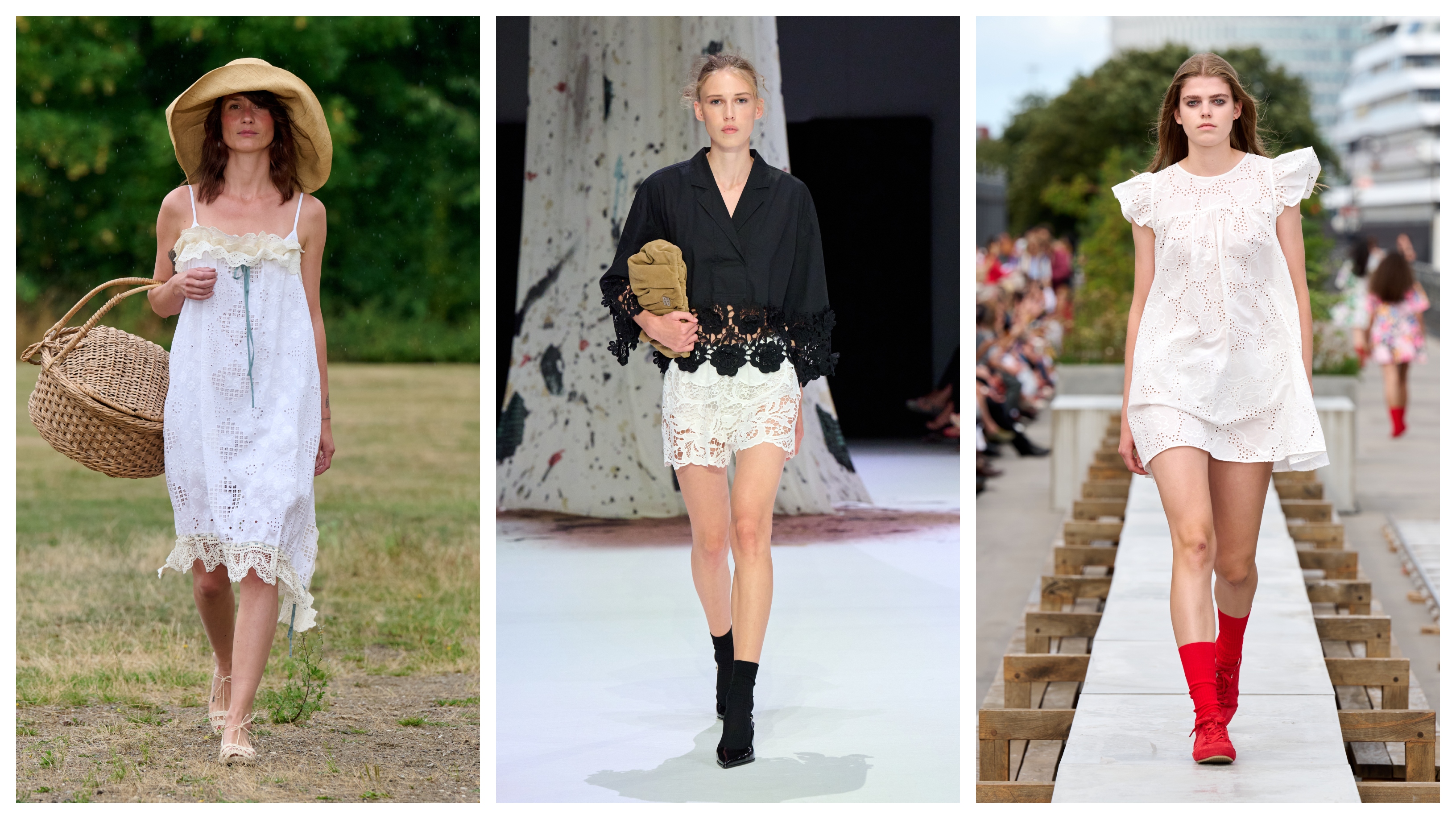
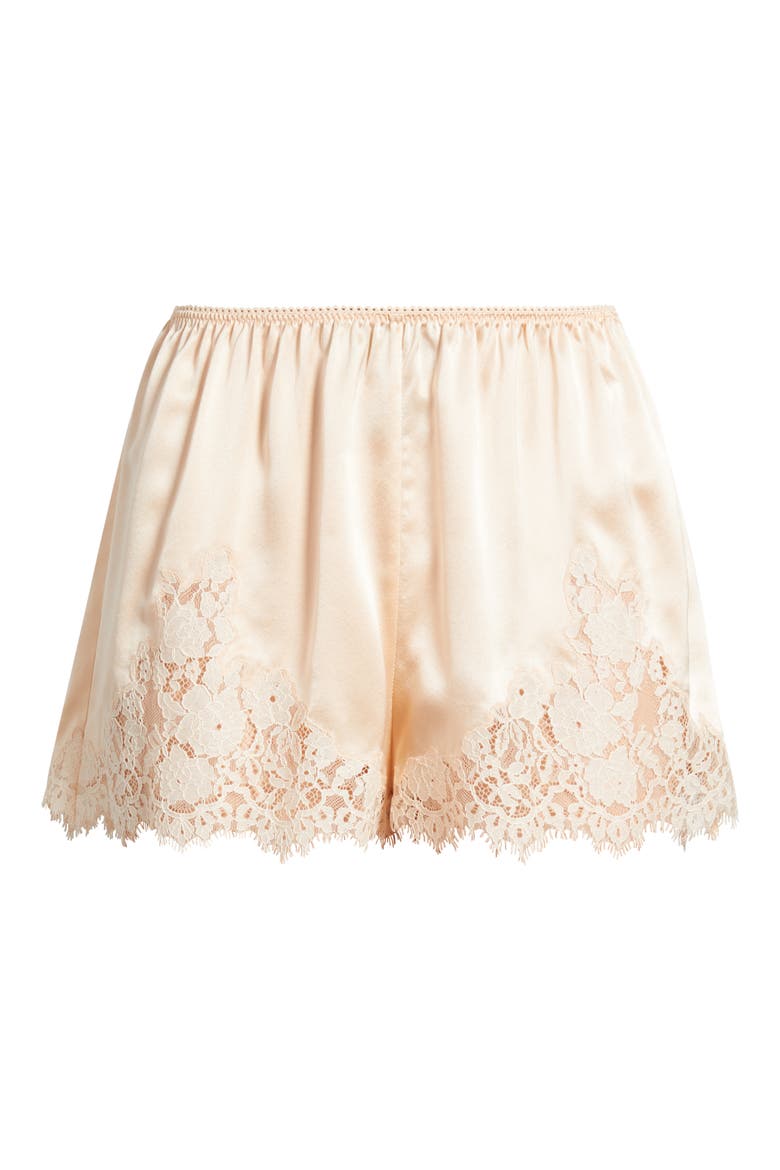
Lace helped set the season’s soft tone, appearing as delicate trims, sheer panels, and full-on separates. Rather than feeling overly precious or Victorian, it was often paired with utilitarian pieces (like a leather jacket at Munthe), giving the traditionally feminine fabric a cooler edge. Call it romance with a rock 'n' roll flair.
Not-Your-Salad Greens
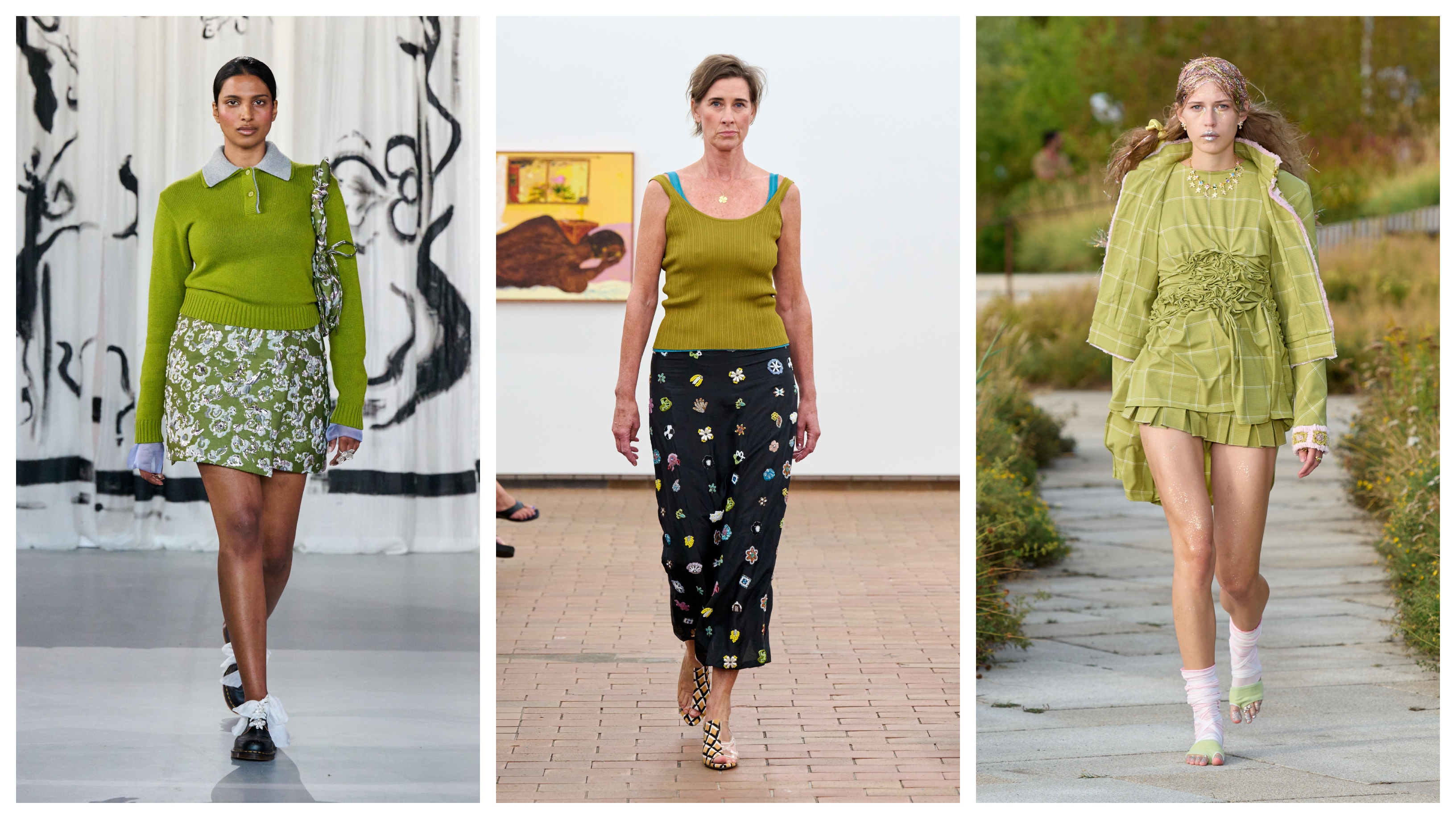
Green continued its fashion takeover, but Copenhagen largely skipped the pretty leafy shades or trendy mints. Instead, designers leaned into chartreuse, moss, algae, and other “ugly” tones. With their unexpected earthiness, these “gross greens” will electrify spring's looks.
Peplum Play
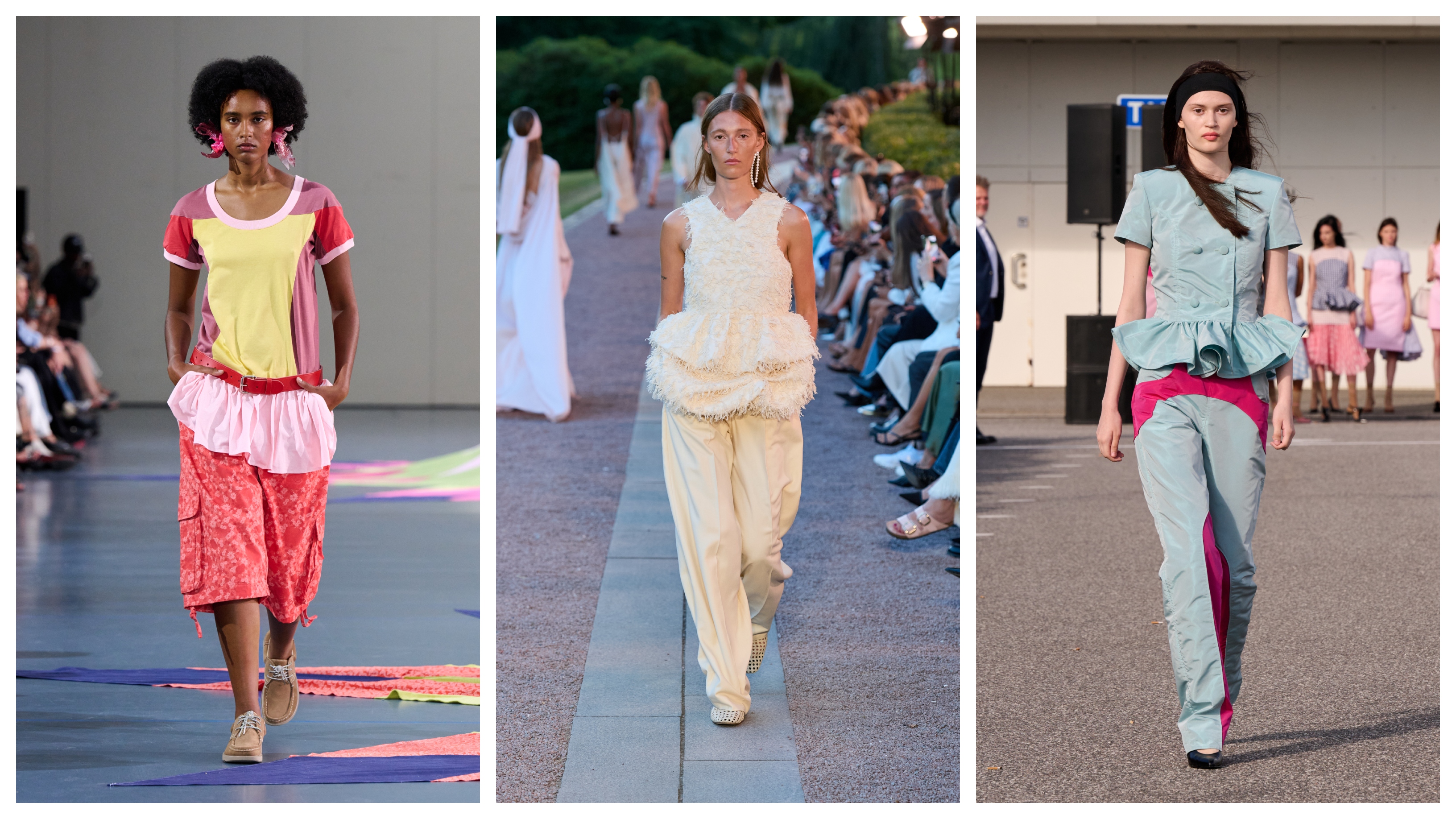
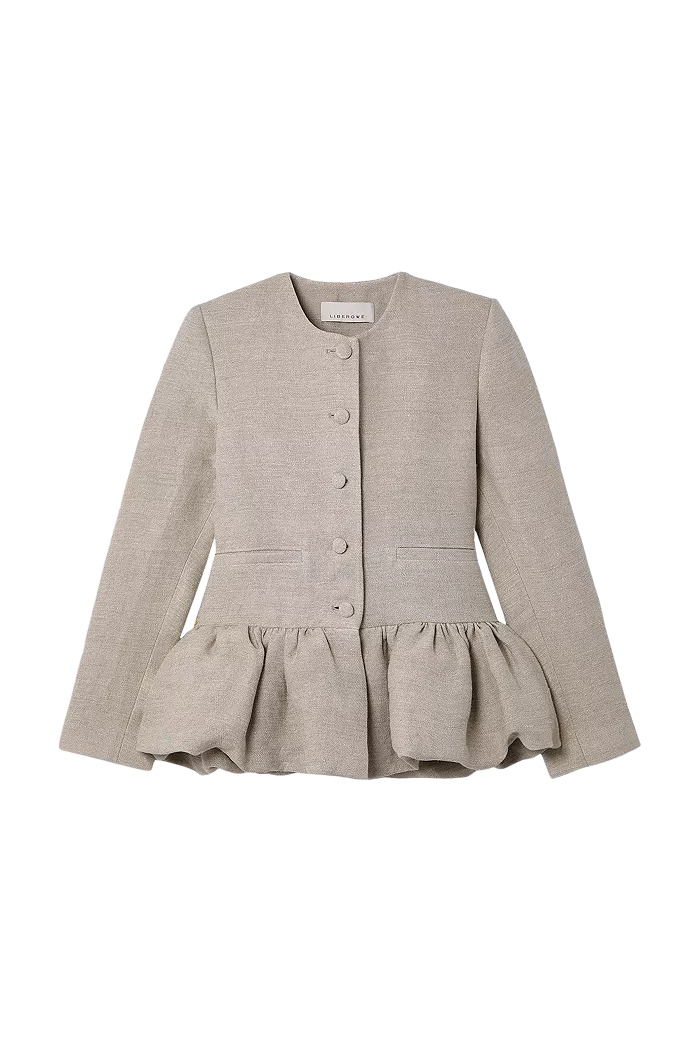
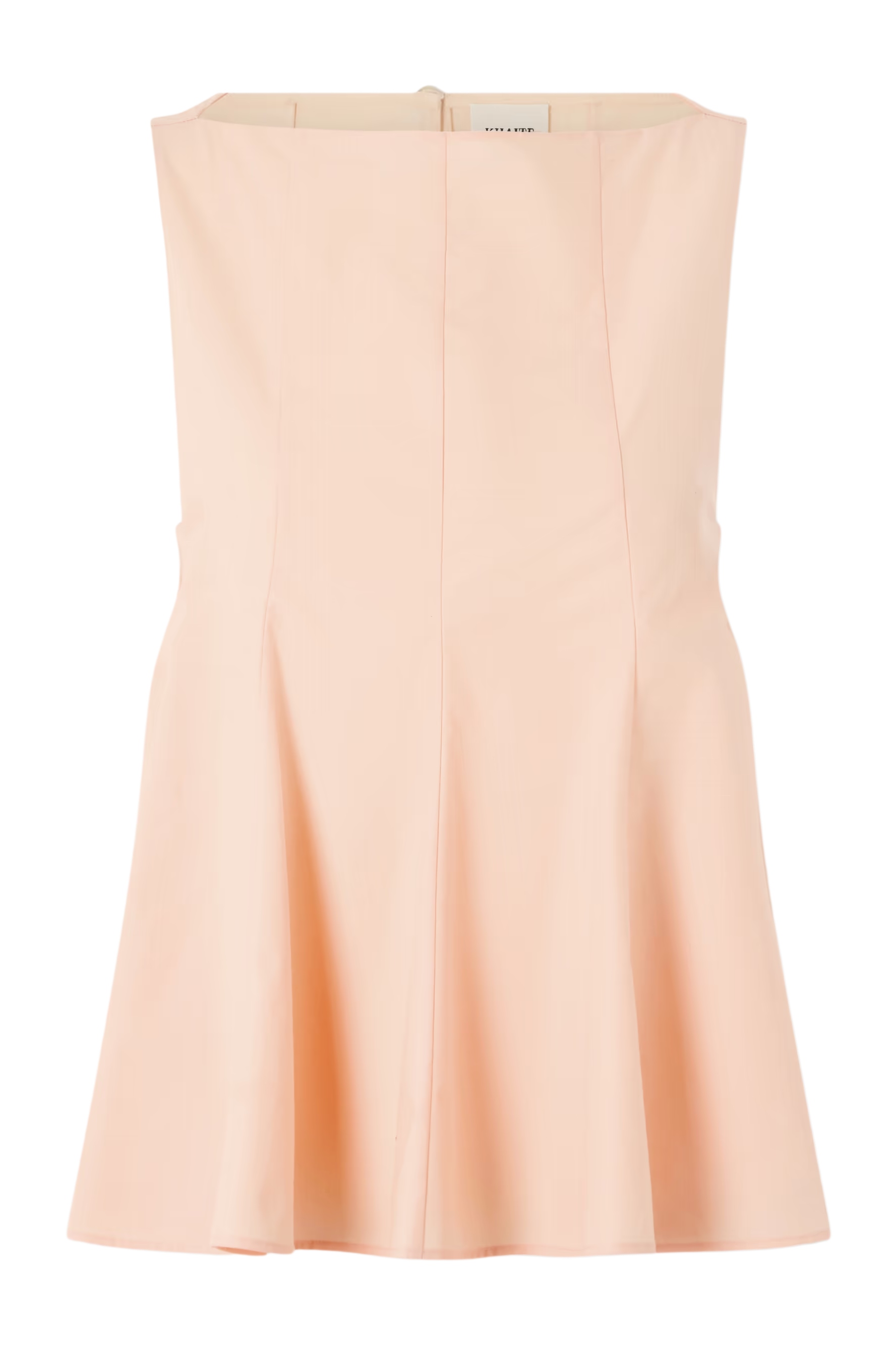
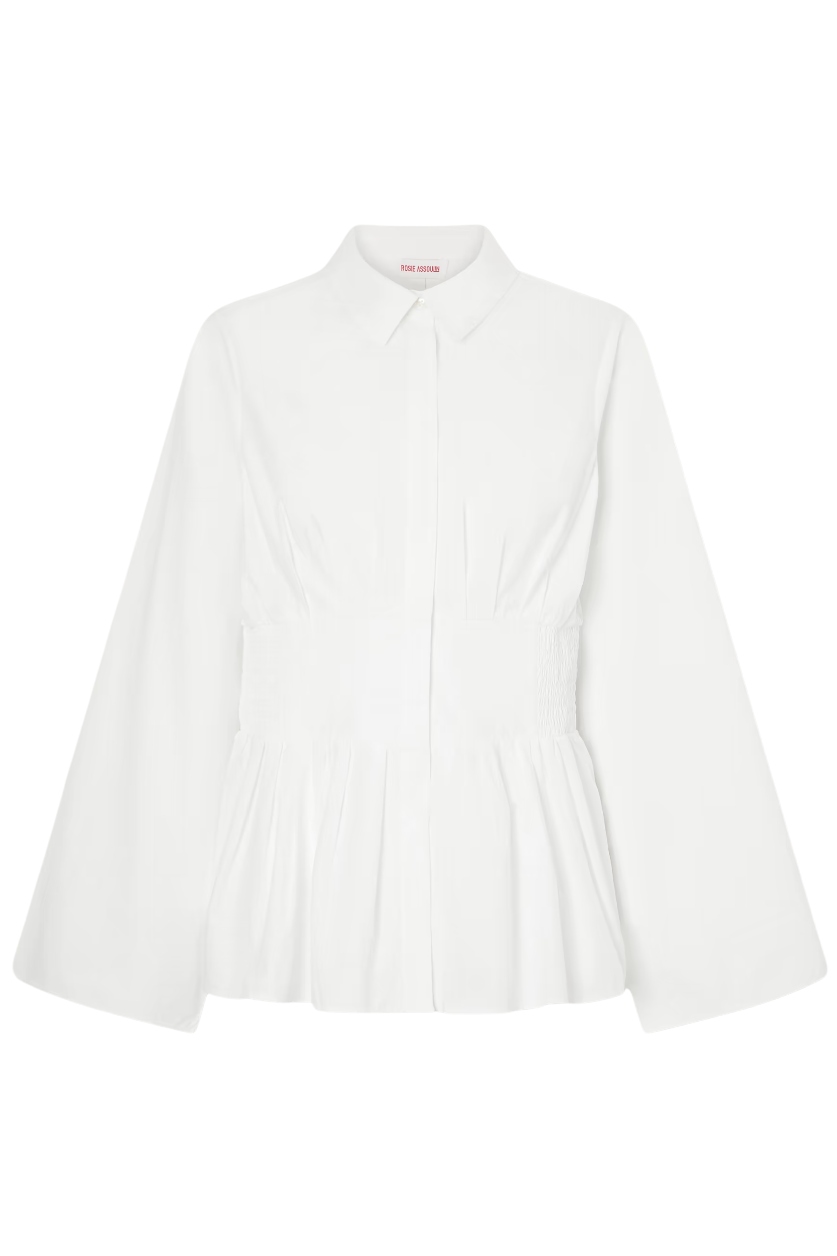
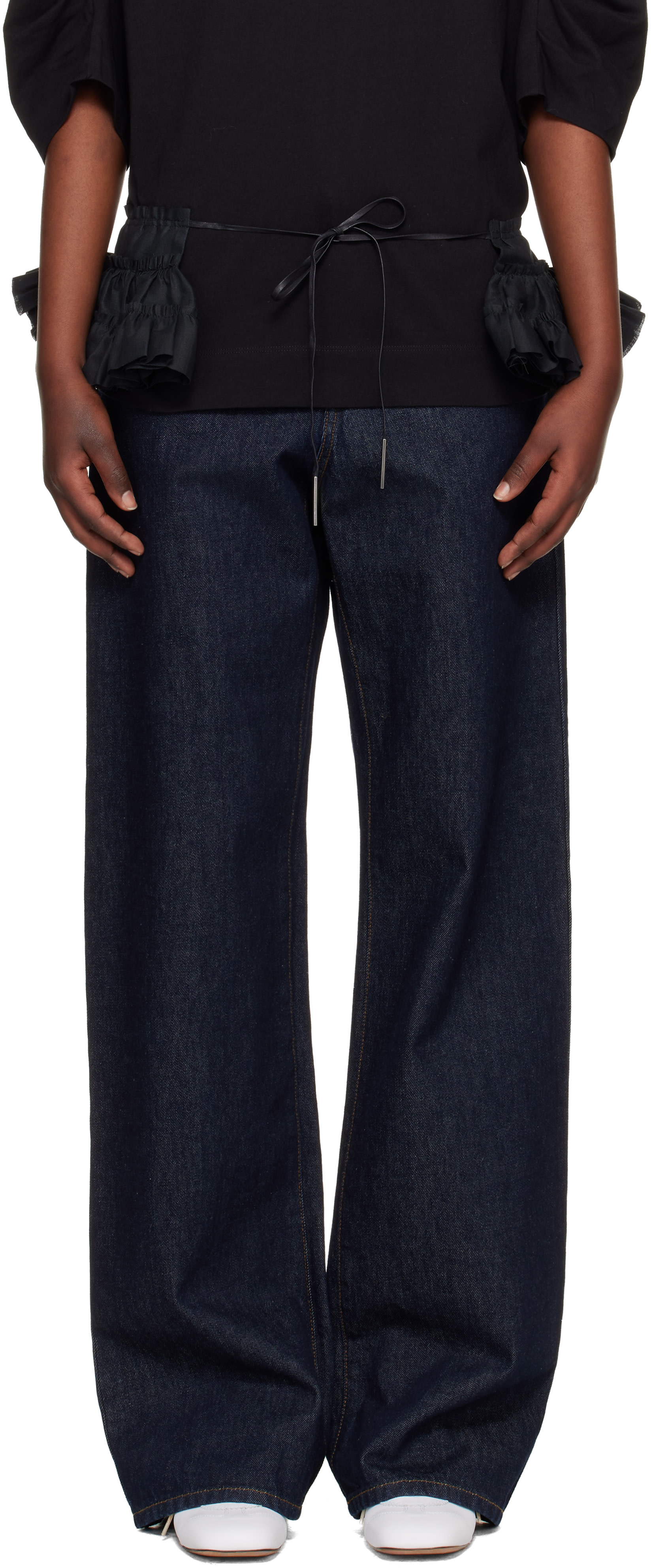
After years dominated by straight and oversized silhouettes, the peplum’s comeback gained more momentum in Copenhagen. Designers used flared waists to add shape to tops, jackets, and dresses in ways that were both sculptural and fluttery.
Softly Sheer
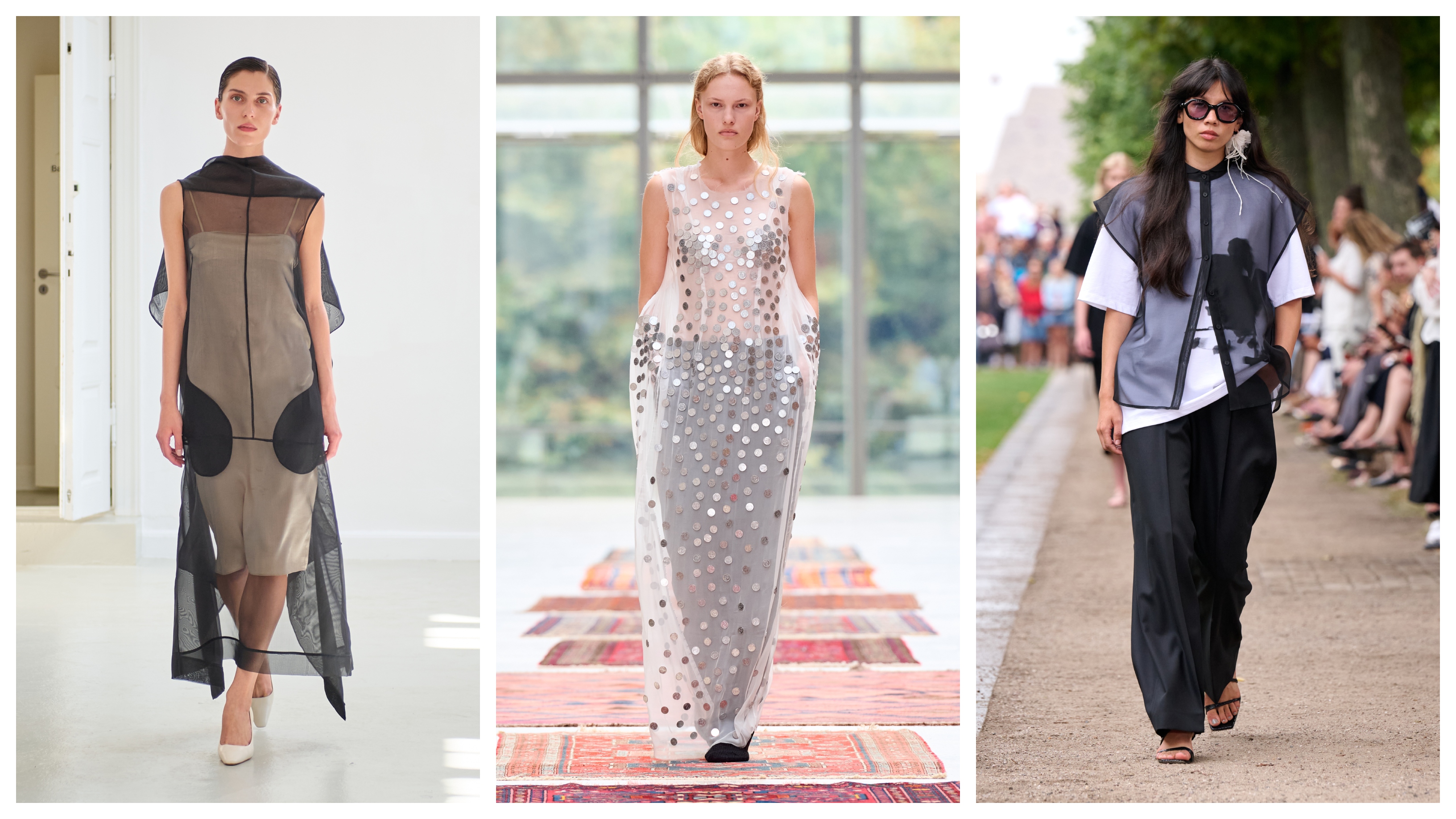
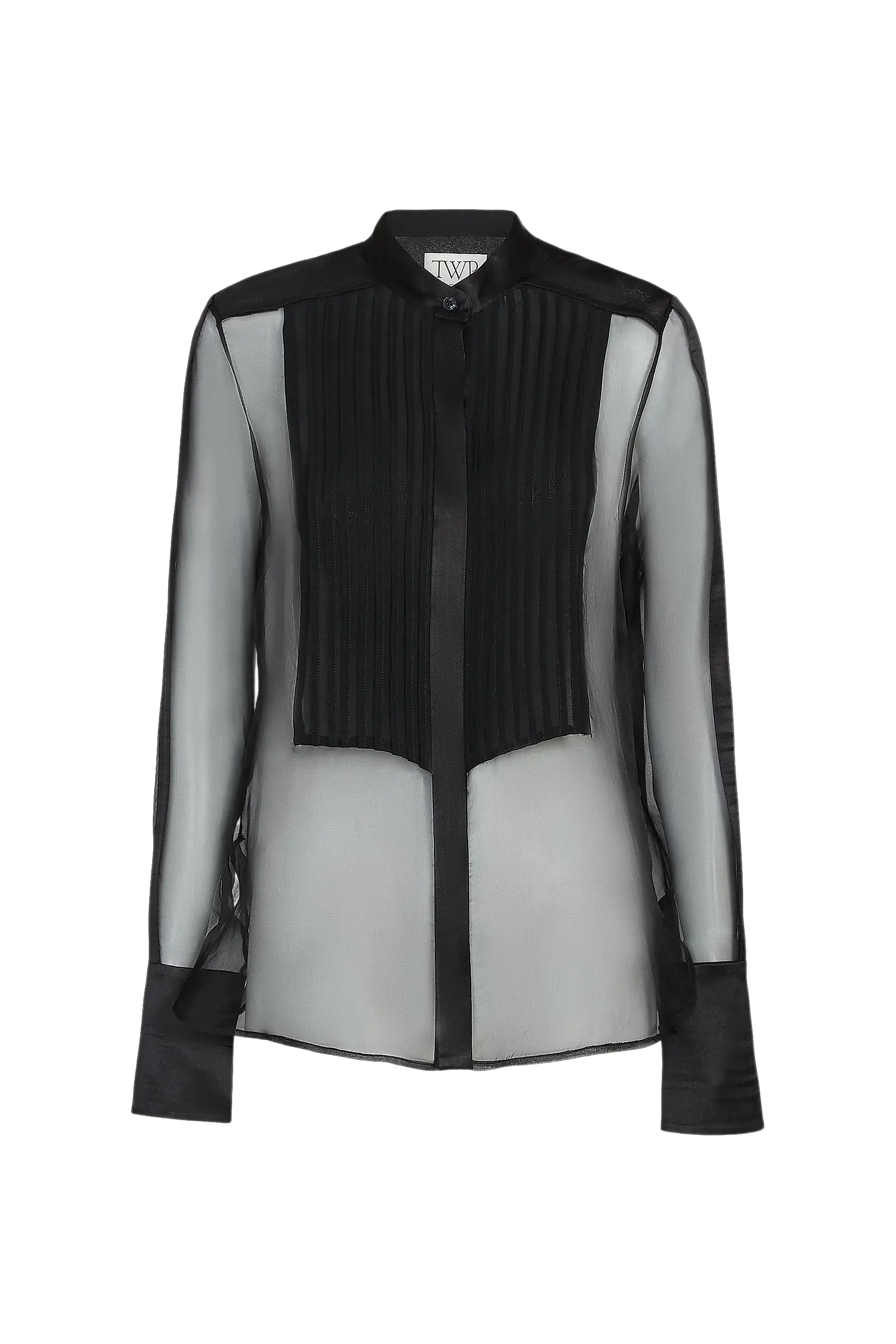
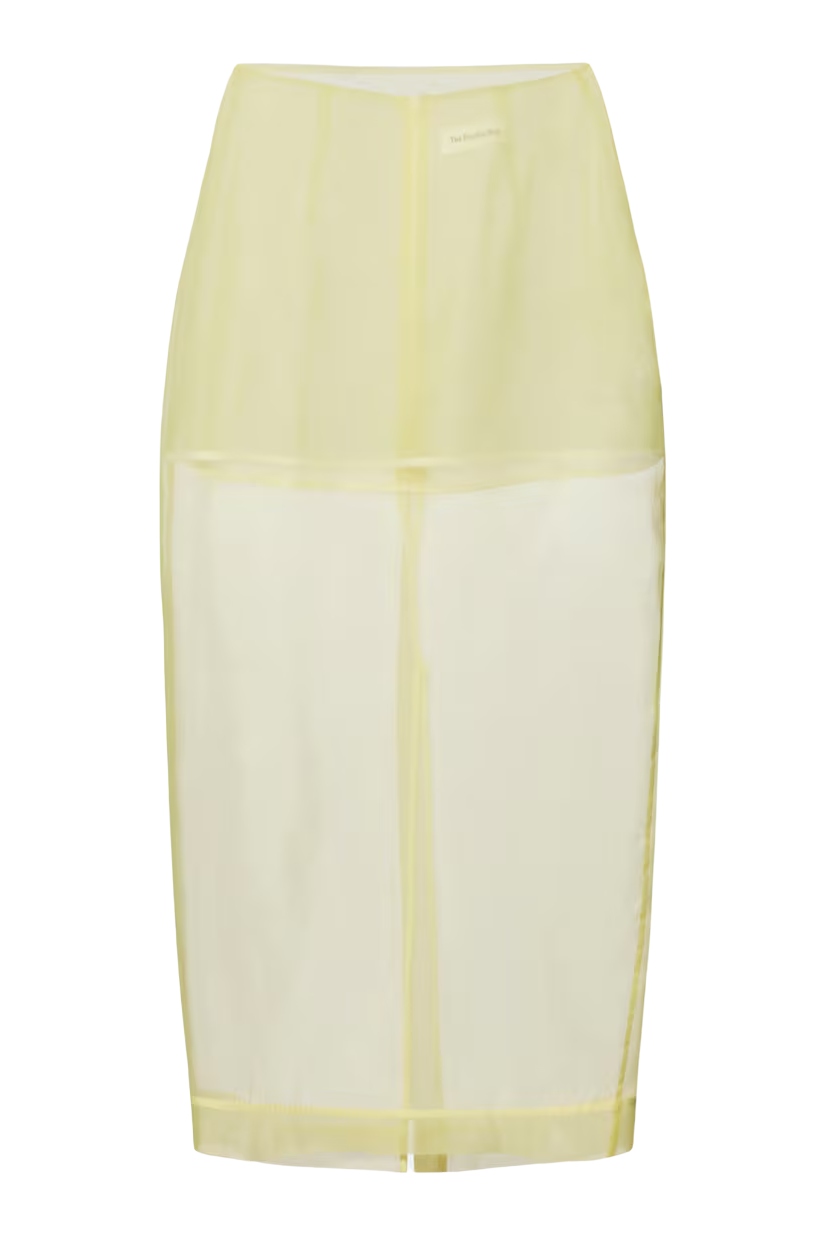
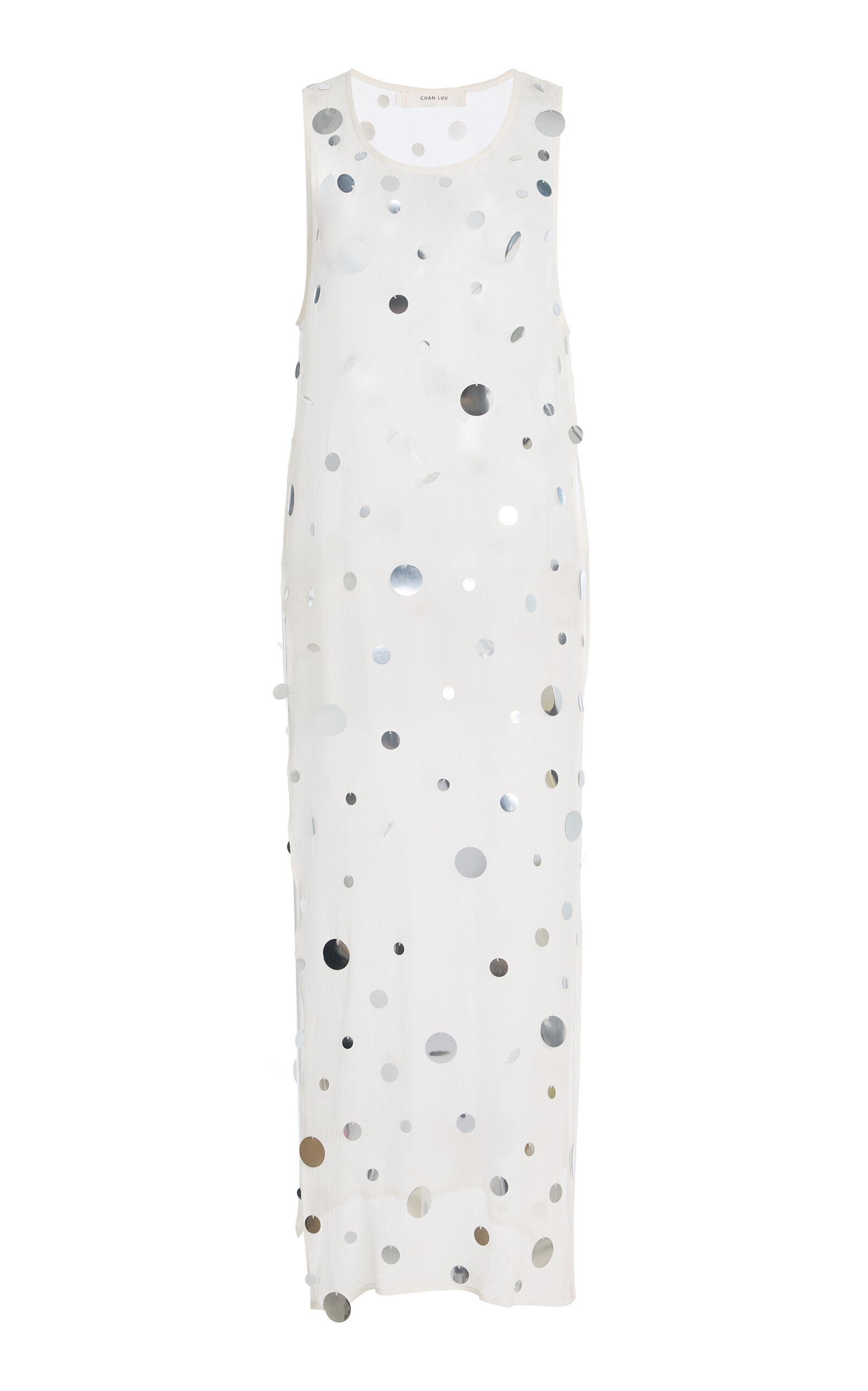
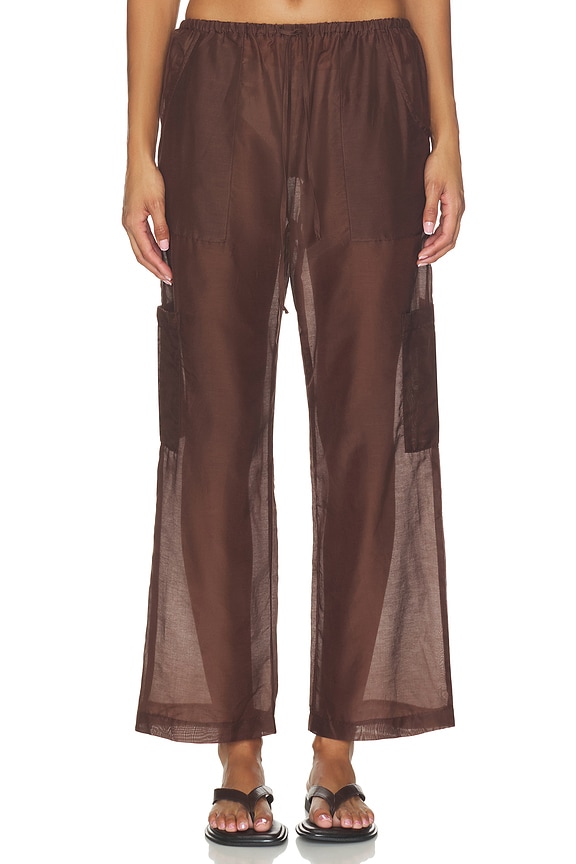
Transparency was one of Spring 2027’s strongest through lines. Sheer skirts, gauzy dresses, and barely-there layers offered glimpses of skin in an ethereal rather than overtly sexy manner. The trend felt wearable thanks to modest layering, relaxed proportions, and subtle embellishments that kept the look out of naked dressing territory.
Whimsy Waist
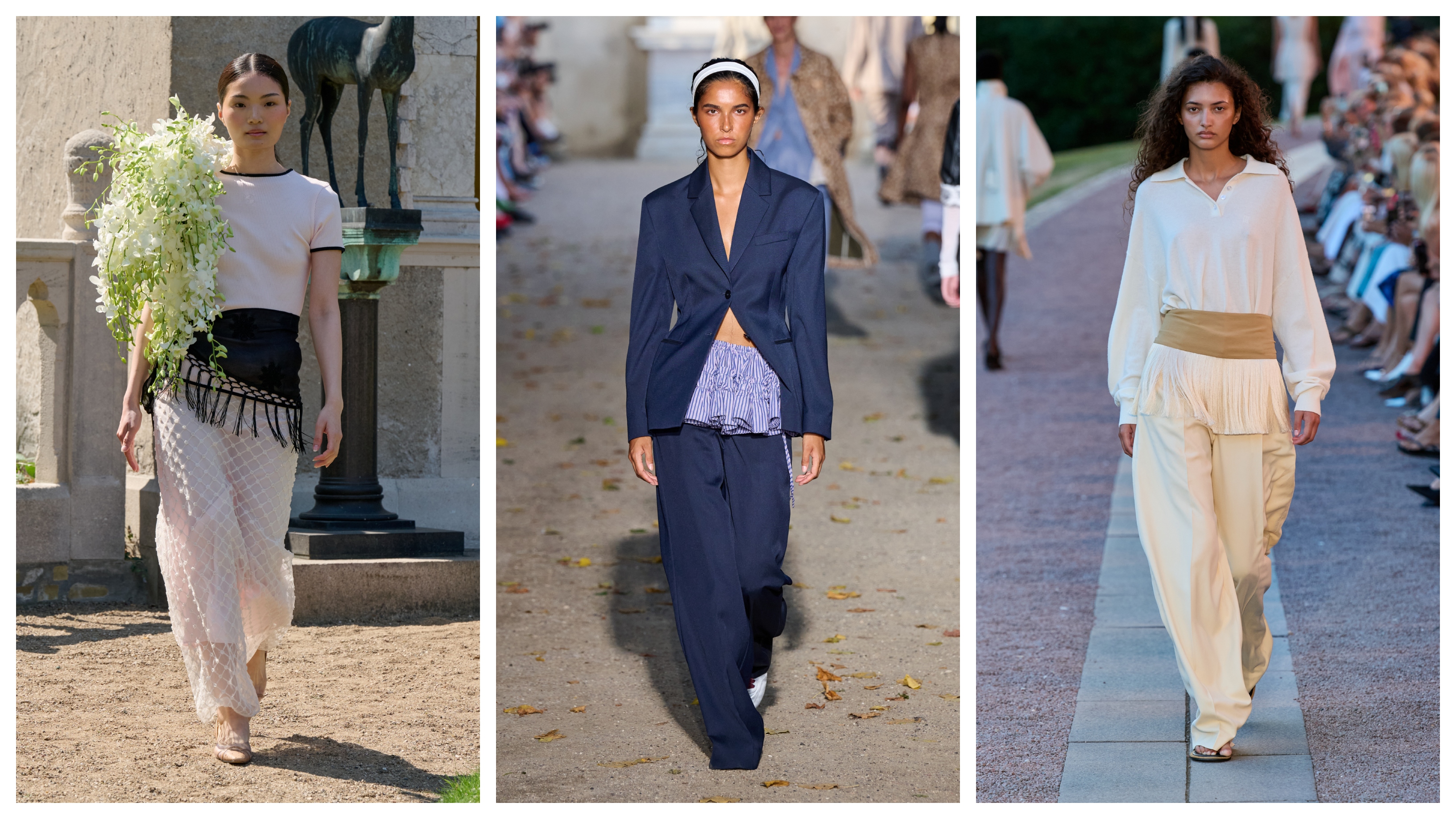
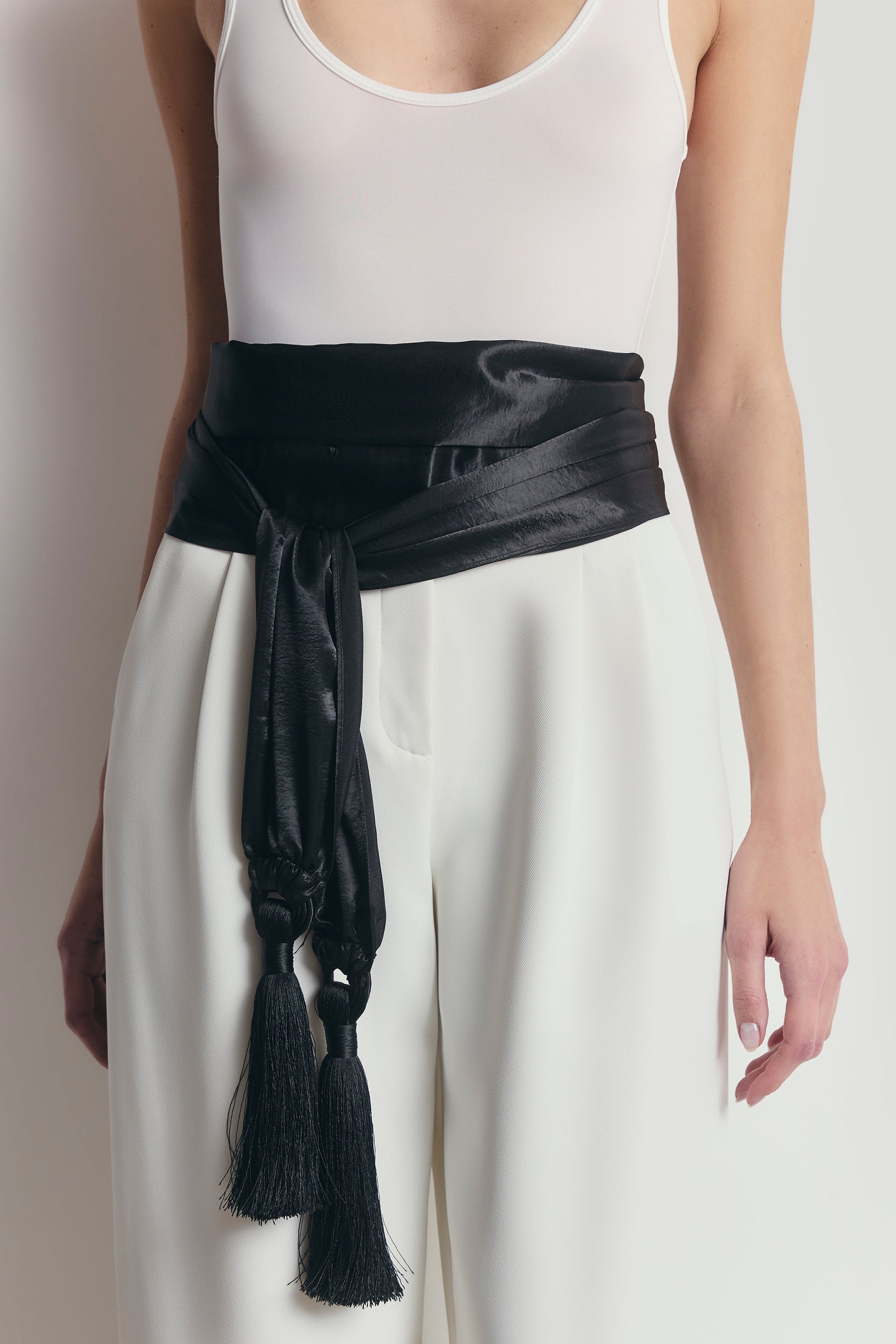
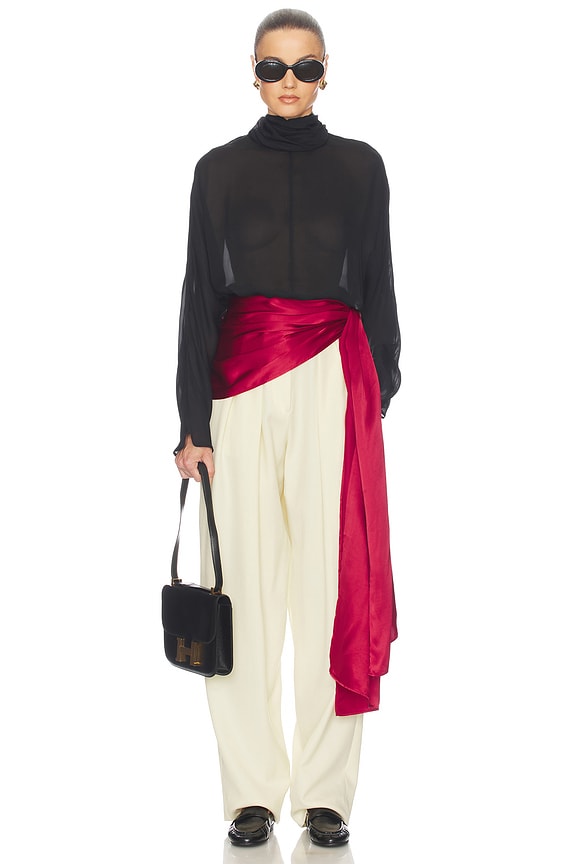
Designers weren’t content to simply cinch the waist—they decorated it. Cummerbund-like bands, peplum belts, and tasseled scarves wrapped around the midsection, turning the area into a focal point of the outfit. It’s a small styling hack with a big payoff, adding shape and visual interest without requiring an entirely new outfit.
Dainty Dusters
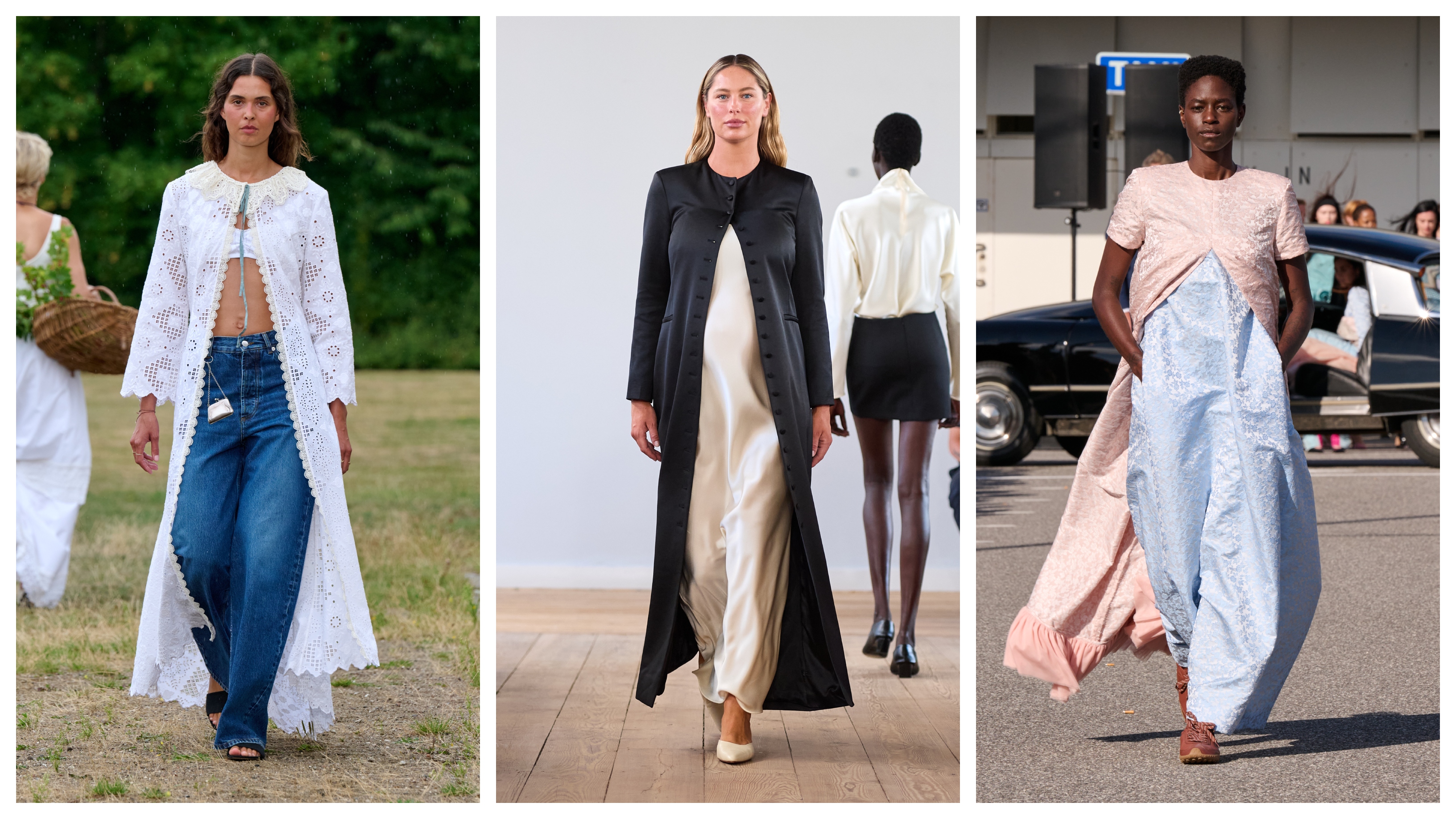
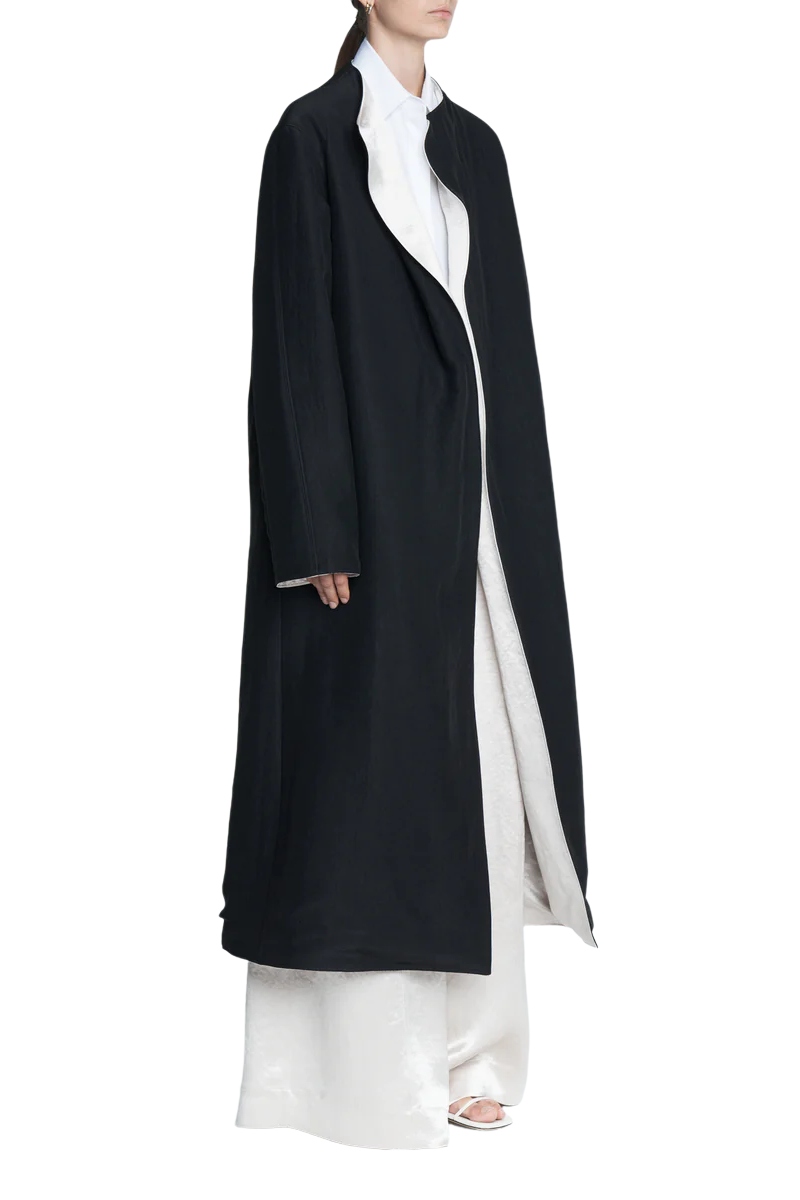
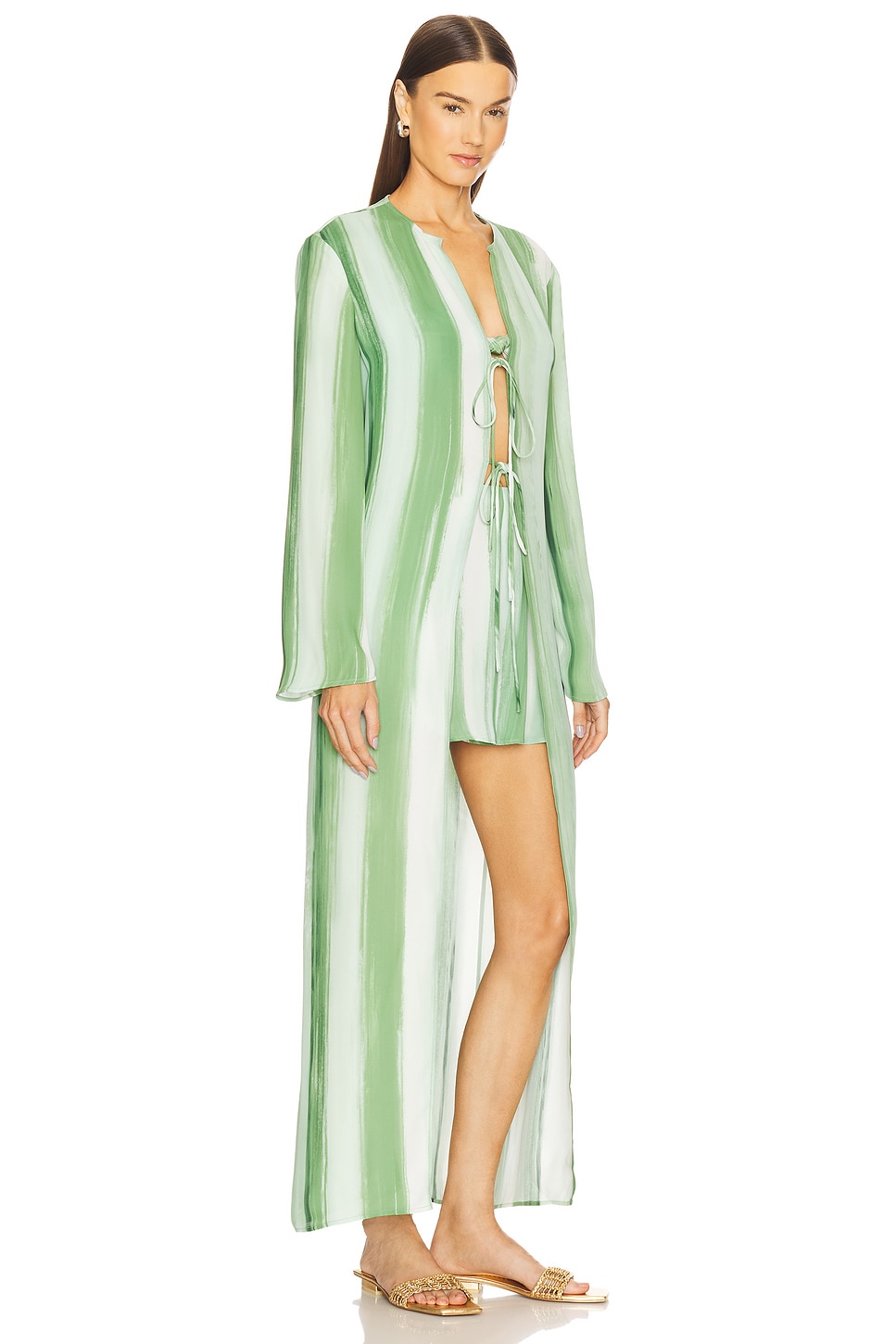
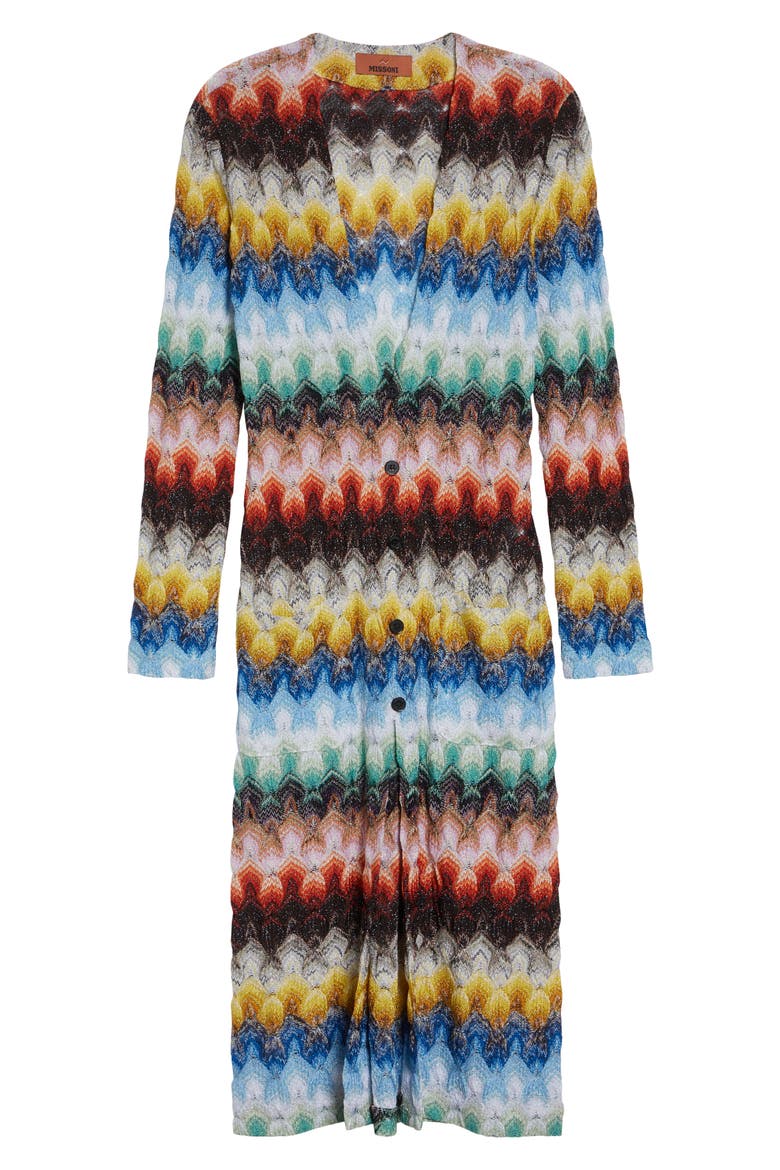
Long, trailing dusters brought storybook drama to some of Copenhagen’s most fluid looks. Worn over bustiers, dresses and billowy trousers and in fabrics ranging from lace to satin, the elongated toppers fluttered behind models and further exaggerated the season’s airy silhouettes. Bonus: These practical layers can double as outerwear in colder weather.
Read on the original site
Open the publisher's page for the full experience