This Royal "Commands Respect Naturally" But Can Also "Demand It," Says Body Language Expert
Our take
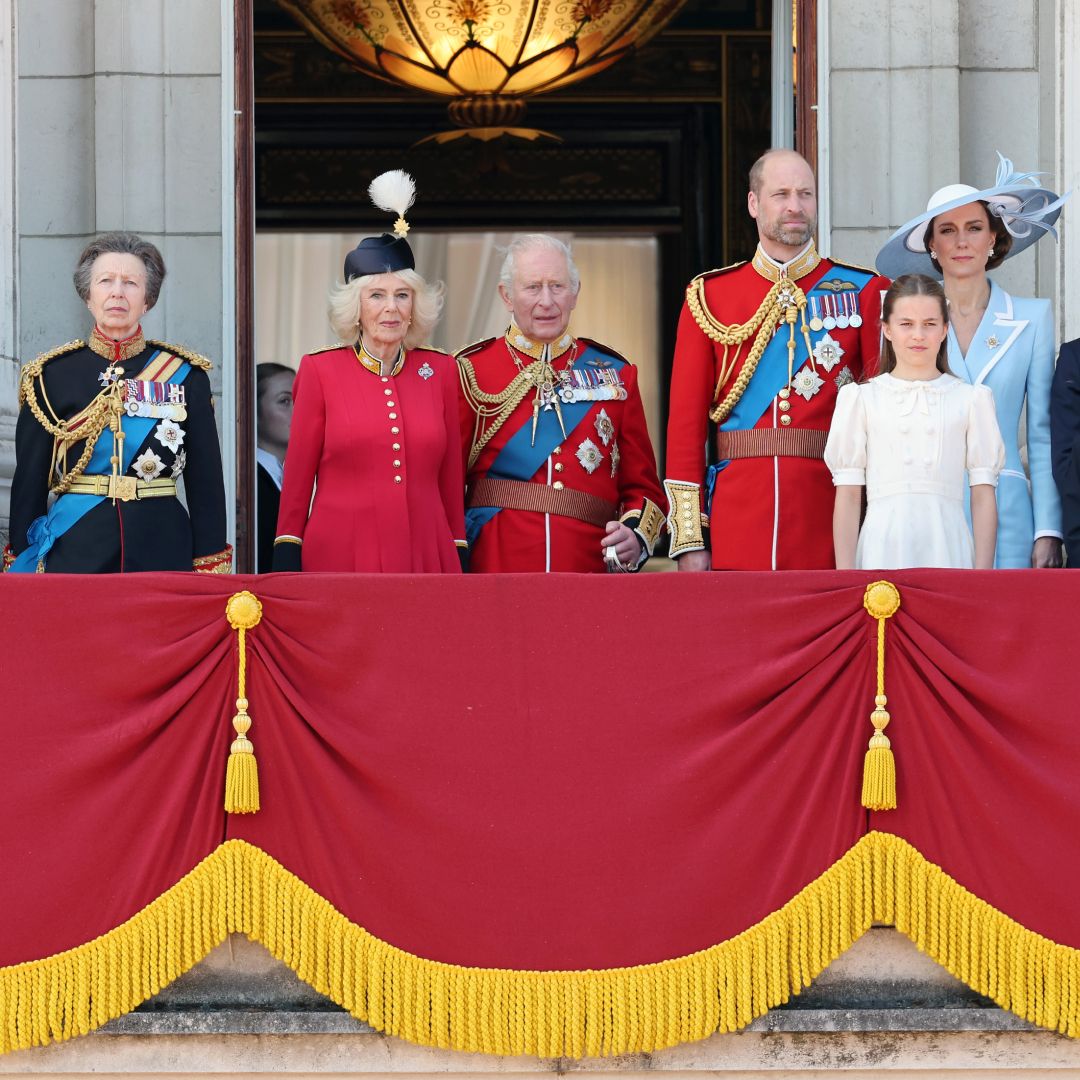
The enduring fascination with the British Royal Family continues to yield intriguing observations, and the latest from body language expert Darren Stanton regarding Princess Anne offers a particularly compelling lens through which to view the shifting dynamics within the institution. Stanton’s assertion that Princess Anne "commands respect naturally" but can also “demand it” – drawing a parallel to the late Queen Elizabeth’s quiet authority – resonates with a deeper understanding of understated power and the evolution of royal presence. It's a subtle distinction, yet profoundly important, particularly when considering how the younger generation of royals navigates a more public and scrutinized world. We’ve seen glimpses of similar shifts in approach, such as the unexpected revelation of Prince William and Princess Kate's Surprising Travel Rule Is Revealed By a Former Love Islander—And It's Not What You'd Expect - a moment that humanized them and challenged traditional expectations. The ongoing analysis of royal behavior speaks to a broader cultural interest in nonverbal communication and the ways in which individuals project authority and influence.
The comparison to Queen Elizabeth is particularly insightful. The late monarch cultivated a persona of serene composure and unwavering duty, a legacy built on decades of service and steeped in tradition. Her authority wasn’t overtly asserted; it was inherent, a consequence of her position and the weight of history she carried. Princess Anne, having been raised within that very system, seems to have absorbed this principle of quiet command. It’s a stark contrast to the more demonstrative approaches sometimes seen within the family, and it underscores the enduring relevance of traditional values within the modern monarchy. This echoes a past moment where Royal Author Reveals the “Secret” to Prince William and Princess Kate’s Successful Marriage and How Kate Plans to Support Her Husband This Fall highlighted the importance of shared values and a sense of steadfastness – qualities that seem to underpin Princess Anne's measured approach. The nuance of Stanton’s observation – the ability to both command respect naturally *and* demand it – suggests a strategic awareness of when to employ different communication styles, a skill honed through years of navigating complex social and political landscapes.
What makes this analysis particularly relevant now is the ongoing reshaping of the monarchy's image in a world demanding greater transparency and relatability. While overt displays of power can sometimes alienate, the quiet authority embodied by Princess Anne and reminiscent of Queen Elizabeth holds a unique appeal. It’s a form of leadership that doesn’t rely on fanfare or self-promotion, but rather on consistent integrity and a demonstrated commitment to service. The recent scrutiny surrounding the monarchy, including a notable instance where Why Queen Elizabeth Was Once Accused of “Walking Out in a Huff,” Forcing the BBC to Issue an Apology exposed a more human side of the Queen, highlights the delicate balance between maintaining regal mystique and fostering genuine connection with the public. Princess Anne’s approach, seemingly unburdened by the need to constantly reinvent herself, appears to be navigating this balance with remarkable grace.
Ultimately, the observation about Princess Anne’s quiet authority underscores a fundamental truth about leadership: genuine power often resides not in grand gestures, but in the consistent demonstration of character and the ability to inspire respect through quiet confidence. It invites us to reconsider the very definition of influence and to appreciate the subtle, yet profound, impact of understated presence. As the Royal Family continues to evolve, will we see other members adopt a similar approach, prioritizing substance over spectacle and cultivating a sense of quiet authority as a means of navigating an increasingly complex world? Or will the pressures of contemporary media and public expectation lead to a further shift toward more overtly performative displays of royalty?
Queen Elizabeth was raised in a much different world than the current members of the Royal Family, but her more traditional British upbringing is still reflected in her only daughter, Princess Anne. Ahead of the Princess Royal’s 76th birthday on August 15, body language expert Darren Stanton says that Anne inspires respect from everyone she meets, making her “unmistakably her mother’s daughter.”
Stanton shares that Princess Anne, who was taught by a private governess at Buckingham Palace until the age of 13, was “raised under traditional royal protocols” like Queen Elizabeth, carrying “forward both the discipline and the demeanor expected of her role.”
Speaking on behalf of Betfair Casino, the body language expert notes that the Princess Royal “is unmistakably her mother’s daughter, not just in background, but in the way her nonverbal cues mirror Queen Elizabeth’s.” He points to the way Anne “often walks with her hands clasped behind her back” like the late Queen, calling it “a gesture that communicates composure, control, and quiet authority.”
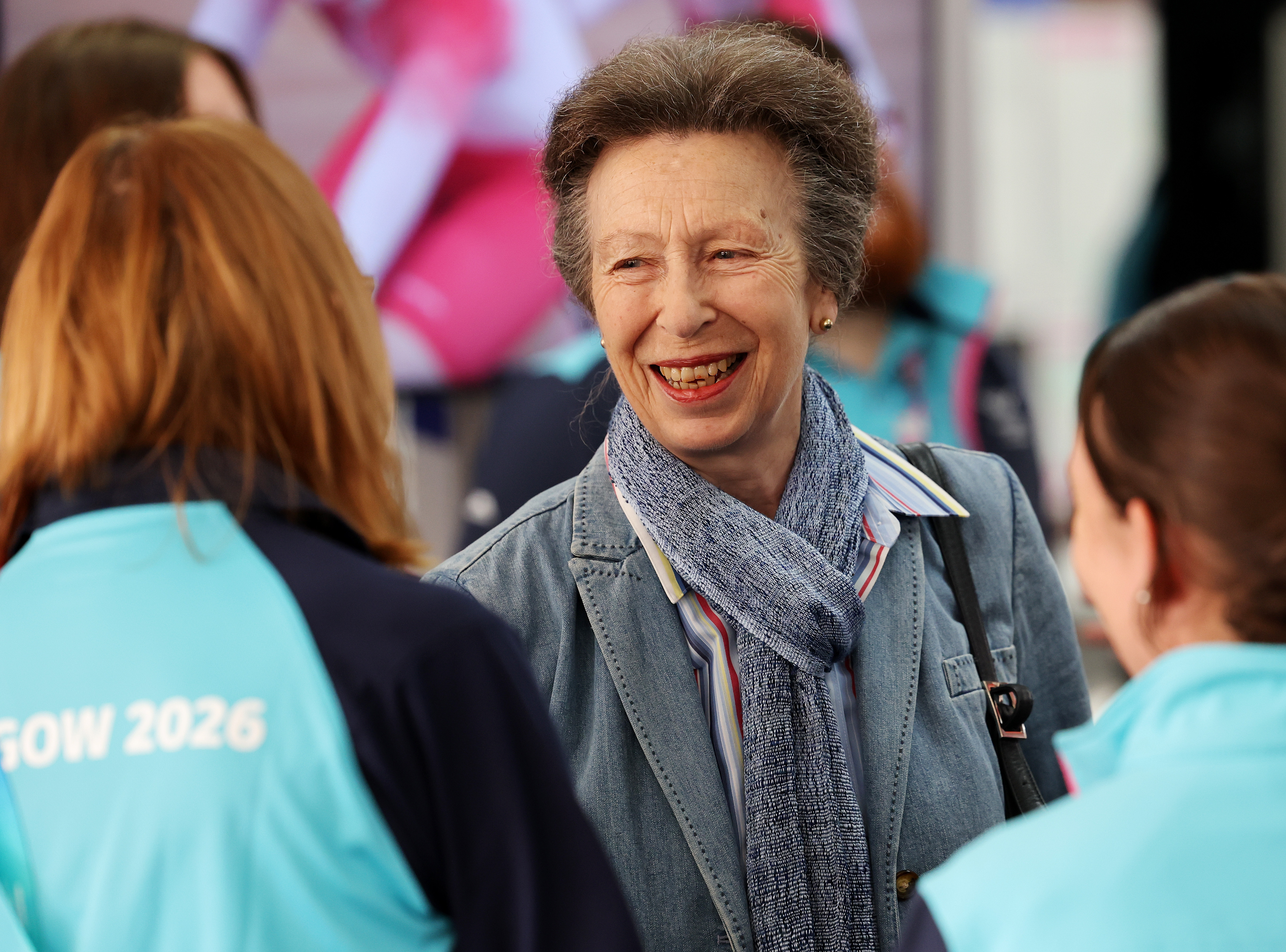
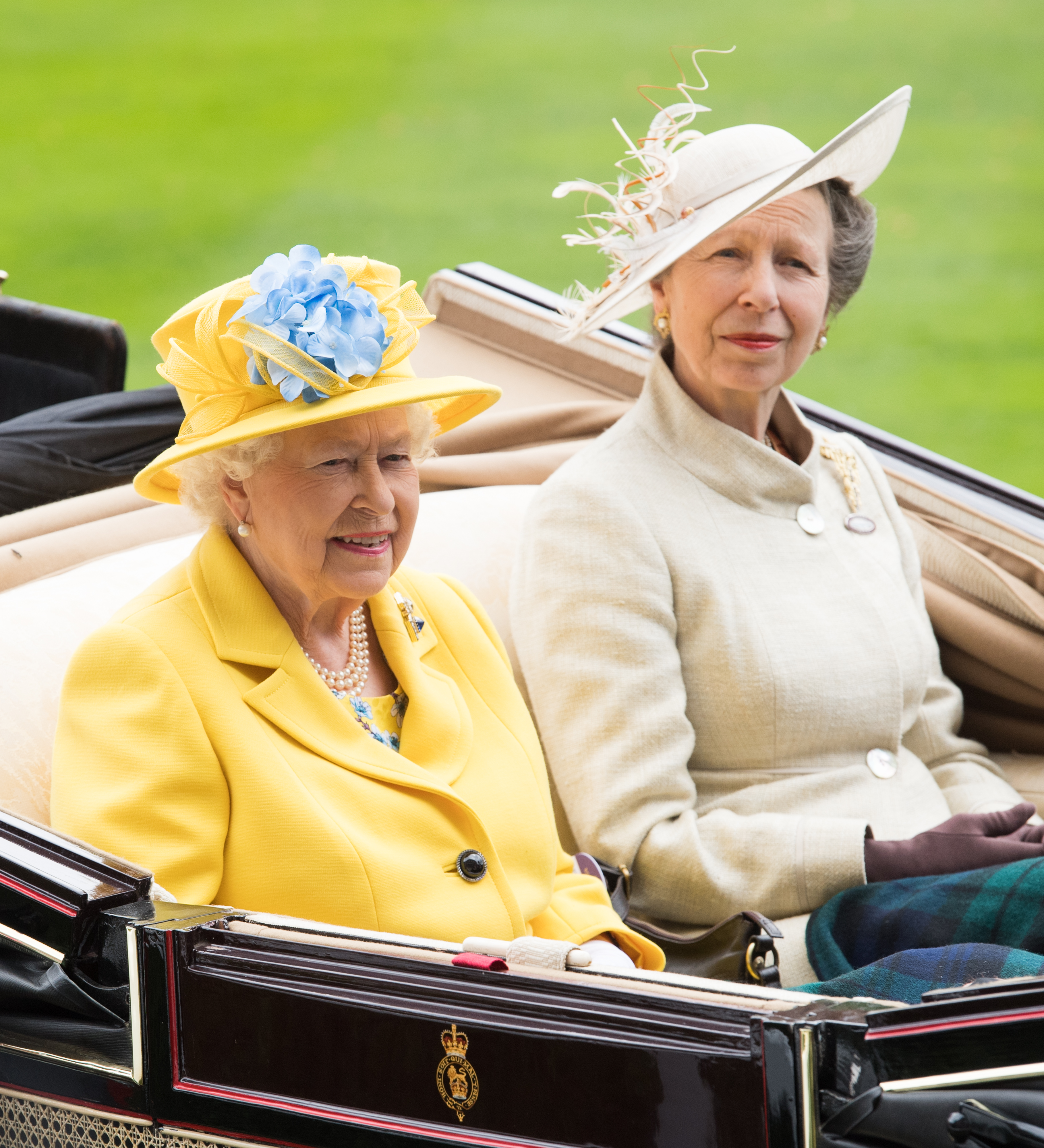
Princess Anne racked up an impressive 478 royal engagements in 2025, and her hard-working personality has consistently made her one of the most popular members of the Royal Family. “In public engagements, she mirrors the late monarch’s grounded presence,” Stanton says, adding that Anne “radiates a quiet confidence that draws people in.”
“She is never arrogant, but her stance signals someone entirely confident in her position,” he continues. “She commands respect naturally, and when necessary, she can also demand it.”
Although she’s known for having a “no-nonsense side,” Stanton points out that Anne inherited the same “sharp, dry sense of humor” as her mother and an ability to make the people she meets feel like the only one in the room.
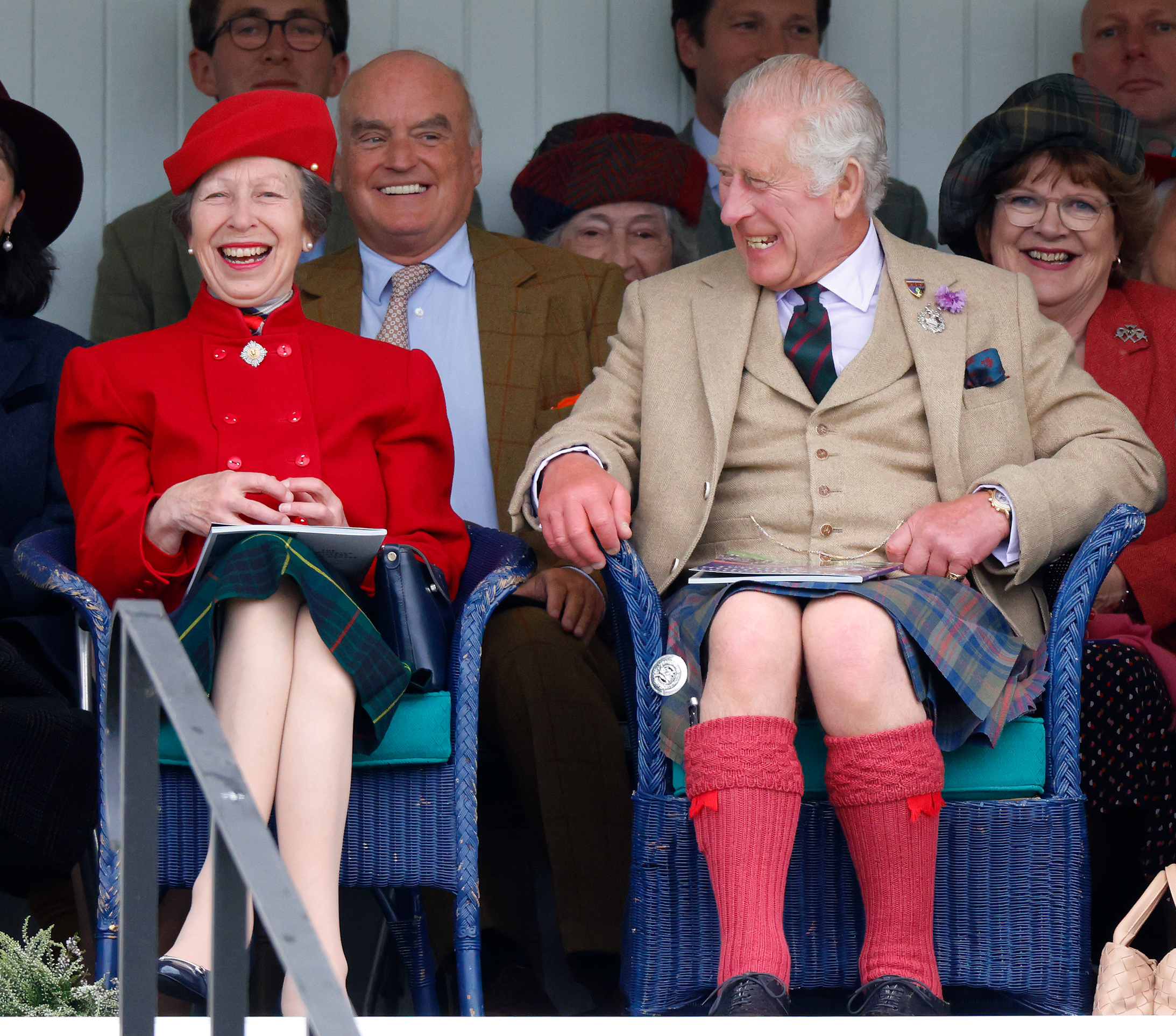
The Princess Royal shares a close bond with her older brother, King Charles, often taking on overseas tour and attending major events on behalf of the monarch. Speaking of their warm relationship, Stanton says that The King “appears to look up to her, and their exchanges often reveal a shared wit.”
Having been a working royal since age 18, Princess Anne has more than five decades of experience under her belt, making her a role model for the younger generation. Stanton notes that because of her wisdom, the Princess Royal is “one of the more dominant figures within the Royal Family, not in an overbearing way, but through the respect she inspires.”
Read on the original site
Open the publisher's page for the full experience