Why Queen Elizabeth Was Once Accused of “Walking Out in a Huff,” Forcing the BBC to Issue an Apology
Our take
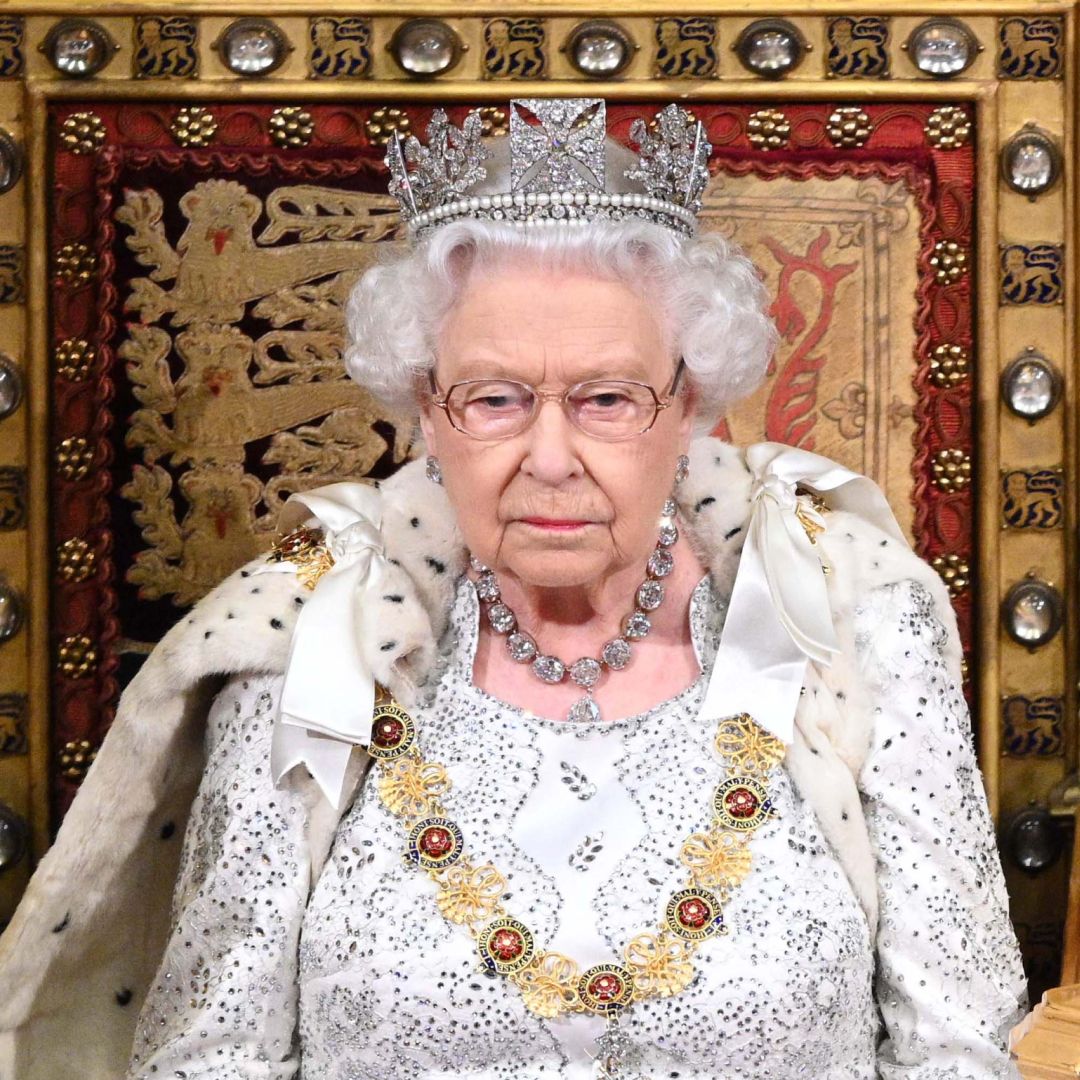
The revelation that Queen Elizabeth II, a figure synonymous with stoicism and unwavering composure, was once accused of "walking out in a huff" and prompted a BBC apology is a fascinating glimpse behind the carefully constructed facade of the British monarchy. While stories of royal protocol and unwavering dedication dominate the narrative, this incident, as recounted by Prince Philip and detailed by Gyles Brandreth, reminds us that even the most revered figures are, at their core, human. It's a testament to the enduring power of perception – the public’s expectation of unflappable royalty versus the reality of navigating complex situations, especially when intertwined with broadcast commitments. The incident resonates particularly now, as we continue to grapple with the evolving role of the monarchy and the pressures placed upon its members, pressures highlighted by Ken Wharfe’s observations in Princess Diana’s Former Bodyguard Compares the Royal Family to "Traveling Theater", where he described the family's dynamic as a constant performance.
The BBC apology itself is noteworthy. A public apology from a national broadcaster to the reigning monarch is an unprecedented event, signaling the seriousness with which the incident was viewed and the sensitivity surrounding the Crown. It underscores the delicate balance between journalistic freedom and respecting the dignity of the institution. The story also illuminates the challenges of live broadcasting, particularly when dealing with unpredictable individuals and situations. It's easy to forget that even meticulously planned events can deviate from script, and that the Queen, despite her decades of experience, was not immune to moments of frustration. This echoes a sentiment found in Sarah Ferguson's Luxurious Summer Hideaway Was Likely Funded by Her Late Ex-Boyfriend, Says Royal Expert , where the complexities of personal life and public image intertwine, highlighting the precariousness of maintaining a polished exterior. The incident provides valuable context when considering the family’s inherent performance demands; it’s not simply about appearing regal, but about maintaining that image under pressure, often in situations that are far from ideal.
The significance of this story extends beyond a mere historical footnote. It provides a much-needed humanizing element to the often-mythologized figure of Queen Elizabeth II. It challenges the narrative of a distant, unyielding monarch and reveals a glimpse of the woman behind the crown – a woman capable of feeling, of experiencing moments of frustration, and, yes, even of reacting in ways that might be considered less than perfectly regal. The fact that Prince Philip, known for his own bluntness, felt comfortable sharing this anecdote speaks volumes about the evolving understanding of the monarchy, and perhaps a subtle shift in the expectations placed upon its members. The shift in dynamics surrounding the monarchy, especially considering the younger generation, is further examined in This Under-the-Radar Royal’s Future Plans are Very Prince William-Coded—And His Secret Summer Job Now Makes a Lot of Sense , suggesting a desire for a more relatable and accessible image.
Ultimately, the “walking out in a huff” incident serves as a potent reminder that even institutions as seemingly immutable as the British monarchy are subject to human fallibility. It invites us to reconsider our expectations of public figures and to appreciate the complexities of navigating life under the intense scrutiny of the world's media. The incident’s lasting impact lies in its ability to chip away at the myth of the infallible Queen, revealing a more nuanced and relatable portrait of a remarkable woman. The question now is: will this increased willingness to acknowledge the human side of the royals continue, and will it fundamentally reshape the public's perception of the monarchy moving forward, or will it remain a singular, revealing moment in an otherwise carefully curated legacy?
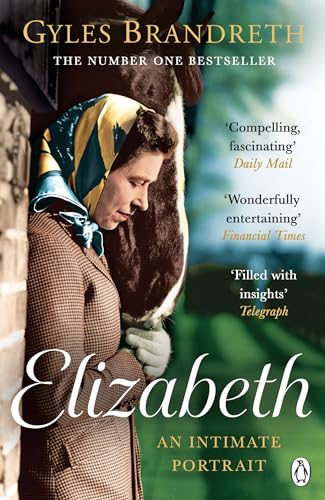
Prince Philip once told royal author Gyles Brandreth that Queen Elizabeth had “the patience of a saint.” She rarely lost her temper—certainly never in public—and as Brandreth wrote in his bestselling biography, Elizabeth: An Intimate Portrait, the late Queen never did “anything that could for a moment be described as undignified.” Perhaps that’s why it was so upsetting to Queen Elizabeth when she was accused of storming out of a photo shoot with legendary photographer Annie Leibovitz.
In 2007, the late Queen posed for Leibovitz at Buckingham Palace, and as Brandreth noted, Elizabeth “occasionally, but very rarely” got annoyed “with photographers and film crews if she felt they were being intrusive or making an unnecessary fuss.”
Vogue, who spoke with Leibovitz after Queen Elizabeth’s death, reported that Her Majesty “arrived late, not in a terribly good mood, and was wearing a tiara, which wasn't in Leibovitz's plan.” However, according to Brandreth, wearing a crown and her Order of the Garter robes had been “agreed in advance.”
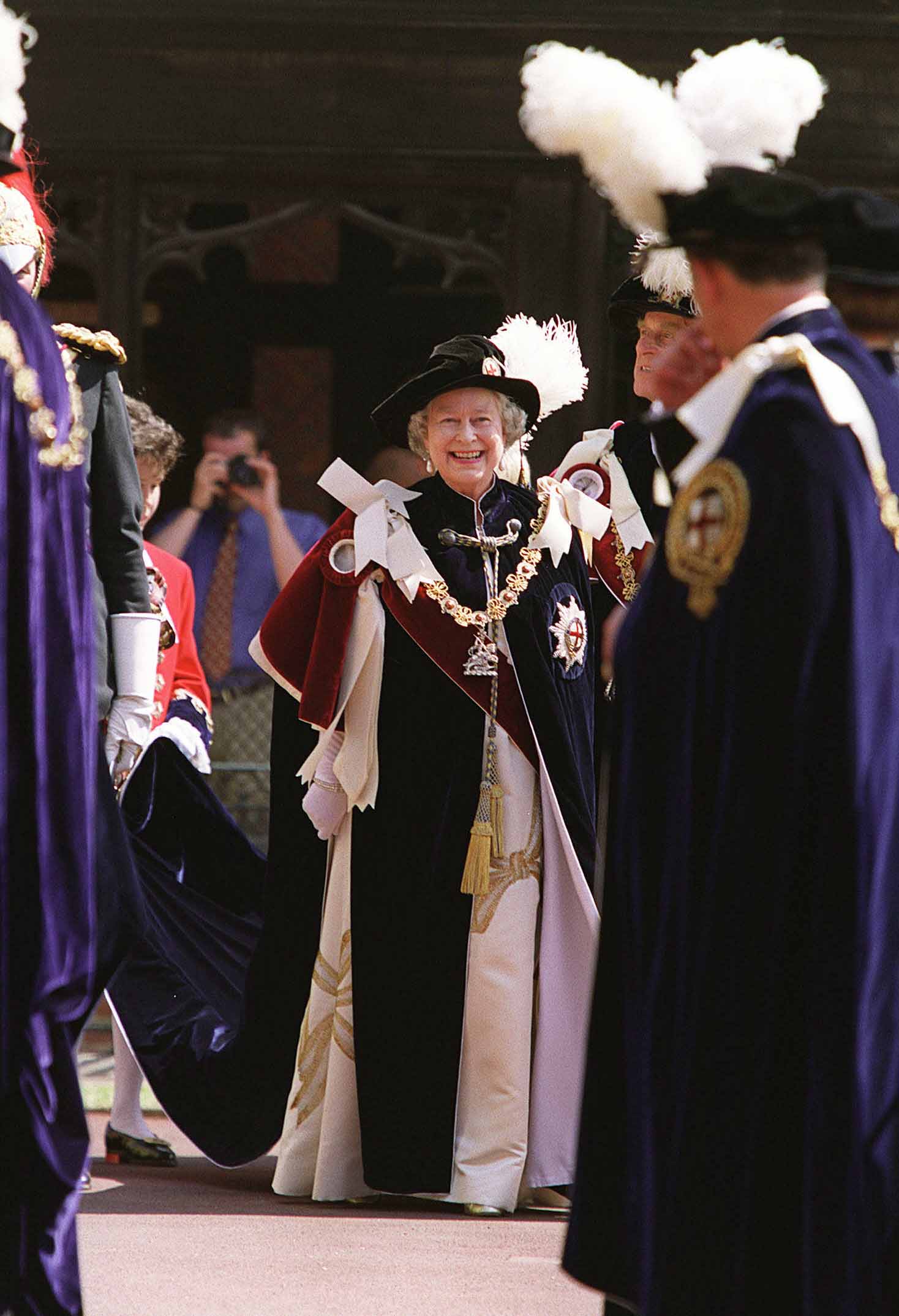
The session was filmed for the documentary A Year With The Queen, and in a clip, the photographer suggests that Queen Elizabeth remove her crown to make the look “less dressy.”
“Less dressy? What do you think this is?” the monarch exclaimed. In a scene from a trailer for the documentary that was showed to journalists, Queen Elizabeth was then seen briskly walking down a palace hallway saying, “I’m not changing anything. I’ve had enough dressing like this, thank you very much.”
The implication was that the late Queen had left the session in anger, but actually, the footage was taken as she was walking to the photo shoot. “She did not storm out at all,” Brandreth wrote.
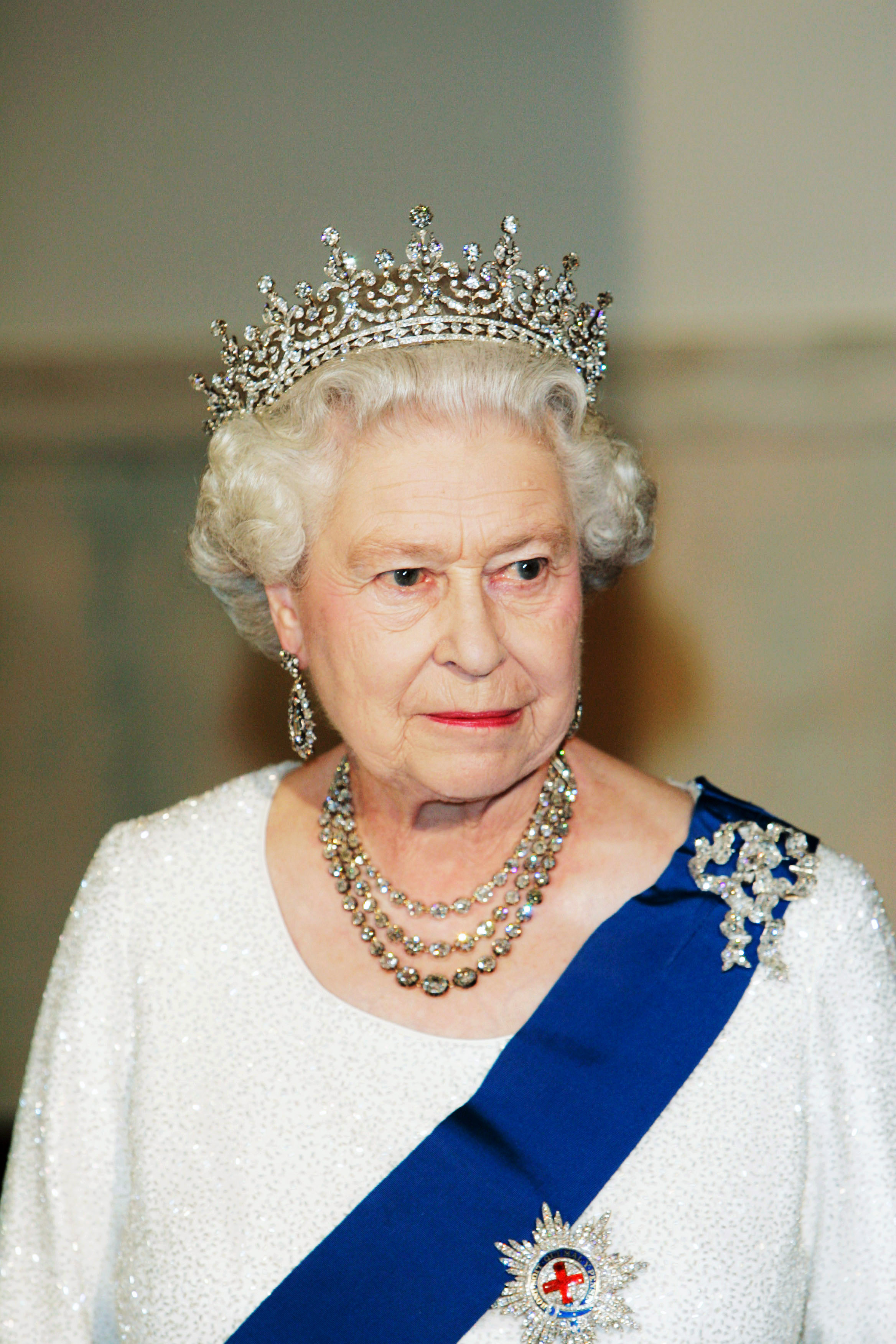
The BBC issued an apology to Queen Elizabeth and as a result, the controller “who had told journalists the trailer showed the Queen ‘walking out in a huff’ resigned,” the author continued.
As for Leibovitz’s account of the day, she told Vogue that one comment from Queen Elizabeth took her by surprise.
“At one point when things had calmed down—after the misunderstanding about her wearing the tiara or not wearing the tiara—she settled into the shoot and became quiet,” the photographer recalled.
“She then said, ‘I think Princess Margaret would have been a much better subject.’ That moment of vulnerability—it makes me cry right now to think of it…that there was this moment in the middle of the session when she thought that maybe she was not a good enough subject, that she kind of questions herself. We got to see all sides of her that day.”
Read on the original site
Open the publisher's page for the full experience