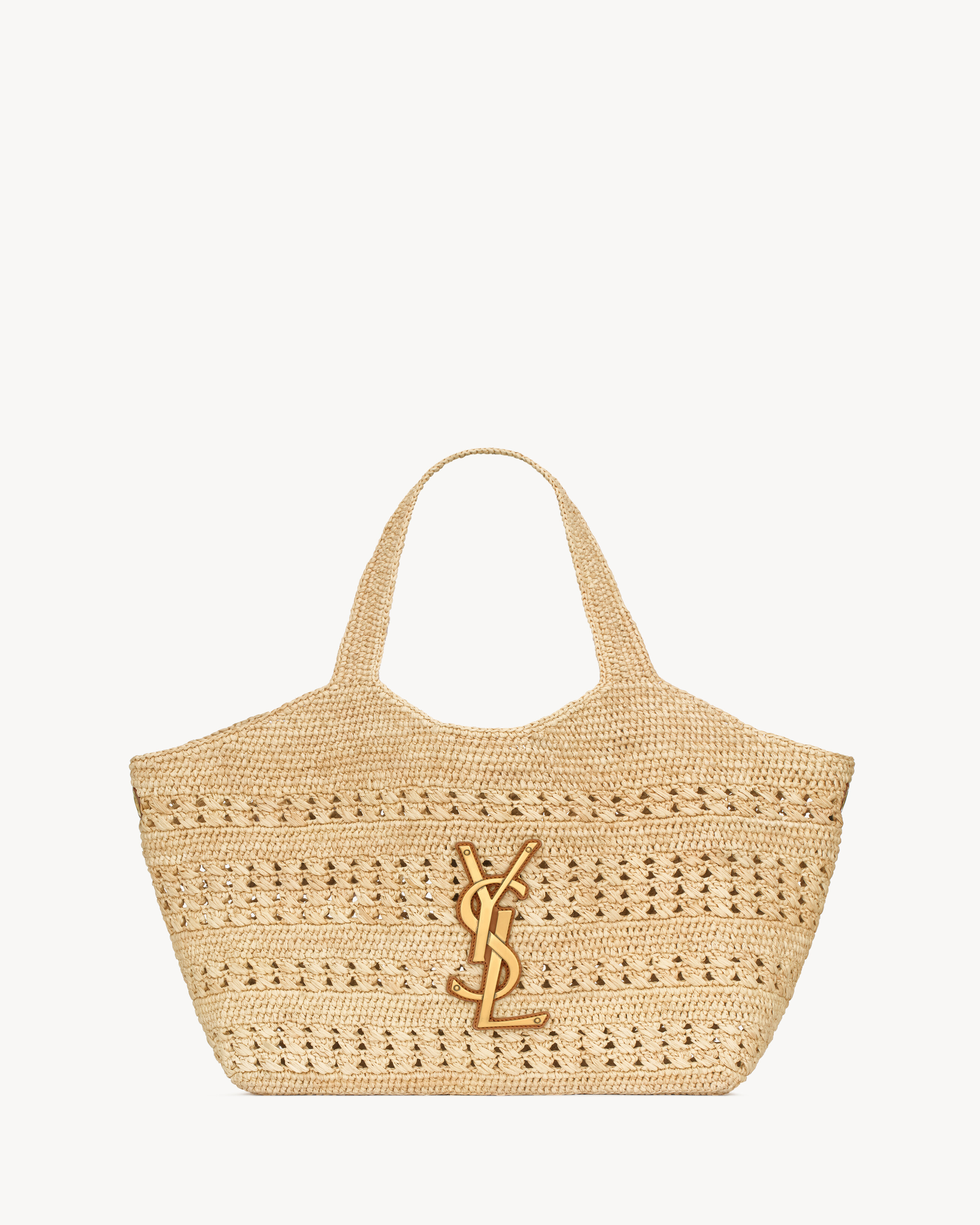
There is a particular kind of quiet that arrives with the first truly warm day, when the instinct to shed layers extends beyond clothing and into the very objects we carry. The piece on the Saint Laurent raffia bag captures this shift with a precision that feels less like a trend report and more like a shared confession. We recognise the moment: the heavy leather suddenly feels like a burden, and the mind turns to woven textures, sun-faded linens, and the soft rustle of natural fibres. It is not about discarding luxury, but about redefining what it means to feel polished. This is the same sensibility that guides our quiet edit of 26 pieces our editors are wearing now, where restraint becomes the ultimate statement.
Our take is simple: this bag is not an accessory, it is a mood. The appeal of the raffia style lies in its refusal to try too hard, a principle that resonates deeply with the way we view modern femininity. It is sensual without being loud, intentional without being fussy. When we look at how figures like Pamela Anderson navigate a month of Venetian grace and Vogue moments, we see the same thread: a woman who understands that true confidence is internal, and that what you carry should feel like a natural extension of your own presence, not a costume. The bag is merely the vehicle for that self-assurance.
For our reader, the practical takeaway is permission. Permission to put down the structured satchel and pick up something that feels lighter, both physically and energetically. We would tell you this: you do not need to overhaul your wardrobe to capture this spirit. You need one piece that makes you feel like yourself, unforced. The Saint Laurent raffia bag works because it does not scream for attention; it waits for the eye to find it, rewarding a closer look with texture and craft. It is the same principle behind the protective styles and textures defining the season, the best choices are the ones that feel like an honest reflection of who you are, not a performance for anyone else.
The question we are left with is not whether to buy the bag, but whether we are willing to embrace the ease it represents. That is the real shift: moving from accumulation to intention, from showing off to settling in. Watch how the piece holds its place in your rotation long after the summer fades. If it survives the season change, you have found more than a trend. You have found a quiet constant.