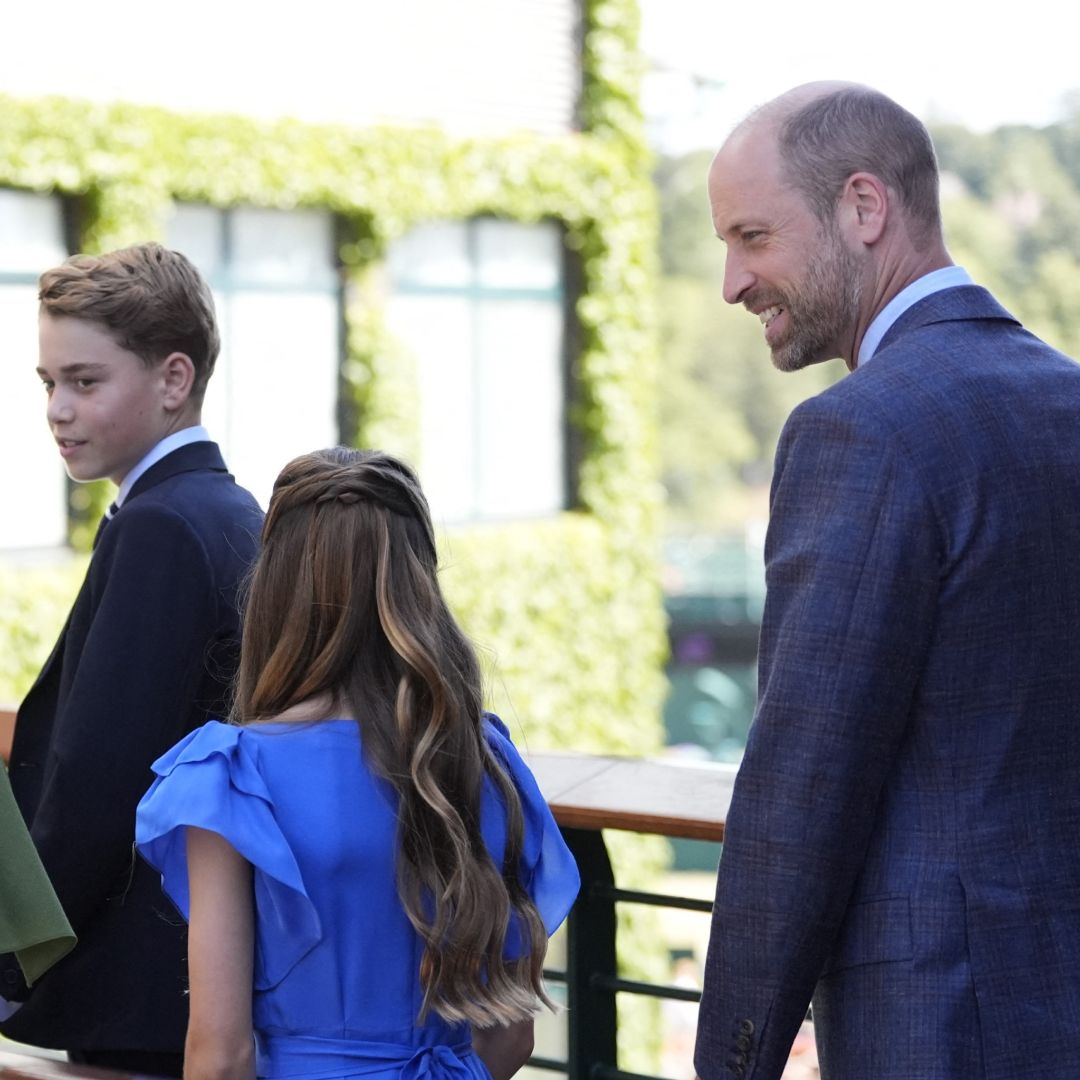
There is a particular kind of grace in doing what is expected of you, not out of compliance, but out of a quiet understanding of the role you play. Prince George's impending arrival at Eton College this autumn feels less like a news story and more like a study in continuity. As he turns 13 on July 22, the future King leaves the nursery behind for the stone courtyards his father once walked. It is a transition that speaks to something deeper than tradition; it speaks to the value of being anchored in a legacy that asks for composure rather than fanfare. The decision, while unsurprising, carries a weight that feels intentional.
For the Prince of Wales, sending his eldest son back to his own alma mater is not about nostalgia. It is a deliberate choice to offer George a foundation of discipline and privacy, two things that are increasingly rare in the public eye. This is the same quiet confidence we often explore in our own editorial lens, the kind that The Quiet Confidence of Knowing When to Walk Away captures so well. There is a moment when you realize that the most powerful decisions are not the loudest, but the ones made in the still hours, with a clear mind. For William and Catherine, this is that moment. They are not shielding George from the world; they are giving him the tools to navigate it with his feet firmly planted.
What strikes us is the emotional undercurrent in what might otherwise be a procedural headline. There is a softness to this story, a recognition that a chapter is closing. Catherine, reportedly feeling the weight of the moment, embodies the truth that motherhood and letting go are not opposites, but partners. This echoes the sentiment we touched on in our piece about A Lingering Wish: Exploring King Charles’ Enduring Hope, where we reflected on the enduring nature of a father's hope. Charles watches his grandson step into the same halls he once occupied, and one wonders if he sees the thread of history pulling taut. The hope is not for George to be great in the abstract, but to be good in the concrete, to learn the lessons that only a place like Eton can teach: resilience, brotherhood, and the quiet dignity of service.
Our take is simple. This is not a story about a school. It is a story about the architecture of character. In a world that often mistakes noise for influence, the Waleses are choosing a slower, more deliberate path. They are teaching George that relevance is not found in the spotlight, but in the strength of your own convictions. If we were asked for advice on this, we would say watch how this young prince carries himself in the next five years. That will be the real testament. The takeaway here is that true royalty is not about the crown, but about the conduct. And in this decision, we see a family that understands the assignment, not just to the throne, but to themselves. The question that lingers is not whether George is ready for Eton, but whether Eton is ready for the quiet gravity of a future king who is being shaped, not sheltered, by his inheritance.