There is a specific kind of confidence that does not need to announce itself. It arrives quietly, through consistency rather than volume. Hillary Kerr has embodied this for two decades, and her recent reflection with us, marking twenty years since cofounding Who What Wear, is less a victory lap than a calm acknowledgment of something rare: longevity earned through intention, not noise. She says it plainly: her younger self would be proud of building a brand with real longevity and relevance. We would argue that the pride is earned precisely because she never chased the momentary. In an era where fashion media cycles accelerate and burn out, Kerr's trajectory offers a different model, one rooted in steady evolution rather than constant reinvention. This is a useful lens through which to consider The Edit: What We Carried Then vs What We Carry Now, a piece that traces how our own closets have shifted across the same timeline. What remains constant, in both stories, is the value of pieces that outlast a season.
Kerr's personal style has not been static, but it has been deliberate. She describes her aesthetic as "Hitchcock heroine gone bad" and admits that until recently she did not wear trousers at all. Now she does, and the shift feels less like a trend adoption and more like a natural expansion of self. This is the kind of evolution that resonates, not a complete transformation, but a quiet refinement. She identifies three hyper-specific wardrobe staples she cannot imagine living without: a black leather midi pencil skirt (she owns five or six), a slouchy mohair topcoat from Auter, and leopard slingbacks. Each item is specific, tactile, and deeply personal. They are not generic recommendations; they are evidence of a woman who knows exactly what works for her. That clarity of self-knowledge is the foundation of true style, and it is the same clarity that has guided her professional choices. It is worth noting, too, that her go-to inspiration source is celebrity stylists like Karla Welch, professionals who build narratives through clothing rather than simply dressing for attention. This aligns with the emerging designers we have been watching closely in The New Guard of Design Emerges From LA, London, and NYC, many of whom share Kerr's instinct for quiet authority over loud statements.
What strikes us most, however, is how Kerr describes her work now. As Future's SVP of women's and luxury, homes, music, photography, and design, her days involve calls across time zones, podcast recordings, late-night newsletter edits, and a nightstand perpetually stacked one book higher than the week before. She rereads Joan Didion's *Slouching Towards Bethlehem* every summer. She watches *30 Rock* as a comfort show. She recommends Lands' End sheets alongside Negative's whipped long-sleeve shirt. There is no hierarchy of taste here, only discernment. This refusal to gatekeep the practical alongside the aspirational is part of why her audience trusts her. Her newsletter, *Hi Everyone With Hillary Kerr*, has moved products from Paige jeans to Alison Roman cookbooks, not because of aggressive marketing, but because the recommendations feel like they come from a friend whose judgment you respect. She advises young female entrepreneurs that they will work harder than they ever imagined possible, and she does not soften the statement. It is honest, direct, and free of platitudes. That is the voice we recognize: confident enough to state the truth without dressing it up.
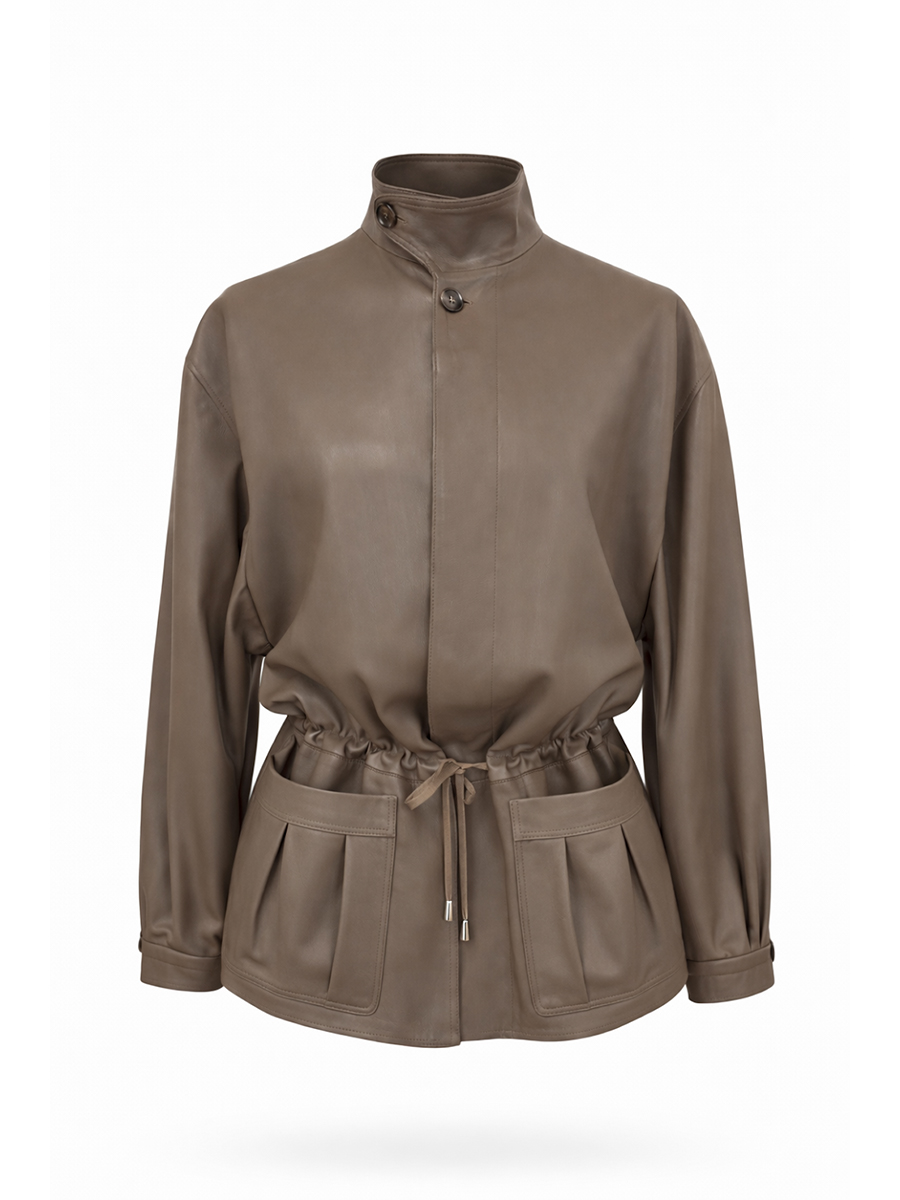
The practical takeaway for our readers is this: longevity in any creative field is not about being first or loudest. It is about building something that can hold your weight as you change. Kerr's career proves that relevance does not require constant reinvention, it requires a steady hand, a clear eye, and the willingness to let your taste evolve without abandoning your core. Her initial story for Who What Wear was about leather jackets. Twenty years later, she would still write that story, because the object itself endures even as its expression shifts. That is the question worth sitting with: what in your own life, your wardrobe, your work, your habits, would you still choose today, and what are you finally ready to let go of?