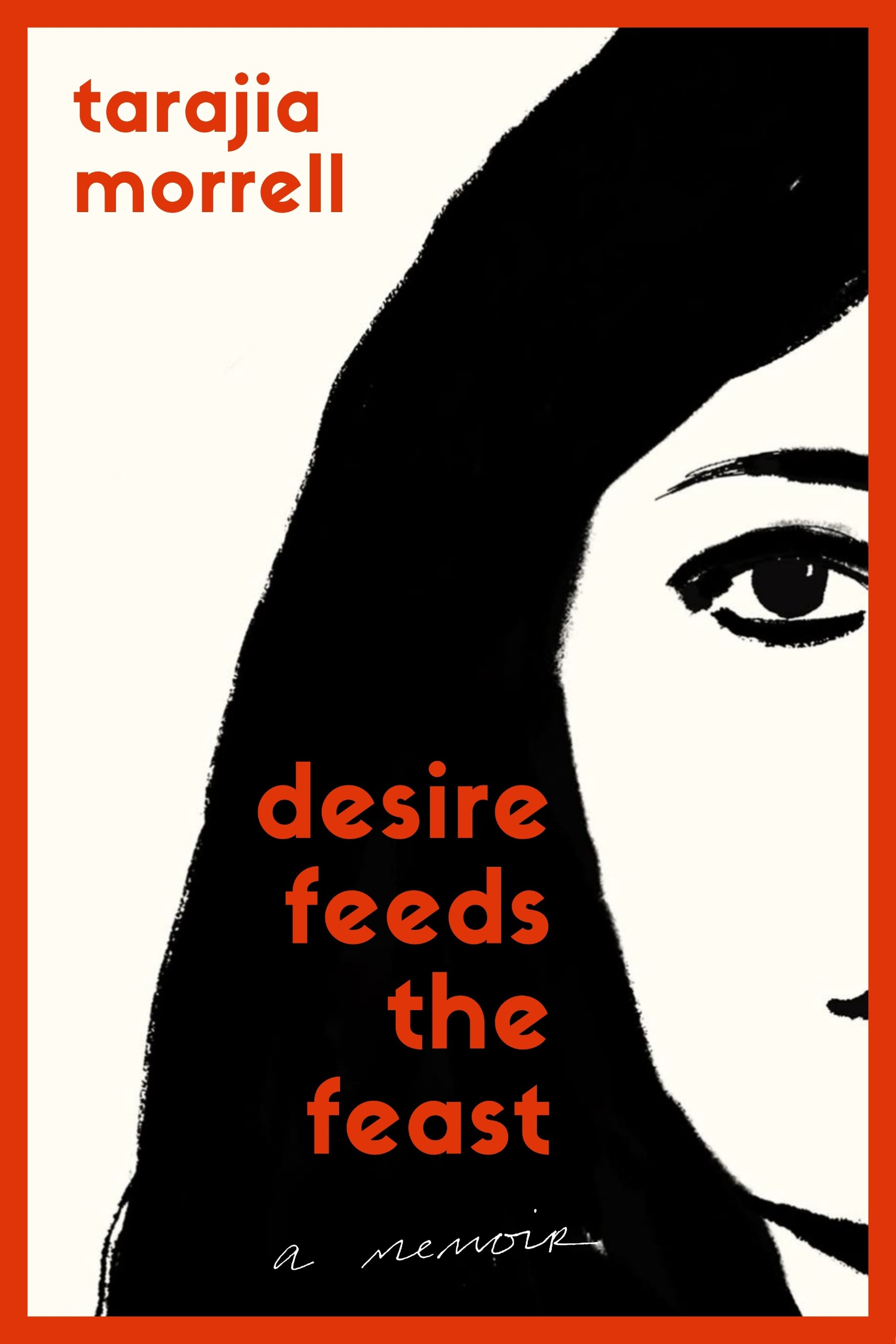
There is something profoundly unteachable about the kind of knowing that comes from your hands in the soil, and Tarajia Morrell's story proves it. When medicine failed her, when a fertility doctor dismissed her with the casual cruelty of a man shuffling papers, when her body refused to cooperate with the hormones and the protocols, she did not find her answer in another specialist's office. She found it in the garden. And what she learned there about motherhood, about patience, about the slow and unglamorous work of creating life, is precisely the kind of wisdom that no prescription can fill. It is a quiet, radical reframing of desire itself, and it resonates deeply with the broader cultural shift we are seeing toward intentionality over hustle. This is not unlike the move away from loud, alcohol-fueled socializing toward something more deliberate, as explored in Wellness Over Mixers: The Quiet Rise of Campus Pilates Parties. Both stories ask the same question: what happens when we stop forcing the standard path and start listening to our own instincts?
Morrell's excerpt is painful in its honesty. She describes the grief of failed egg retrieval not as a single moment of disappointment, but as a weeks-long dissolution into a liminal state, "like a frog whose body half freezes in a frozen pond, alive but not exactly living." That image stays with you. It is the language of someone who has learned to sit with discomfort rather than rush past it, and it is precisely that quality, the willingness to be still, that gardening demands. You cannot force a seed to sprout on your timeline. You can only prepare the soil, provide water and light, and wait. In turning to nature, Morrell was not escaping her pain; she was apprenticing herself to a different kind of time. She was learning that the body's refusal to comply was not a betrayal, but a redirection. This is a difficult truth for anyone raised on the idea that effort guarantees outcome, and it is a truth that applies far beyond fertility. It applies to the way we curate our lives, our homes, even our wardrobes. The same spirit of patient discernment shows up in the slow, edited approach to personal style, as seen in The Roman Edit: 12 Vintage and Tailoring Finds I Actually Shopped, where the value lies not in volume but in the deliberate selection of pieces that actually fit.
What Morrell's story ultimately offers is not a tidy resolution, but a recalibration. She does not claim that gardening fixed her grief or that her daughter arrived as a reward for her patience. She simply shows us the shift in perspective that occurred when she stopped hunting for a solution and started tending to the ground beneath her feet. The specific takeaway here is blunt: sometimes the most fertile ground is not the one we are told to cultivate. For women navigating the pressure of timelines, biological, professional, romantic, her story is a permission slip to trust the pull toward what feels true, even when it looks inefficient or strange to the outside world. The garden does not care about your savings account or your doctor's schedule. It only asks that you show up, pay attention, and accept that some things take longer than you hoped. That is not a lesson medicine can teach. It is a lesson the earth teaches, slowly, season after season, to anyone still willing to kneel down and listen.