ethical sourcing
Chiara Bransi keeps ethical sourcing in one place: 21 stories so far. The section currently leads with “Sourcing Linen With Intention for a Quiet-Luxury Wardrobe”, “Sourcing Linen in India, Where Fabric Meets Feminine Vision”, and “The Quiet Art of Making: What Sustainable Crafting Actually Requires”. There is something quietly radical about choosing linen with intention, not trend. India is where the story of linen begins for Chiara Bransi, not as a transaction, but as a quiet meeting between raw fiber and feminine vision. Who Chiara Bransi Is Chiara Bransi is a German-born lifestyle and fashion influencer, blogger, model, and entrepreneur. She rose to prominence by sharing… The list below is every ethical sourcing story on Chiara Bransi, newest first.
Sourcing Linen With Intention for a Quiet-Luxury Wardrobe
There is something quietly radical about choosing linen with intention, not trend. This piece traces that fabric back to its source, where material meets meaning. Linen is not a statement; it is a feeling, breathable, tactile, honest. A quiet-luxury wardrobe asks for this kind of consideration, where every fiber reflects a deliberate eye. For deeper reflection on how fabric shapes feminine vision, *Sourcing Linen in India, Where Fabric Meets Feminine Vision* offers a natural companion.
Sourcing Linen in India, Where Fabric Meets Feminine Vision
India is where the story of linen begins for Chiara Bransi, not as a transaction, but as a quiet meeting between raw fiber and feminine vision. The sourcing process becomes an act of intention, of choosing fabric that feels like an extension of self. There is confidence in knowing where something comes from. For those drawn to *The New Standard for Sustainable Style Is Quiet Confidence*, this is the same thread, woven deeper.
The Quiet Art of Making: What Sustainable Crafting Actually Requires
The instinct to refuse virgin materials is already a quiet act of integrity. Buying recycled yarn or fabric from a source like FABSCRAP is a meaningful first step, but sustainable crafting demands more than a single transaction. The real work lies in understanding what your hands are holding, whether a fiber is truly biodegradable, how it was processed before it reached you. *Pre-owned natural fibers: biodegradable, recycled, or both* explores that exact tension, and it is worth reading before you buy a single skein.

Living With MCAS When Your Body Chooses What You Can Wear
She began making her own jewellery because her body rejected everything else. That kind of necessity breeds a rare clarity. What strikes me most is her refusal to let illness erase her identity, while also refusing to let commerce erase the planet. The gemstone dilemma is real, and it deserves more than a binary answer. For deeper context on tracing a garment's true cost, *Beyond the Label* offers a useful framework. She is asking the right questions. That is already a kind of luxury.
Beyond the Label: How to Trace a Garment's True Cost
The label says organic cotton, but it says nothing about the hands that stitched it. That silence is the real cost we're learning to trace. Choice sounds like a thoughtful starting point, yet the deeper question lingers: do brands ever share enough to follow a garment back to its factory? Some do, though rarely with full transparency. *The Quiet Cost of Inclusivity's New Era* reminds us that what we don't see often carries the heaviest price.
Elevated Style, Ethical Choices: Finding Your Conscious Closet.
There is a quiet tension in loving the aesthetic of a brand while questioning its soul. One reader recently asked for ethical alternatives to Don't Call Jennyfer, a label they admire but can no longer support. It is a familiar crossroads for those of us curating a conscious closet. The answer is not in perfection, but in intention. Seek out smaller brands prioritizing transparency and natural fibers; they offer a similar edge, minus the moral weight.

Sculpted Gold: Where Ethical Craftsmanship Meets Modern Luxury.
Gold has always asked us to consider its origins, and now we are finally answering. Sculpted Gold enters the conversation with a quiet authority, reminding us that where our gold comes from matters as much as how it feels against the skin. This is ethical craftsmanship at its most refined, a deliberate marriage of conscience and modern design. It feels like the natural evolution of our style philosophy, much like our recent exploration of intentional details this fall.
Cultivating Conscious Style: A Weekly Space for Sustainable Fashion.
There's a quiet ritual in choosing what we wear, and this space honors that. Cultivating Conscious Style is where we slow down, together, to explore sustainable fashion without pretense. It's a gentle conversation for those who want their values to feel as considered as their aesthetic, free from judgment. For more on refining your approach with intention, our piece on "Elevated Fall Style: Subtle Shifts for Lasting Impact" offers a fitting starting point. Bring your perspective; the dialogue is best when it's kind.
Intentional Threads: Discovering Australia's Quietly Sustainable Essentials.
There is something quietly radical about a t-shirt made to order. A reader recently asked about Citizen Wolf in Marrickville, a company crafting tees to size rather than from a rack. I have not tried them, but the concept feels aligned with a slower, more intentional approach to dressing. Sustainability should not require compromise. For those seeking deeper guidance on this philosophy, our related piece on natural fibres offers thoughtful direction.
Shop Smarter: A Chrome Extension for Conscious Consumerism
There is a quiet tension in shopping online: the desire for beauty versus the need for integrity. A Chrome extension that surfaces a product's stated materials and certifications, alongside a brand's sustainability news, speaks to that exact friction. It feels less like a tool and more like a filter for modern femininity. The real question is whether we crave that clarity enough to seek it. I suspect we do, but only if the experience feels as effortless as the lifestyle it promises.
Cultivating Conscious Style: A Weekly Space for Sustainable Fashion.
There is a quiet ritual in tending to what we already own. This week, we gather to talk about sustainable fashion with the same gentleness we might offer a well-loved garment. It is a space for questions, for shared discoveries, and for the small choices that feel intentional rather than restrictive. We are not here for perfection, simply for presence. For those seeking a deeper starting point, our piece on reworking a beloved tee offers a gentle nudge into the practice.
Cultivating Conscious Style: A Weekly Space for Sustainable Fashion.
There is a quiet ritual in deciding what we keep, and this weekly space honors that. Each week, we gather to explore sustainable fashion with a gentle hand, no judgment, only curiosity. It is less about perfection and more about presence in our choices. Our recent piece, "The Quiet Power of Sustainable Style: A Survey on Mindful Fashion Choices," touched on this same reflective energy.
Curating a Conscious Closet: Exploring Sustainable Fashion's Many Paths
The question of what makes fashion truly sustainable rarely has a single answer, and the discussion on r/malefashionadvice captures that beautifully. Dr. Anna Brismar's seven forms framework offers a thoughtful structure for this complexity, and I find her breakdown both practical and inspiring. Personally, high quality and timeless design, green and clean production, and fair and ethical practices resonate most deeply, both in my own wardrobe and in how I approach Nome Studio.
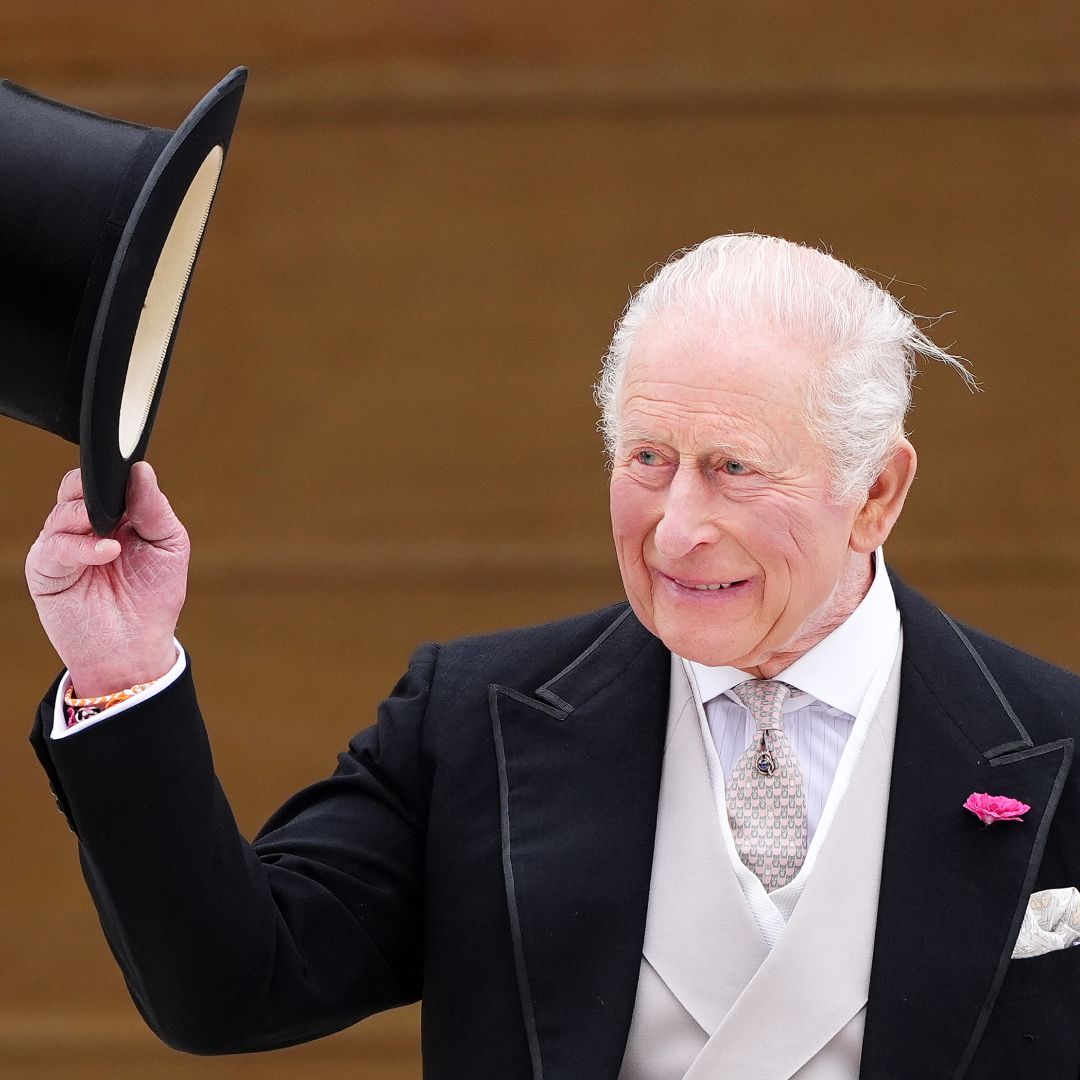
A Royal Vision: Revisiting Charles's Foresight and Enduring Influence.
Long before it was fashionable, King Charles saw the world differently. His foresight was never a performance; it was a quiet conviction, a lens through which he has always viewed our shared future. We admire that steady certainty. He doesn't need to shout about being right. His enduring influence is felt in the quiet commitment to his principles. It is a lesson in patience, which feels more relevant than ever.
Conscious Threads: Designing a Sustainable Luxury, Inside and Out.
There is a rare kind of confidence in building a brand on integrity before hype. This founder is starting lean, not loud, and that restraint feels intentional. The vision is clean supply chains, honest fabric education, and circular systems that keep clothes from landfills. It is quiet luxury with a conscience. I admire the refusal to compromise on design or quality. For those curious about mindful choices, *The Quiet Power of Sustainable Style* complements this conversation well.
Conscious Threads: Designing a Sustainable Luxury, Rooted in Intention.
There is a rare patience in building a brand on intention rather than noise. Conscious Threads approaches sustainability not as a marketing angle, but as a quiet discipline. The commitment to a clean supply chain, net-neutral impact, and circular lifecycle feels less like a checklist and more like a philosophy. This is the kind of slow, deliberate work that resonates deeply. It is honest, grounded, and refreshingly clear. For those exploring similar values, our piece on mindful fashion choices offers a thoughtful parallel.
Cultivating Conscious Style: A Space for Sustainable Fashion Conversations.
Fashion's quietest moments often speak the loudest. This space invites us to slow down and consider what we wear beyond the surface. Sustainable fashion isn't about perfection; it's about intention, a softer way of choosing. I find that pieces like the ones in "Airy Femininity Takes Center Stage in Dior's Spring 2027 Vision" echo this sentiment beautifully. Here, we can share thoughts, ask questions, and support one another in making mindful choices. No judgment, just a shared curiosity. Let's explore this together, gently.
Finding Beauty Responsibly: Ethical Alternatives to Your Favorite Pieces
There is a particular ache in loving a piece of clothing that does not love you back. That Penneys top, alluring in its cut yet rooted in polyester, asks a quiet question about where our pleasure ends and our principles begin. It is a dilemma many of us know intimately. The answer is not a perfect one, but it is a path. For those seeking a softer footprint, exploring reworked garments can be a beautiful start.
Mindful Samples: Slow Fashion's Approach to Zero Waste.
A password-protected archive feels like the right answer to a quiet problem. Nomé Studio's founder isn't shouting about waste; she's simply redirecting it with intention. The "fewer, better things" philosophy holds weight here, and gating these pieces behind a community wall keeps the energy respectful rather than reactive. It avoids the frantic pulse of a flash sale while still honoring the garment's life. For those exploring similar territory, our piece on *The Quiet Power of Sustainable Style* touches on this mindful selection process.
Wearing Well: Rethinking Fast Fashion and Enduring Style.
There is a quiet thoughtfulness in this question, one that many of us recognize in our own choices. The user isn't asking for permission, but for clarity on where intention ends and impact begins. Rewearing a garment for years is a form of resistance, a small act of resourcefulness. It is not the same as mindless consumption. Yet the ethics rest less on the individual item and more on the system that produces it.
Durable Threads: Ethical Workwear for Demanding Conditions.
Filling propane bottles from five to one hundred pounds demands more than grit; it demands fabric that can keep pace. The search for ethical workwear built for that heat is a quiet recognition that labor and values should not be at odds. Durable Threads appears to answer that call with intention. This feels like the kind of understated, purposeful choice that echoes the philosophy behind *The Quiet Power of Sustainable Style*, a nod worth exploring further.