natural fibers
39 stories filed under natural fibers on Chiara Bransi. The newest of them: “Defining the woman behind your limited-run sustainable collection”, “The Quiet Luxury of Organic Cotton Maternity Wear”, and “The Classic Tee as a Quiet Wardrobe Staple Worth Stocking”. She lives in a quiet corner of Copenhagen, where mornings are slow and fabric matters. There is something quietly radical about asking for organic cotton maternity wear, not because the request is loud, but because it refuses the disposable aesthetic that pregnancy fashion so often settles for. Who Chiara Bransi Is Chiara Bransi is a German-born lifestyle and fashion influencer, blogger, model, and entrepreneur. She rose to prominence by sharing… The list below is every natural fibers story on Chiara Bransi, newest first.

Defining the woman behind your limited-run sustainable collection
She lives in a quiet corner of Copenhagen, where mornings are slow and fabric matters. This woman doesn't chase trends, she curates. Her wardrobe holds 25 pieces, each chosen with intention. The quarter-zip in extra-fine merino wool feels like a second skin; the layering vest moves with her through gallery openings and grey afternoons. She values scarcity not for status, but for meaning. For her, sustainability isn't a label, it's the thread that holds everything together.
The Quiet Luxury of Organic Cotton Maternity Wear
There is something quietly radical about asking for organic cotton maternity wear, not because the request is loud, but because it refuses the disposable aesthetic that pregnancy fashion so often settles for. Soft leggings, wide-leg pants, flowing dresses. This is clothing meant to hold both body and breath. For anyone who has felt the dissonance between luxury and motherhood, this search feels like a recalibration.
The Classic Tee as a Quiet Wardrobe Staple Worth Stocking
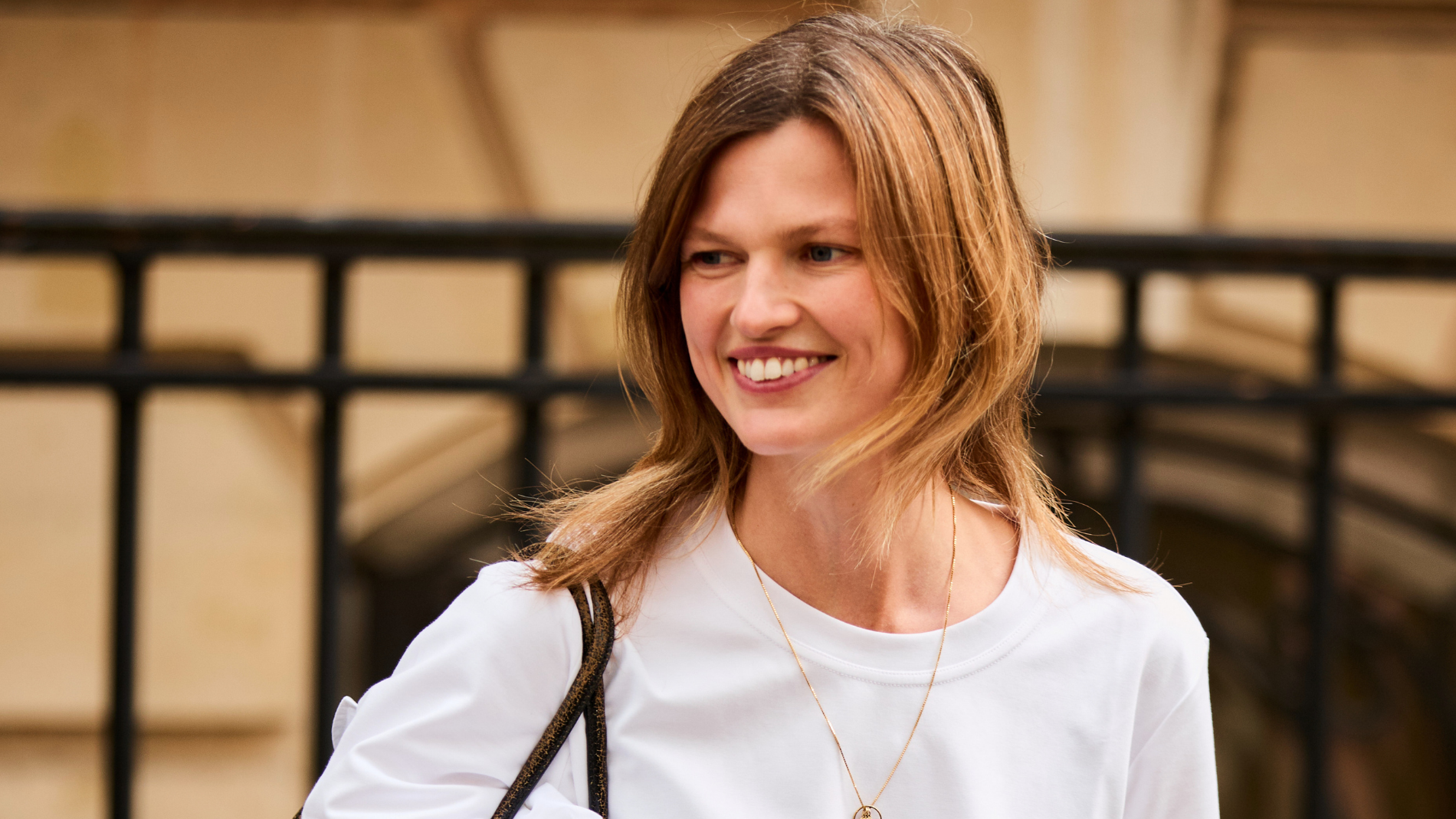
A single, perfectly cut white tee holds more presence than a rack of trend-driven tops. The Classic Tee earns its place as a quiet wardrobe staple worth stocking in bulk, no logos, no fuss, just refined ease. This is the foundation piece that makes everything else feel intentional. For more on building a cohesive closet, our guide to *Fall Trends That Feel Intentional* explores similar thoughtful curation through Zara's chic new arrivals.
The quiet art of crafting fabric from the banana plant
There is something deeply poetic about turning the banana plant into cloth. The process feels ancient, intentional, a quiet craft that asks for patience rather than speed. This video captures that transformation with the reverence it deserves. It reminds me of the tension we explored in *"Can Sustainable Style Keep Up With Clubwear's Daring Edge"*, the slow work of material honesty against fashion's demand for immediacy. Here, the fabric itself becomes the story.

From fiber to future, what would you pay for the clothes you covet
There is something quietly compelling about building a brand from the inside out, starting not with a business plan, but with a needle and thread. This creator is asking the right question before most even think to: what would you truly pay for something made with intention? Her hesitation feels familiar, even wise. She is not rushing toward production; she is inviting curiosity first. For those drawn to the philosophy of mindful making, *The Quiet Edit* offers a parallel meditation on fabric and honesty.
The Quiet Edit A Chrome Tool That Reads Fabric Honestly Before You Buy
There is something quietly radical about a Chrome extension that refuses to let you romanticize a garment. Wovyyn reads fabric composition and price on a product page, then tells you plainly: buy, wait, or pass. The sustainability score treats recycled polyester as better than virgin but still far below natural fibers, which feels right to me, recycling plastic does not make it linen. For an 80/20 cotton-recycled poly blend, I would place it in the middle, honest about compromise.
The Quiet Search for Quality at Any Price
There is something quietly maddening about hunting for a simple pair of navy pinstripe trousers and finding only synthetics at luxury prices. I understand the search intimately. Quality in natural fibers has become a rarity under six hundred dollars, yet the desire for it feels anything but excessive. This pursuit mirrors the quiet art of choosing sleepwear that matches your rhythm, a reminder that true refinement lies in what we feel against our skin.

The Quiet Art of Choosing Sleepwear That Matches Your Rhythm
You've probably bought a beautiful pair of pajamas, only to spend the night kicking off the covers at 2 a.m. Sleepwear is intimate, yet we often choose it by appearance alone. *The Quiet Art of Choosing Sleepwear That Matches Your Rhythm* considers fabric weight, cut, and breathability as extensions of how we rest, not just how we look. It echoes the same refined sensibility found in *The quiet return of elegance: why refined bags are replacing the oversize*.
Cotton Thigh-Highs for the Waist-Sensitive Wardrobe
There is something quietly radical about dressing around a sensitivity rather than ignoring it. Thigh-highs that climb all the way up the thigh, held in place by cotton rather than elastic, this is not a search for compromise, but for a garment that honors the body's boundaries. The right pair exists somewhere between structure and softness. For those building a wardrobe of intention, even the smallest layers deserve that same care. *The Quiet Luxury of Slow Drying* explores a similar patience with fabric.
Sourcing Linen With Intention for a Quiet-Luxury Wardrobe
There is something quietly radical about choosing linen with intention, not trend. This piece traces that fabric back to its source, where material meets meaning. Linen is not a statement; it is a feeling, breathable, tactile, honest. A quiet-luxury wardrobe asks for this kind of consideration, where every fiber reflects a deliberate eye. For deeper reflection on how fabric shapes feminine vision, *Sourcing Linen in India, Where Fabric Meets Feminine Vision* offers a natural companion.
Sourcing Linen in India, Where Fabric Meets Feminine Vision
India is where the story of linen begins for Chiara Bransi, not as a transaction, but as a quiet meeting between raw fiber and feminine vision. The sourcing process becomes an act of intention, of choosing fabric that feels like an extension of self. There is confidence in knowing where something comes from. For those drawn to *The New Standard for Sustainable Style Is Quiet Confidence*, this is the same thread, woven deeper.
Pre-owned natural fibers: biodegradable, recycled, or both
There is something deeply thoughtful in asking whether pre-owned natural fibers, organic cotton, linen, bamboo, wool, silk, can be both biodegradable and recycled. The answer is yes, with nuance. Pre-owned textiles inherently bypass virgin production, which is already an act of preservation. When fibers are natural and untreated, they will biodegrade. Recycled simply means they have lived a first life. You are extending that life, which is the quietest form of resistance.
The Quiet Art of Making: What Sustainable Crafting Actually Requires
The instinct to refuse virgin materials is already a quiet act of integrity. Buying recycled yarn or fabric from a source like FABSCRAP is a meaningful first step, but sustainable crafting demands more than a single transaction. The real work lies in understanding what your hands are holding, whether a fiber is truly biodegradable, how it was processed before it reached you. *Pre-owned natural fibers: biodegradable, recycled, or both* explores that exact tension, and it is worth reading before you buy a single skein.

The Quiet Tension Between Price and Knowing Your Fabric
There is a particular vulnerability in admitting you don't know your wool from your cotton, and yet it is the only path to true refinement. Knowledge of fabric is not snobbery, it is self-respect. Price becomes meaningless without the language to understand what you are holding. We learn the names of artists we admire; surely our clothes deserve the same intimacy. For deeper conversations on intentional craftsmanship, see *The Art of Upcycling: Hand-Sewn Denim Painted With Intention*.

The Quiet Calculus of Fiber: Why Biosynthetics Redefine Sustainable Luxury
There is a quiet mathematics to the fibers we wear, one that most of us never stop to calculate. This piece on biosynthetics caught my attention because it resists the easy binaries we lean on, the clean split between "natural" and "synthetic." It asks us to sit with the in-between, the semi-synthetic, the engineered yet biodegradable. I found myself re-reading passages, not because the subject is dense, but because the distinctions feel so relevant.
The Search for a Sweater That Feels as Good as It Looks
There is something quietly disheartening about a sweater that looks right but feels wrong. A certain dissonance lingers. The search for warmth without synthetic compromise is not merely practical; it is a matter of self-respect. *Sea_Zookeepergame51* asks a question many of us hesitate to voice. The answer often lies in patience and intention. For those drawn to this sensibility, our guide *A Curated Guide to Organic Cotton Essentials* offers a thoughtful starting point. Fabric, like confidence, should settle softly.

The Quiet Edit: Choosing Truly Clean Organic Labels for Baby
There is a particular kind of calm that arrives when a choice feels inevitable. For the parent behind *The Quiet Edit*, that clarity comes from deciding that clean, organic labels for baby are not a trend, but a quiet standard. It is a deeply personal curation of what touches the skin, reflecting a broader intention for the life you are building.
Finding Comfort: Gentle Waistbands for Sensitive Skin
There is a particular kind of exhaustion that comes from wanting to feel comfortable in your own clothes, only to be met with a waistband that digs in like a reminder of your own limitations. The search for gentle waistbands is deeply personal, and this reader's frustration with rigid, high-rise elastics is something I understand on a visceral level. Vuori's forgiving fit is a rare find, but the synthetic fabrics eventually betray sensitive skin, leaving you caught between comfort and irritation.
Embrace Cozy Moments: Finding the Perfect Chunky Knit Blanket
There is something deeply honest about admitting when a well-loved piece has reached its end. The heating blanket served its purpose, but poly fibers rarely hold warmth the way natural ones do. A chunky knit in wool or cotton offers more than heat; it offers texture, weight, a quieter kind of comfort. The search for quality feels familiar. For those drawn to intentional living, even this choice becomes part of a larger rhythm.
Designing for Departure: Circularity Starts with End-of-Life.
A single cotton tee, worn soft and finally torn beyond repair, often meets the bin. The landfill becomes its quiet end. My own exploration into circular design starts not with the product, but with its conclusion. Worm composting, industrial digestion, or fibre recovery each offer a different fate. I believe the most honest path is to design backwards from the most responsible exit, letting the material's end define its beginning.
Seeking Delicate Style: Natural Fabrics for Dreamy Aesthetics
There is a particular frustration in wanting softness, beauty, and romance in your clothing, only to find every dreamy piece is woven from synthetic threads. This search for natural fabrics in the himekaji, shoujo, and coquette aesthetics is a deeply relatable one, especially when your skin and your values demand better. It is a quiet rebellion to refuse polyester, and it is one worth honoring with patience.
Dark Academia Winter: Feminine Style Beyond the Tradwife Aesthetic
There is a particular quietness to a wool skirt that feels less like costume and more like character, and this reader's dilemma speaks to a shift many of us feel as the temperature drops. She wants femininity without the trappings of a tradwife, and dark academia offers that bridge with its scholarly restraint. The deep greens and blacks she already owns are a solid foundation, though the two plaid skirts likely read louder than intended.
Elevating Brands: Sustainable Fashion's Premium Storytelling Potential
There is a particular quiet confidence in asking an audience how many of them believe sustainable fashion is the future. It is not a demand for validation, but an invitation to share a worldview. The question carries weight because it comes from a weaver, someone who understands fiber on a tactile, intimate level. Natural materials are not a trend; they are a narrative. For brands, this is where premium storytelling begins, not with claims, but with the honesty of the thread itself.
Elevated Essentials: Blending Workwear & Weekend Style with Intention.
The question of blending workwear with weekend ease often circles back to fabric. The quiet luxury of a silk blouse or a tailored wool trouser does not clock out at five. This reader's intention to invest in secondhand pieces that serve both worlds is a thoughtful response to the chaos of fast fashion. It is a considered approach. It prioritizes longevity over volume, which feels like the most polished statement of all. For further inspiration, our piece on "Elevated Style" offers a starting point.