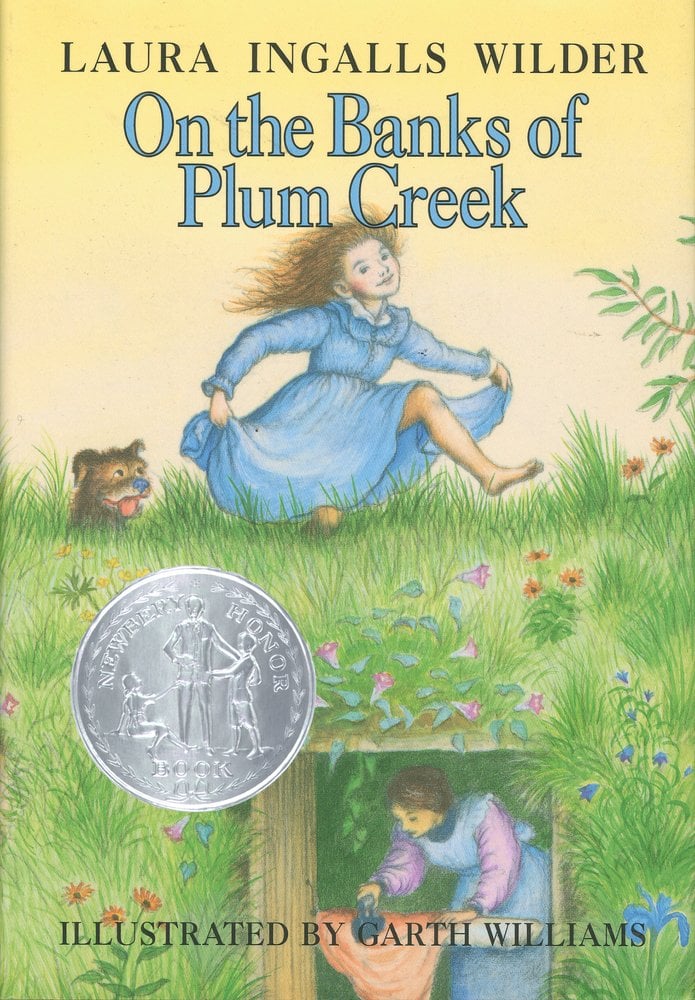
There is a particular kind of quiet that exists in the spaces between known stories. We have lived with Laura Ingalls Wilder's world for decades, through the beloved television series and the pages of her novels. But the prairie has always held more than what we have been shown. Netflix's revival, created by Rebecca Sonnenshine, understands this. It does not attempt to rewrite the past; it expands it, suggesting that the journey westward was never just about land or survival, but about the interior lives we rarely discuss. This is not a simple nostalgia play. It is a deliberate invitation to sit with the unsaid.
There is a resonance here with the way we often revisit the lives of women who came before us. We look at figures like Mariana Khalil, who transformed personal tragedy into an athletic ascent, and we see the same tension between public narrative and private truth. Similarly, the story of Nance O’Neil blurs the line between fact and fiction, reminding us that the record is rarely clean. What we are drawn to, time and again, is not the certainty of a documented life, but the emotional truth that lingers underneath. For Laura, that truth was not just about a little house on the plains. It was about the weight of expectation, the quiet strength found in solitude, and the complicated love of a family that was both protective and demanding. The new series seems to understand that her story was never just about the next chapter, but about the emotional cost of turning the page.
Our take is this: we do not need another retelling that simply checks the boxes of historical accuracy. We need a story that breathes. The new show has the opportunity to do what the previous adaptation could not, which is to sit with the ambiguity of its heroine. Laura was not just a pioneer; she was a woman with doubts, ambitions, and a fierce intelligence that often had nowhere to go. By focusing on the next chapter of the Ingalls family's journey, the creators are making a quiet but powerful statement: the most interesting parts of a life are often the ones we do not see coming. It is the same gravitational pull that draws us to stories like the one of Bridget Sullivan, where the truth is not a destination but a shifting landscape.
For our readers, the practical takeaway is simple: expect to feel more than you anticipate. This is not a show about the past; it is a mirror held up to our present desire for authenticity. We would tell anyone who asks that the real promise of the prairie is not the horizon, but the courage it takes to walk toward it. The specific detail to watch is not the casting or the scenery, but the silence between the lines of dialogue. That is where the soul of the story lives.