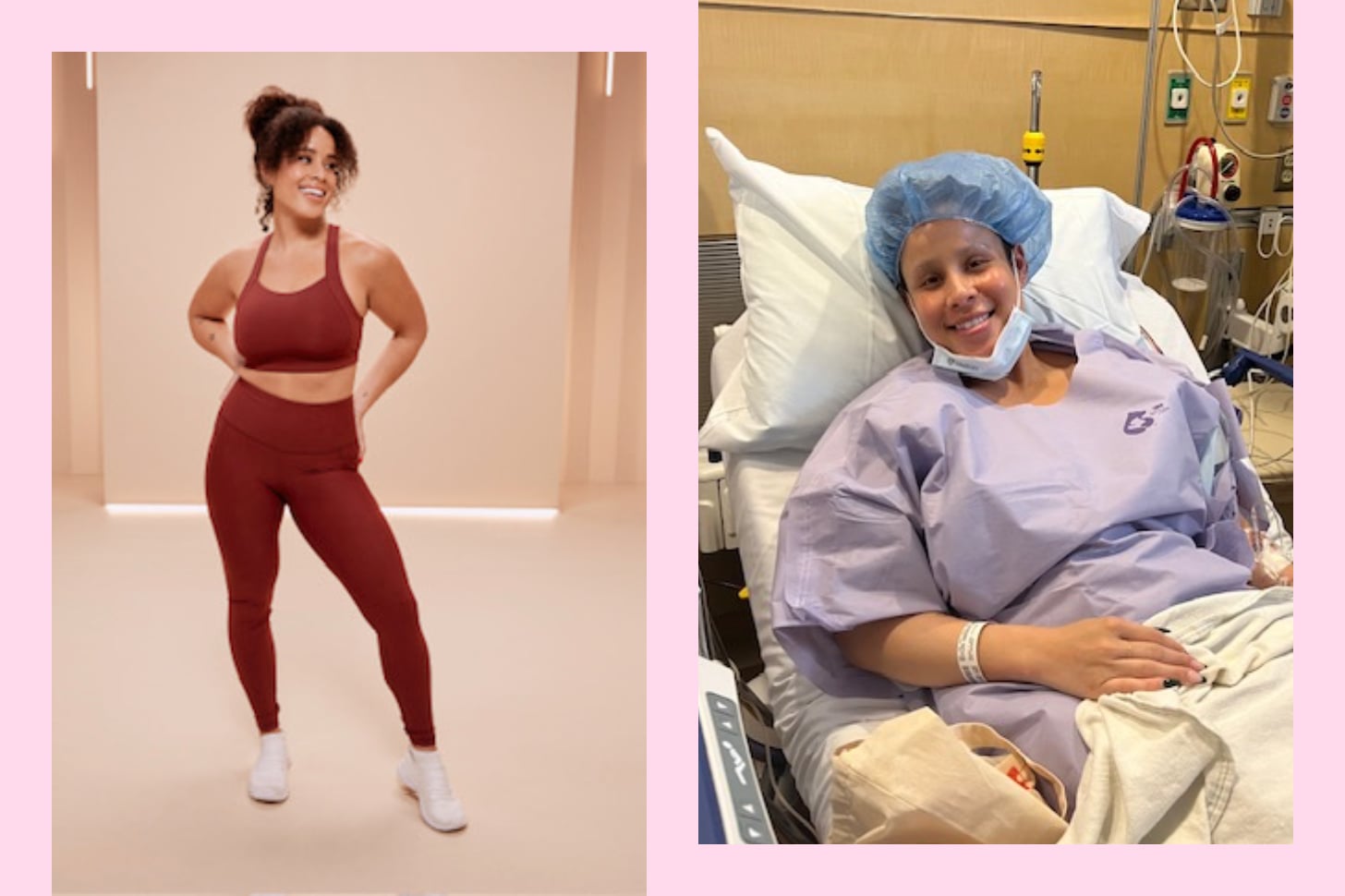
There is no dignity in the way Amanda was told to question her own desire for children, and we will say plainly what the editorial we read from her story makes clear: that the medical system, even when well-intentioned, can be cruelly indifferent to the person it is meant to serve. When her oncologist asked, "But you want to pass your BRCA2 gene down to your children?" he was not merely being tactless; he was deciding, in that moment, that her life's deepest wish was something to be negotiated, as though a cancer diagnosis cancels the right to hope. We think that is unacceptable, and her story, of being 32, single, and suddenly thrown into a fertility timeline she was not ready for, forces readers to ask a quieter, more uncomfortable question: what does it mean to build a family when your body has been rewritten by illness? This is not a story about triumph over adversity in the usual sense. It is about the lonely, bureaucratic, physical work of preserving a future you cannot yet see. We have covered similar terrain before, including the story of Rachel Brem, who spent years finding breast cancer in others before detecting her own, which reminds us that even the most prepared among us can be caught off guard. And there is something about the instinct to keep going, even without a roadmap, that ties Amanda's journey to what we wrote about in What Gardening Taught One Woman About Motherhood That Medicine Couldn’t, both women had to find wisdom outside the clinical setting when the clinical setting failed them.
What strikes us most is not the cancer itself, but the way Amanda describes the sheer logistical chaos of trying to freeze her eggs while facing chemotherapy. The fertility clinic that could not keep her timeline straight, that repeatedly tried to bill her for what California law already covered, that scheduled her egg retrieval the day before her first chemo infusion, these are not minor inconveniences. They are the texture of a system that treats fertility preservation as an elective add-on rather than a fundamental part of cancer care for young women. She had to explain her own diagnosis to the clinic multiple times. She had to research the law herself. She had to find friends in the fertility space to get real answers. That level of self-advocacy is exhausting, and it is worth noting that her advice, to find a clinic experienced with breast cancer patients, to set realistic post-retrieval goals, to build a care team that actually listens, is painfully straightforward. It should not be a revelation. Yet in her telling, it clearly was. The piece we published on A Reporter’s Own Diagnosis Arrived While Covering Another Woman’s Story examined how a diagnosis can reshape professional identity in unexpected ways; here, Amanda's identity as a fitness professional was equally shaken, but what remains is her insistence on making the body matter on her own terms, even when that body is no longer fully hers.
The detail that stays with us is the two-week distended belly, the lack of aftercare guidance, the shock of pumping hormones for egg retrieval and then chemo the next day. That is not a metaphor. It is a specific, physical consequence of a system that moves too fast and cares too little about the aftermath. Amanda responded by creating a support group called Cancer Baddies, a name that refuses tragedy and claims community instead. That is the kind of move that cannot be prescribed, only chosen. And it points to the most concrete takeaway in her story: the gap between what the medical system provides and what a person actually needs is wide enough that patients must often build their own bridges. The question her journey leaves open is not whether she will have children someday, that remains unknown, but how many others will have to navigate this same broken series of steps before the system learns to see the whole person, not just the patient in the bed.