Former Royal Staffer Reflects on the “Only Aspect of Their Life” that King Charles and Family Can Control
Our take
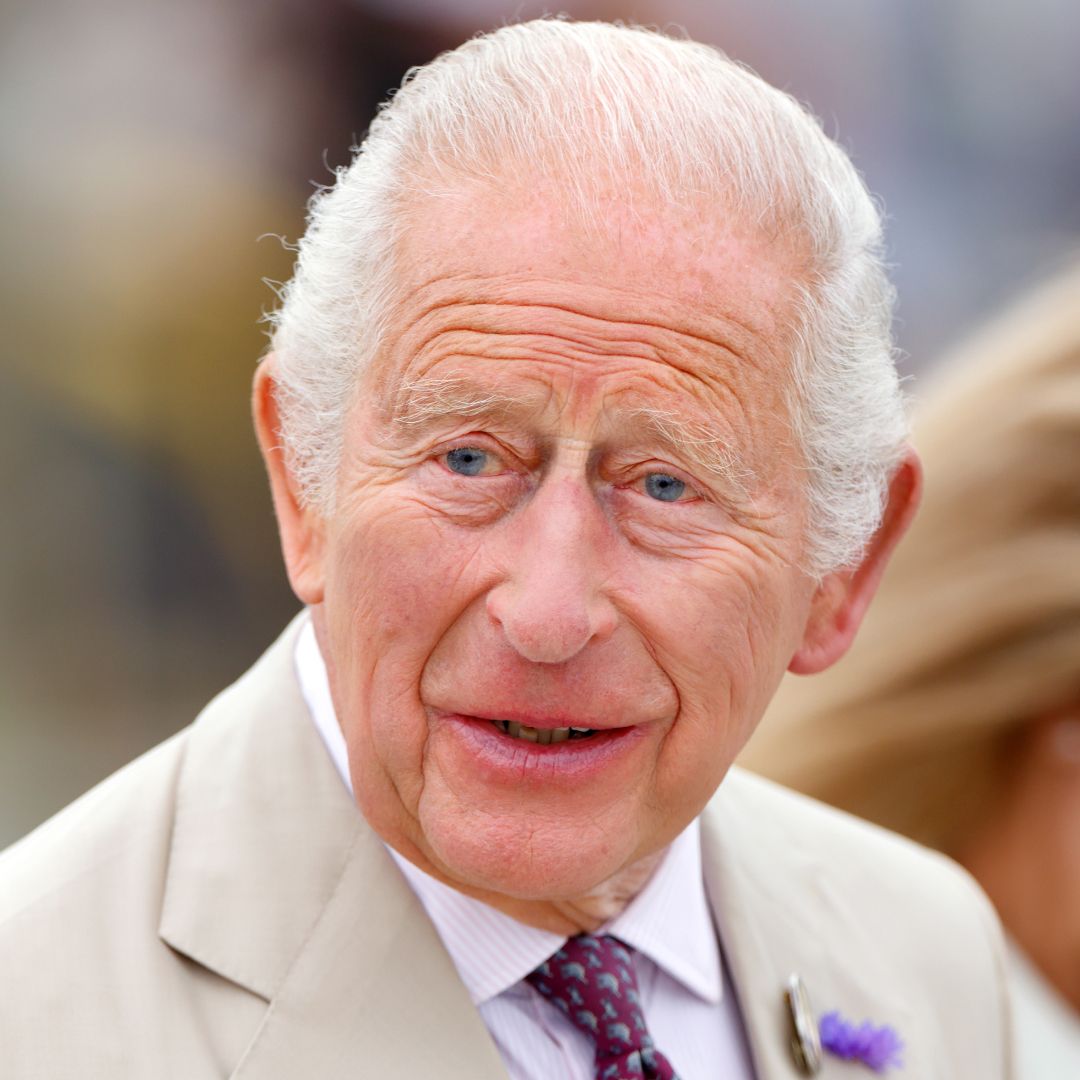
The recent reflections of former Royal Chef Visen Anenden offer a fascinating, if not entirely surprising, glimpse into the tightly controlled world of King Charles and his family. His assertion that food is "the only aspect of their life" over which they retain significant agency speaks volumes about the constraints and rituals inherent in royal existence. It’s a subtle but powerful revelation, underscoring the performative nature of their roles and the meticulous planning that governs even seemingly mundane aspects of their lives. The King's demonstrable interest in sustainability and organic cooking, as detailed by Anenden, aligns with his well-documented environmental advocacy, but also reveals a deeper desire for control – a need to curate even his sustenance in a way that reflects his values and image. This resonates with observations from royal experts like Catherine Mayer, who, in [Exclusive: Royal Author Reveals How Princess Kate's Style Choices Are "Not Really Timeless," but Part of a "Historical Continuum"][/post/exclusive-royal-author-reveals-how-princess-kate-s-style-cho-cmsm3ynym081hmi9zdl7ibkps], highlights how even fashion choices are carefully considered and strategically deployed to convey a specific narrative.
The anecdote highlights a broader theme of royal life as a carefully constructed performance, where spontaneity and individual expression are often sacrificed at the altar of tradition and public image. It’s a world where every detail, from the cut of a suit to the provenance of a meal, is scrutinized and orchestrated. The detail about the King being "very particular" reinforces the understanding that even within the confines of a highly structured environment, individuals seek pockets of agency. Consider, too, the complexities explored in Why Princess Diana's Meeting With Oprah Winfrey "Became a Friendly Tug-of-War," According to Former Butler. Diana's experience, as recounted by her former butler, demonstrates the challenges of navigating the expectations and limitations imposed by royal protocol, even when attempting to assert a degree of personal control. Anenden’s account, though seemingly minor in its focus on food, echoes this larger narrative of navigating a system designed to both uphold tradition and constrain individual autonomy. It's not about denying the existence of genuine personal preferences; rather, it’s about acknowledging that those preferences are invariably filtered through the lens of royal duty.
The significance of this revelation extends beyond mere celebrity gossip. It offers a nuanced perspective on the psychological pressures faced by members of the Royal Family. The need to maintain a flawless public persona, to adhere to centuries-old protocols, and to represent a nation’s history and values can be profoundly isolating. Focusing on food as an area of control, however small, suggests a desire to anchor oneself in something tangible and personally meaningful amidst the swirling currents of public scrutiny and institutional obligation. It speaks to a human need for agency, even in the most seemingly immutable of circumstances. Furthermore, it positions King Charles, in particular, as a figure who actively seeks to project a modern, environmentally conscious image, using his dietary choices as a form of quiet signaling. This aligns with the broader narrative of the monarchy attempting to adapt to contemporary values while preserving its historical significance, a tension explored in Exclusive: An Unexpected Thing "Adds to the Burdens" Princess Kate Experiences as a Woman in the Royal Family, According to One Biographer.
Looking ahead, it will be interesting to observe how the Royal Family continues to navigate the evolving expectations of the public and the pressures of maintaining relevance in a rapidly changing world. Will future revelations from former staff offer further insights into the subtle power dynamics and personal sacrifices that underpin royal life? Or will the institution further tighten its grip on information, seeking to control the narrative even more meticulously? The seemingly small detail of a King’s culinary preferences ultimately reveals a much larger story about control, identity, and the enduring complexities of navigating a life lived perpetually in the public eye.
Visen Anenden served as head chef to King Charles for nearly a decade, and he said that during his “phenomenal” role, he learned “a good lesson” about sustainability and organic cooking. Anenden, who shared that The King is “extremely interested in what he eats,” revealed that for the royals, food was one area where they could always call the shots.
Speaking on behalf of Heart Bingo, the former royal chef said that King Charles is “a real foodie.”
“He’s very seasonal, and everything comes from the estate,” Anenden continued, adding that The King “always wants to know where something has come from, so menus were very particular.” When the royals stay at Balmoral, for example, they would eat a different style of food than at Highgrove, where “it would be what you could source from the garden.”
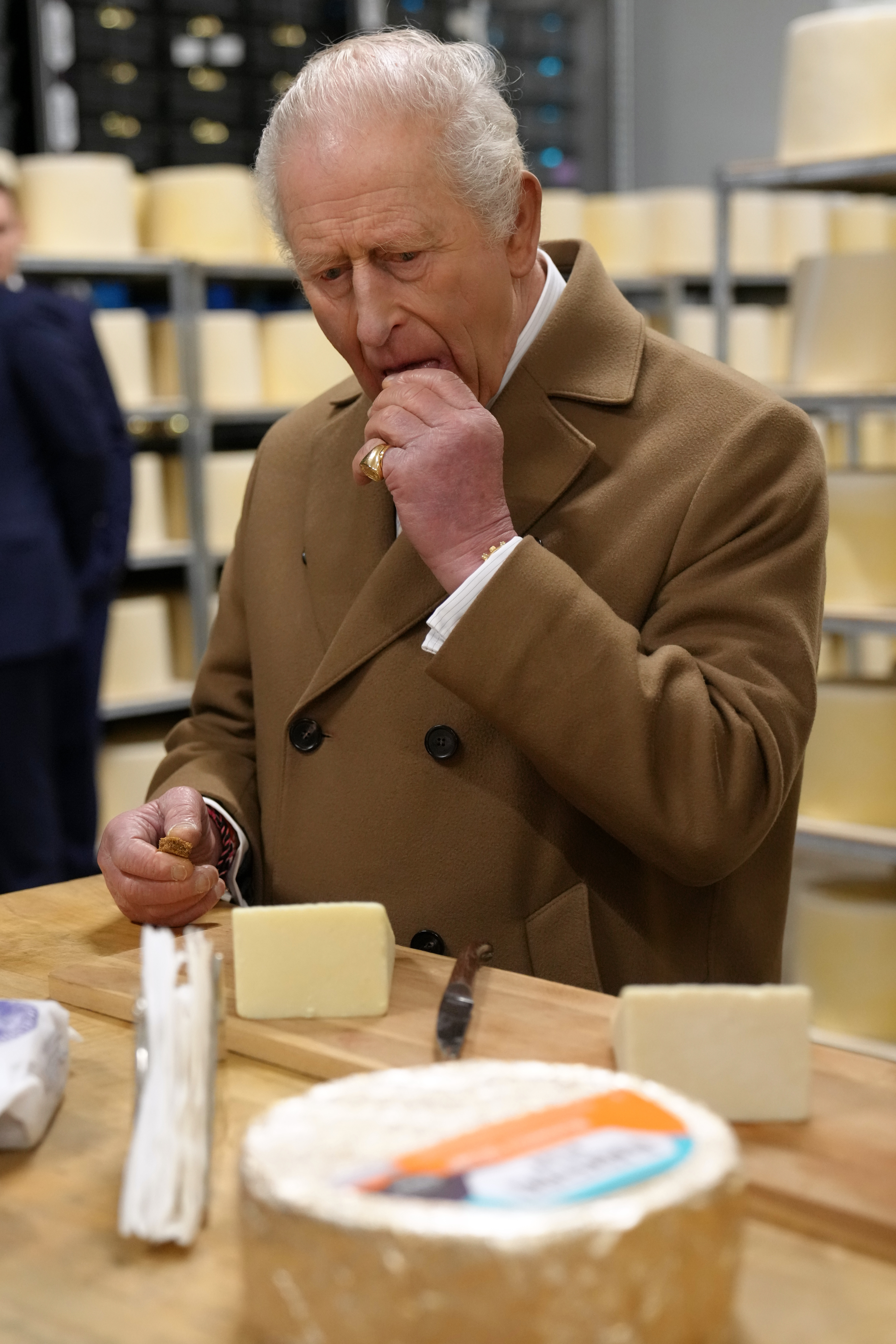
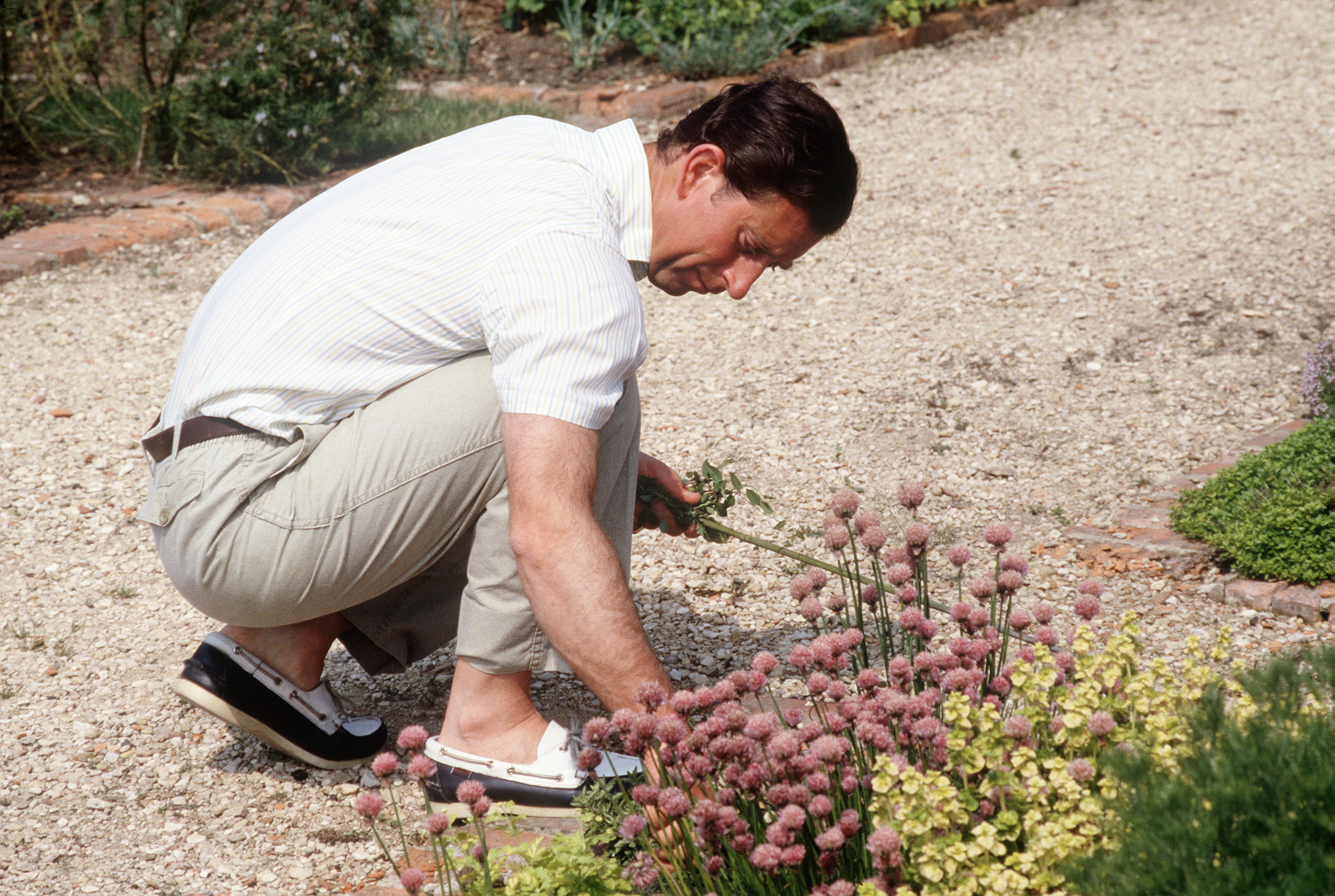
“You really learn how the farm-to-fork aspect works, and it’s a phenomenal lesson for a chef,” Anenden added of The King’s penchant for fresh, local food.
The former royal chef revealed that despite having access to a bountiful supply of foods, The King and Queen Camilla both show restraint with their eating. “The thing with the royals is that they don’t eat a lot,” he shared. “It was always small portions. It’s never substantial, loaded plates at all, never.”
When asked why he thought that was the case, Anenden mused that it had to do with “control.”
“They’re very conscious of their diet,” he said. “It isn’t just them, but also lots of private households I’ve worked for—they all eat small portions. It can be to do with control. People like King Charles, because they have control over the food, that’s the only aspect of their life that they can control.”
Read on the original site
Open the publisher's page for the full experience