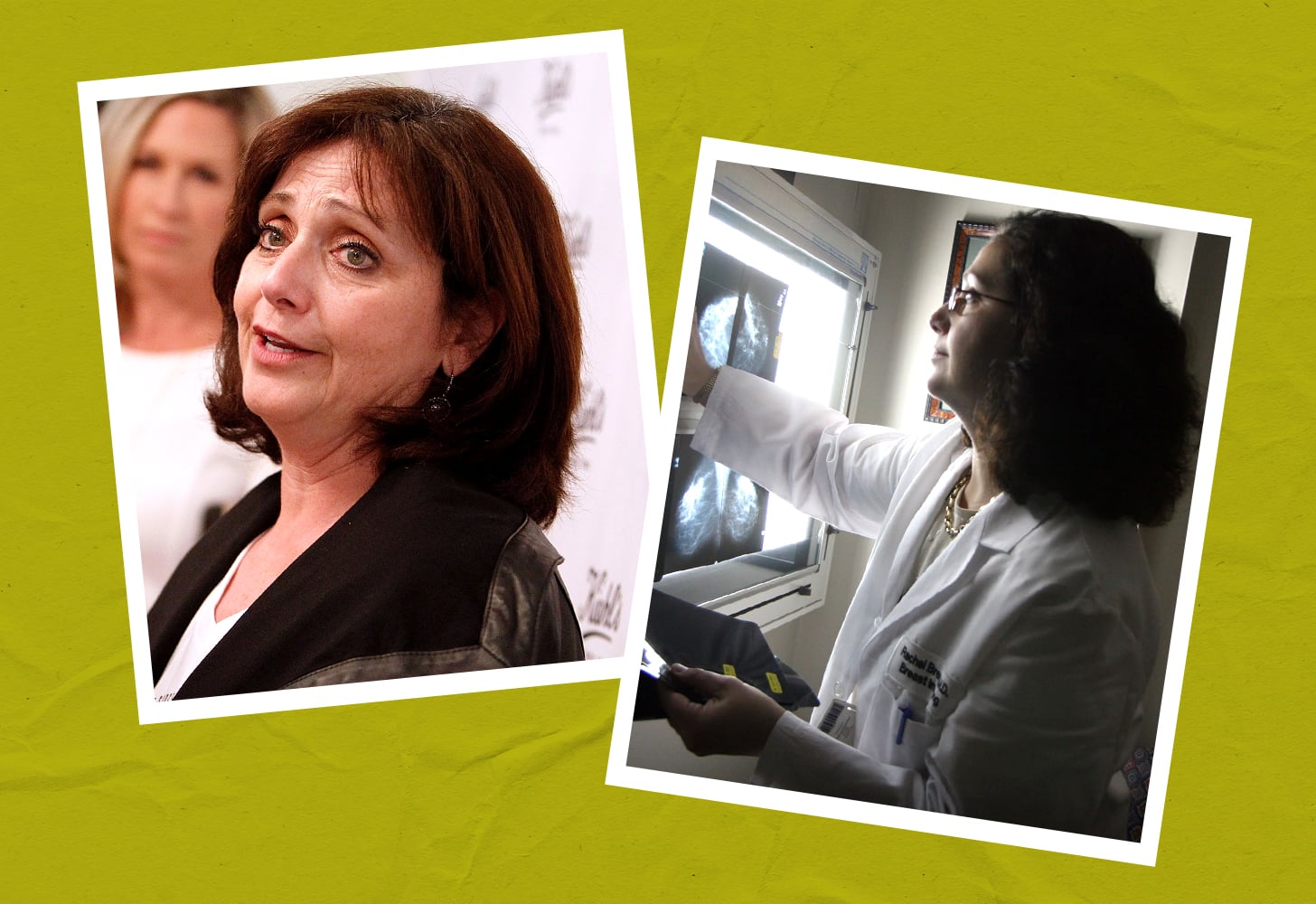
There is a particular kind of quiet terror in knowing too much. Dr. Rachel Brem spent her career hunting breast cancer in other women's bodies, building the very technologies meant to catch it early, only to find it in her own while testing ultrasound equipment on herself one evening after work. She had already planned her prophylactic mastectomy. She had already tested positive for the BRCA gene. She had already watched her mother survive a six-month death sentence. And still, cancer arrived on its own timeline. This story is not about a doctor who outsmarted the disease through sheer expertise. It is about a woman who understood that knowledge does not grant immunity, but it does grant a different kind of power. A Reporter's Own Diagnosis Arrived While Covering Another Woman's Story captures a similar collision between professional duty and personal vulnerability, but Dr. Brem's case is distinct in its chilling precision: she found the cancer herself, with her own hands, on equipment she was evaluating for purchase.
What makes Dr. Brem's story resonate beyond the medical community is the quiet, unglamorous truth she arrived at: early detection is the closest thing we have to a cure. Not a breakthrough drug. Not a miracle trial. A mammogram. An ultrasound. A ride to an appointment. She has spent the years since her diagnosis building the infrastructure to make that access real for women who do not have her advantages, founding the Brem Foundation, launching CheckMate to help women interpret their own risk, and partnering with Lyft to provide free rides to mammograms for low-income women. The Quiet Evolution of Breast Health in a New Era of Awareness explores the broader shift toward earlier intervention, but Dr. Brem's work is pointedly practical. She is not waiting for a cultural shift. She is building the logistics.
Dr. Brem's personal takeaway is one we should all sit with: she broke the trauma even though she could not break the diagnosis. Her daughters grew up with breast cancer as dinner-table conversation, not as a sudden, shattering secret. That is a specific kind of legacy, one that does not pretend the threat does not exist, but refuses to let it own the narrative. For readers who carry their own family histories or their own anxieties, the practical consequence is this: know your risk factors, take the quiz, schedule the appointment. The system Dr. Brem is building is designed for women who do not have her medical training, but it still requires the first step. The question her story leaves open is not whether early detection works, she has proven it does, but whether we will choose to act before we are forced to.