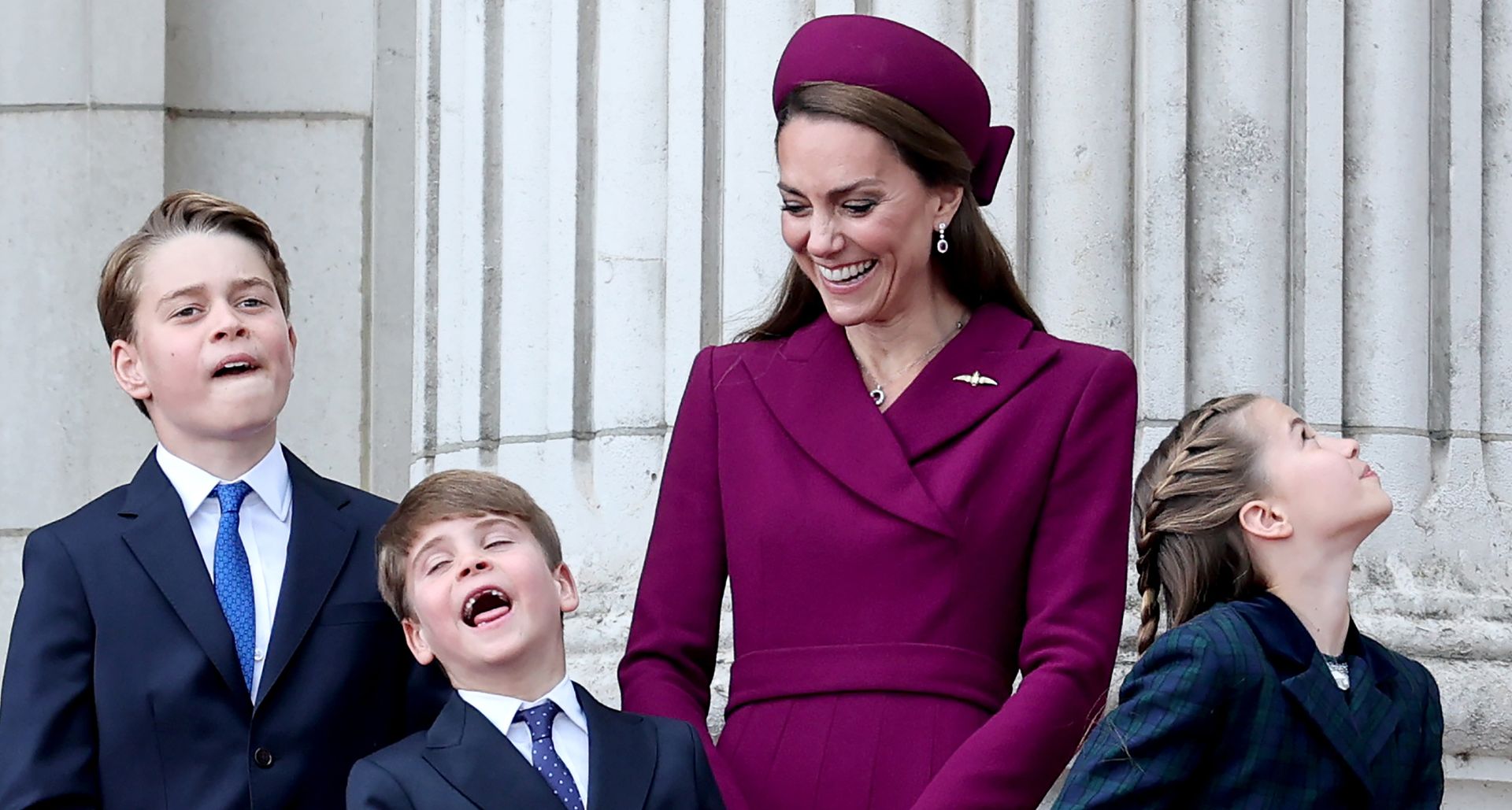
There is something quietly radical about a future queen telling the world that her most intentional parenting tool is not a schedule, a discipline, or an achievement, but the simple permission to pause. The Princess of Wales, in her conversation with Robert Macfarlane for *Country Life*, offers a view of childhood that feels almost subversive in its stillness. She wants her children to notice the changing light through the trees, the sound of water, the joy of crunching leaves. Not to perform. Not to produce. Just to be present. This is not a story about royal protocol or public duty; it is a story about the quiet ritual of paying attention, and why it matters more than ever for a generation raised on screens. For those of us who have followed the Princess's work on early childhood development, this is the natural culmination of her public advocacy, brought home, literally, to her own three children. It also echoes the kind of reflective, intentional living we have explored in pieces like Escaping Into the Wild Stillness of Nature, where the act of stepping outside becomes an act of returning to oneself.
What strikes us most is not the sentiment itself, many parents speak of wanting their children to love nature, but the deliberate restraint in her approach. Kate does not prescribe a curriculum of outdoor activities or a list of teachable moments. She offers something rarer: the freedom to explore without being told what to see or what to think. "We are often so busy we simply forget to pause, slow down and notice the detail in life," she shares. That line lands with particular weight coming from someone whose life is, by any measure, relentlessly scheduled. She is essentially modelling the very thing she wants for her children: the courage to be still. This is not a luxury of time; it is a luxury of attention. And it is a choice. In a world that rewards constant output, she is quietly championing the value of empty space, the kind of space where curiosity, imagination, and creativity can surface on their own terms. It is the same ethos we admired in Royal Companions: Prince William on Life With Orla and Otto, where the Prince of Wales grounds his own daily rhythm in the simple, unforced companionship of his dogs. There, too, the message is not about doing more, but about being present.
The Princess's own memory of childhood, playing in streams, blackberry picking, digging under a laurel bush for what she thought was treasure, is a reminder that the most formative experiences are often the least curated. She is not advocating for wilderness expeditions; she is advocating for the ordinary. And that is precisely why her words resonate beyond the royal sphere. For parents navigating a generation that is "more online and connected to tech than ever," her insight is both an invitation and a quiet challenge. The skills she names, curiosity, imagination, creativity, are not the ones measured in a classroom or on a screen. They are the ones cultivated in unstructured hours, in the margins of the day, in moments when a child is simply left to notice. Her question to us is not how to fill that time, but how to protect it. The specific takeaway here is direct: the most powerful thing you can give a child is not an experience, but the space to have one of their own. In an age of constant direction, the Princess of Wales is reminding us that sometimes the most intentional act is to step back.