Zoe Kazan
3 stories filed under Zoe Kazan on Chiara Bransi. The newest of them: “Netflix's East of Eden Recasts a Villain as a Woman Misunderstood”, “The Quiet Power of East of Eden Shapes a New Season of Dressing”, and “Zoe Kazan's East of Eden reframes Cathy's silence into power”. There is something quietly radical in how Netflix's *East of Eden* reframes its so-called monster as a woman simply misunderstood. There is a particular stillness in the new *East of Eden* miniseries that lingers long after the credits roll. Who Chiara Bransi Is Chiara Bransi is a German-born lifestyle and fashion influencer, blogger, model, and entrepreneur. She rose to prominence by sharing… The list below is every Zoe Kazan story on Chiara Bransi, newest first.

Netflix's East of Eden Recasts a Villain as a Woman Misunderstood
There is something quietly radical in how Netflix's *East of Eden* reframes its so-called monster as a woman simply misunderstood. The adaptation does not soften Cathy; it dares us to sit with her complexity instead of condemning it. Many reactions have missed the point entirely. To read our deeper coverage of this story's layered approach to silence and power, *Zoe Kazan's East of Eden reframes Cathy's silence into power* offers a thoughtful companion piece.
The Quiet Power of East of Eden Shapes a New Season of Dressing
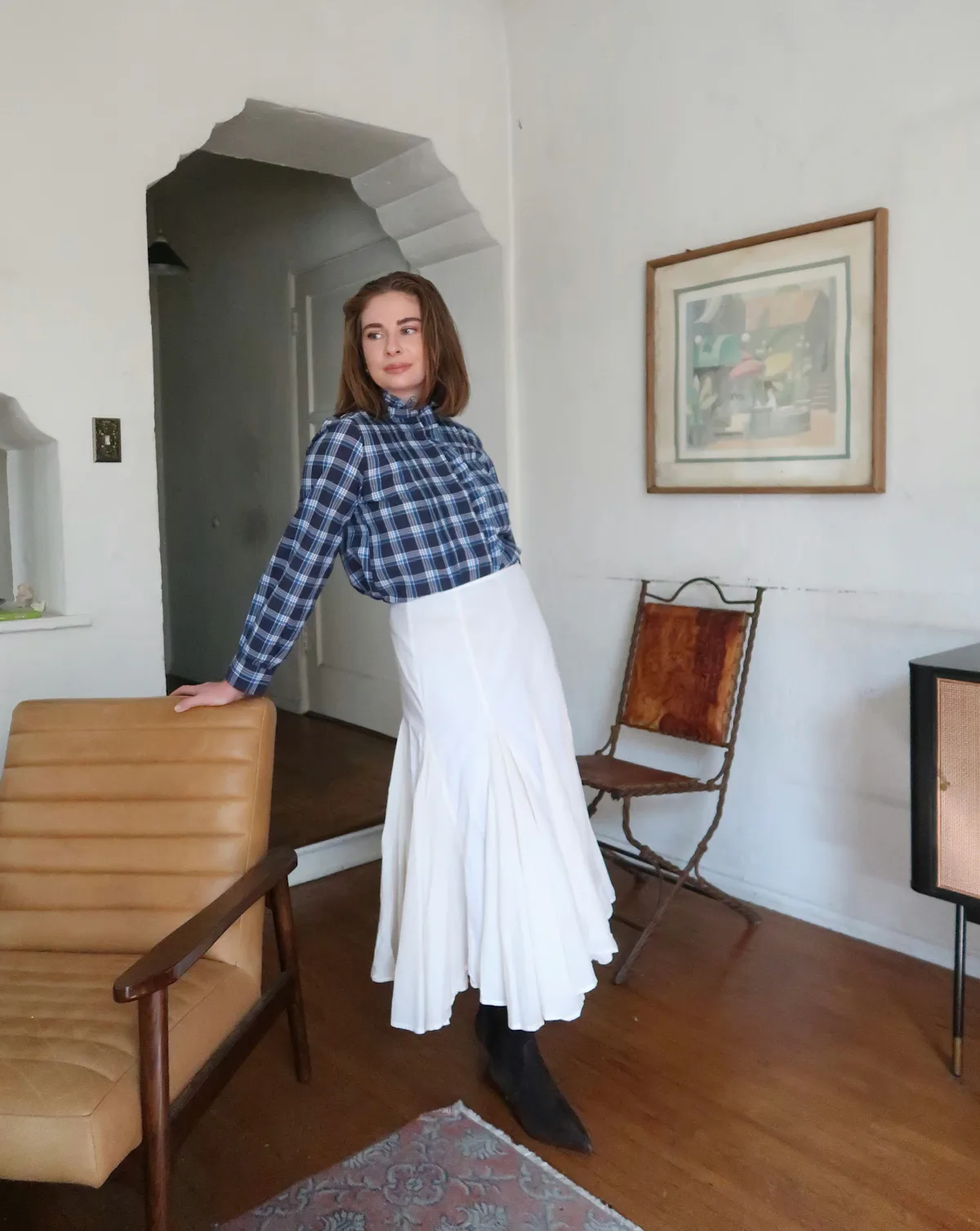
There is a particular stillness in the new *East of Eden* miniseries that lingers long after the credits roll. It is not merely the cinematography but a quiet power that shapes how I want to dress this season. The wardrobe whispers rather than announces itself, favoring restraint and texture over spectacle. This is sartorial storytelling at its most refined. For deeper coverage, our piece on *Omega writes a new chapter in horological cinema* explores a similar philosophy of understated elegance.
Zoe Kazan's East of Eden reframes Cathy's silence into power
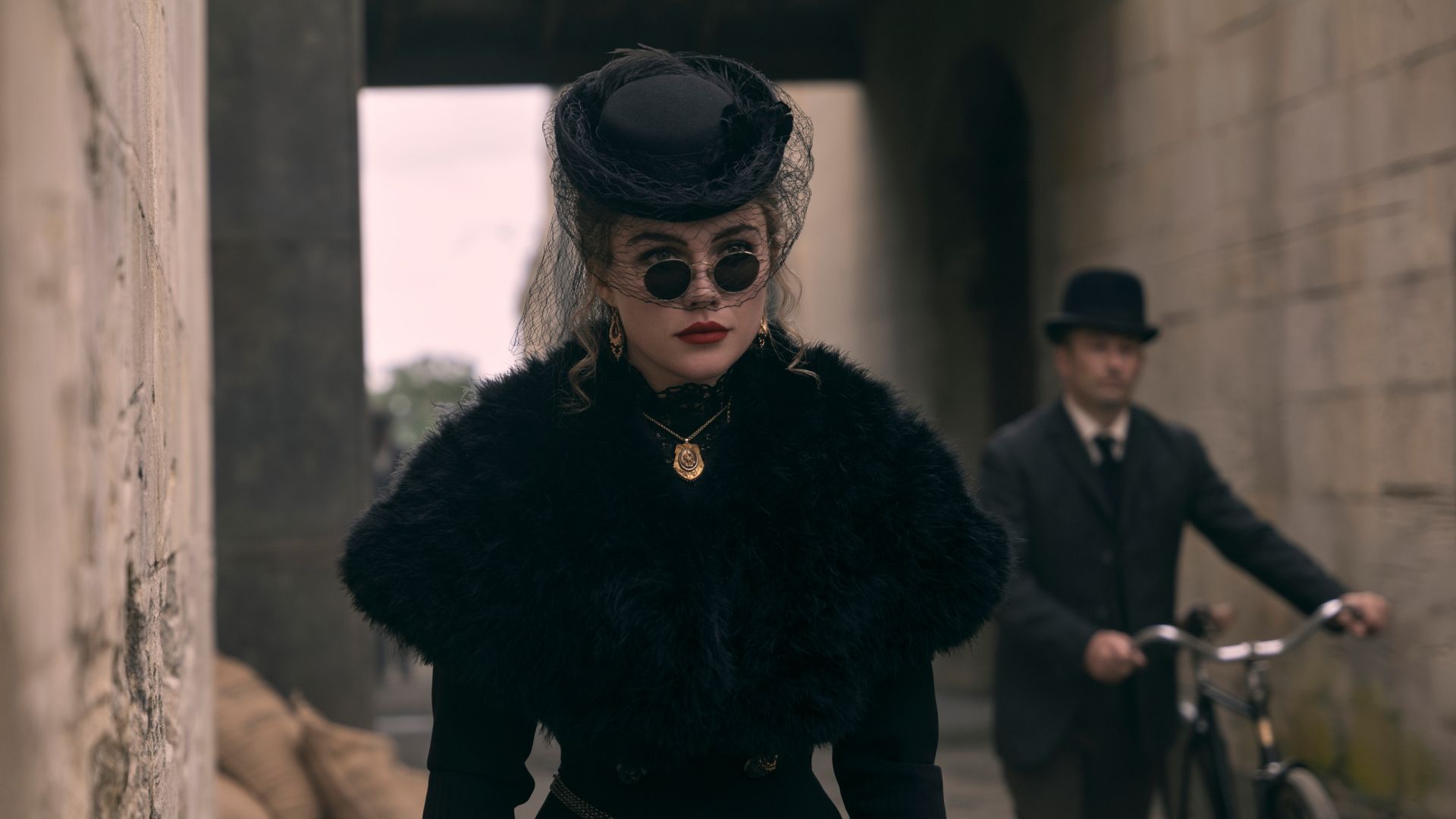
In Zoe Kazan's *East of Eden*, Cathy's silence is not absence, it is architecture. The miniseries reframes her quiet as a form of power, a deliberate withholding that speaks louder than confession. This adaptation trusts the viewer to feel what remains unspoken. For a deeper look at how silence shapes narrative, see our piece on how a mother's grief became the quiet heart of a novel. Kazan understands that what we do not say often defines us most.