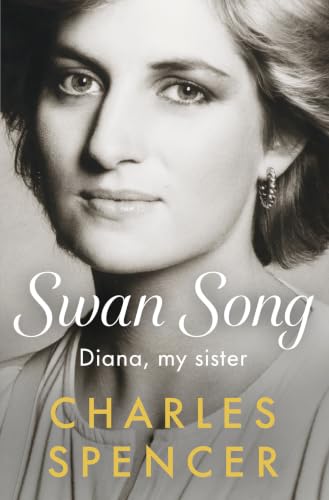
There is something quietly revealing about Charles Spencer's recent reflection on Raine Spencer. In a new interview, he describes his father's second wife as "a classic unfortunate stepmother," a label that carries more weight than its brevity suggests. We have long held that the stories we tell about family are rarely about the people themselves and almost always about the wounds we carry into those relationships. Spencer's words are honest, but they also remind us that perception is never the full truth. Diana herself proved that. In her later years, the princess built a curious friendship with the very woman her brother still sees through a fractured lens.
That complexity is worth sitting with. Diana's ability to revisit her own judgments and form an unexpected bond with Raine Spencer speaks to something we often forget: people are not static characters in our lives. They change. We change. The late princess's quiet Chicago moment in 1996, where she shared a "really lovely" conversation on motherhood at a charity lunch, echoes this same emotional maturity, the willingness to meet someone where they are, not where history left them. And as Charles Spencer On the Quiet Weight of Royal Legacy makes clear, the weight of that legacy continues to shape how he processes the past. There is no shame in that. But there is a difference between honoring one's experience and letting it become the final word.
What strikes us most is the quiet authority in Diana's later choice. She did not announce her shift in feeling toward Raine. She simply lived it. That is the kind of self-assurance that does not need to explain itself, it simply acts. For our readers, the takeaway is specific and practical: reconciliation does not require public performance. A Palace in Motion: Charles Supports a New Tribute to Diana's Legacy reminds us that even institutions once marked by tension can move toward grace. If a royal family can quietly shift, so can we.
The question Spencer leaves us with is not whether Raine Spencer deserved a better reputation. It is whether we are brave enough to revise our own narratives when the people we once resented become something else entirely. Diana was. That may be the most understated lesson she left behind.